While living as a digital nomad with absolutely zero money is unrealistic, you can start with minimal funds through strategic approaches.
Combining geo-arbitrage—living in low-cost countries—with quick freelance gigs on platforms like Fiverr can help you build a sustainable foundation. Additionally, employing free accommodation strategies like house-sitting can further reduce your expenses.
You’ll need some financial cushion; around $1,000 is ideal for a smoother transition. Emotional resilience is also crucial, but the nomadic lifestyle becomes surprisingly accessible once you master these resourceful techniques.
Key Takeaways
- Leverage geo-arbitrage by earning in USD or EUR while living in affordable regions like Southeast Asia. This strategy can help stretch your finances significantly.
- Start earning right away through freelance microgigs on platforms like Fiverr. You can utilize your existing skills without needing certifications.
- Cut costs by employing free accommodation strategies. Consider house sitting, couch surfing, or work exchanges to save on living expenses.
- It’s wise to maintain a “panic fund” of at least one month’s expenses for emergencies. Additionally, focus on developing multiple income streams.
- Embrace radical minimalism to lower your expenses. Prepare meals at home, shop at local markets, and adopt a slow travel approach.
The Brutal Truth About Zero-Budget Nomadism

While many Instagram influencers paint a glossy picture of digital nomad life, I need to be straight with you: attempting to travel with zero budget isn’t just difficult—it’s practically impossible.
The reality involves sacrificing comfort and embracing uncertainty daily. Even with creative hustling, skill swapping, and barter systems, you’ll need some financial cushion.
I’ve survived lean months through local networking and community support. However, it required extreme resource sharing and a minimalist mindset.
What nobody mentions? The emotional resilience required. When you’re down to your last dollar in a foreign country, those pretty sunset photos don’t capture the genuine stress behind the scenes. In fact, regular outreach to friends and fellow nomads can be essential for maintaining mental wellbeing during tough times.
Geo-Arbitrage: Stretching Pennies Across Borders
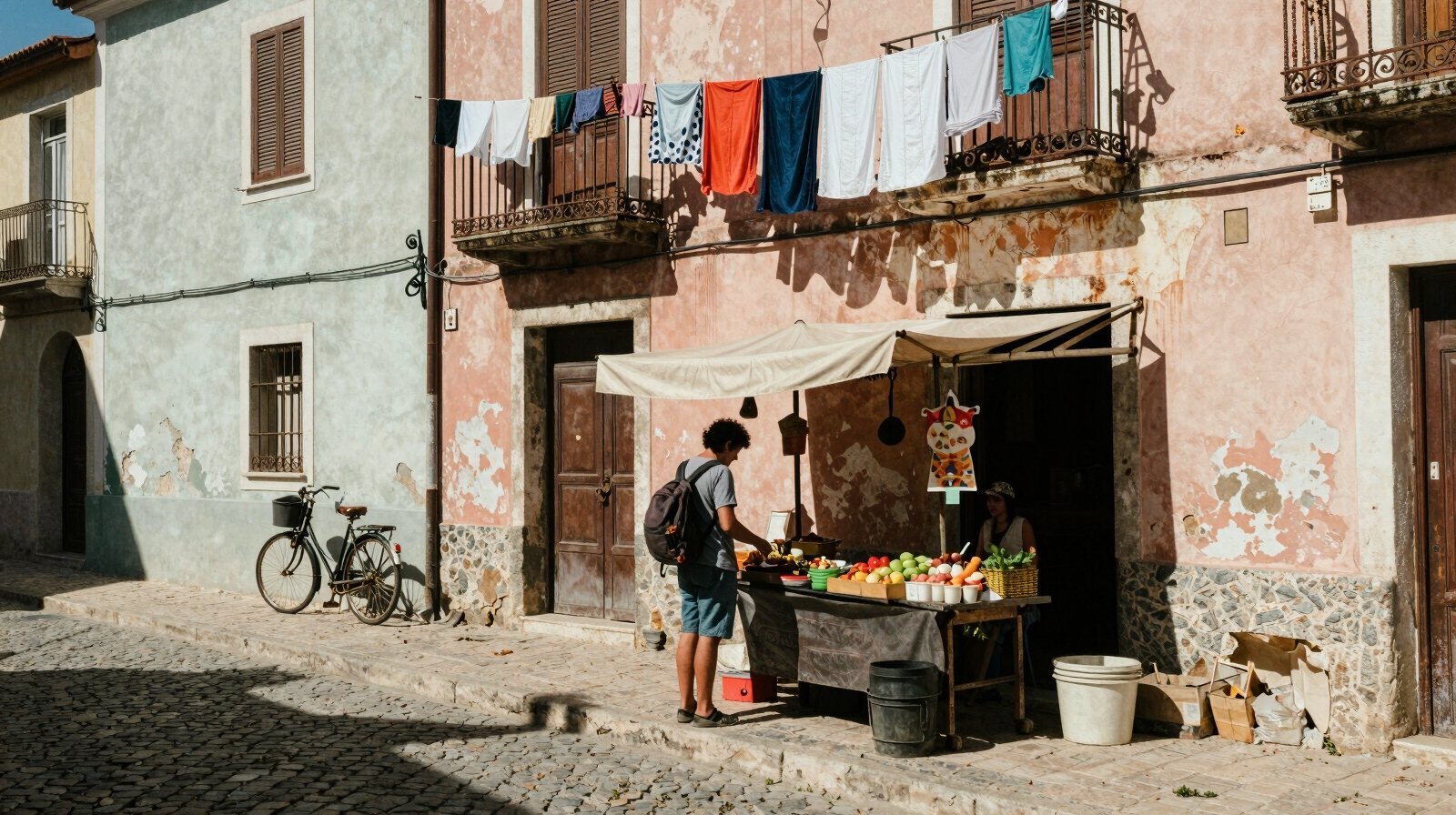
I’ve mastered geo-arbitrage by strategically moving between countries where my dollars stretch further than they do back home.
My earnings from freelance writing jobs in USD or EUR have funded months in Southeast Asia and Eastern Europe.
I rotate between budget-friendly destinations before costs catch up.
You don’t need a trust fund to live this lifestyle—just the knowledge of which borders to cross when your bank account starts dwindling. Affordable neighborhoods in places like Hawaii can provide options for maintaining a low cost of living while enjoying a beautiful environment.
Strategic Currency Leverage
Once you grasp the concept of geo-arbitrage, your digital nomad lifestyle can truly thrive, even with a limited budget.
Strategic currency leverage elevates your financial planning, enabling you to make the most of every dollar.
I’ve discovered three crucial currency exchange tips that significantly enhanced my nomadic finances:
- Open multiple bank accounts in different currencies to minimize conversion fees.
- Utilize apps like Wise or Revolut for near-market exchange rates when transferring funds.
- Time your larger purchases or transfers to coincide with favorable exchange rates for your home currency.
This strategy has transformed my financial flexibility and allowed me to extend my stays in affordable destinations.
Budget-Friendly Destination Rotation
After mastering currency exchange strategies, the next step in sustainable nomad living is to focus on strategic destination selection.
I’ve discovered that rotating between affordable destinations can significantly stretch your budget.
I typically spend 2-3 months in low-cost countries like Vietnam or Georgia, where my dollar stretches further. Then, I make brief visits to mid-tier locations. This rotation not only prevents visa issues but also maximizes my savings.
Here are my top budget travel tips: always research local living costs before booking flights. Choose accommodations that come with kitchens, and identify free workspaces in advance.
Quick-Start Income Strategies With Just a Laptop
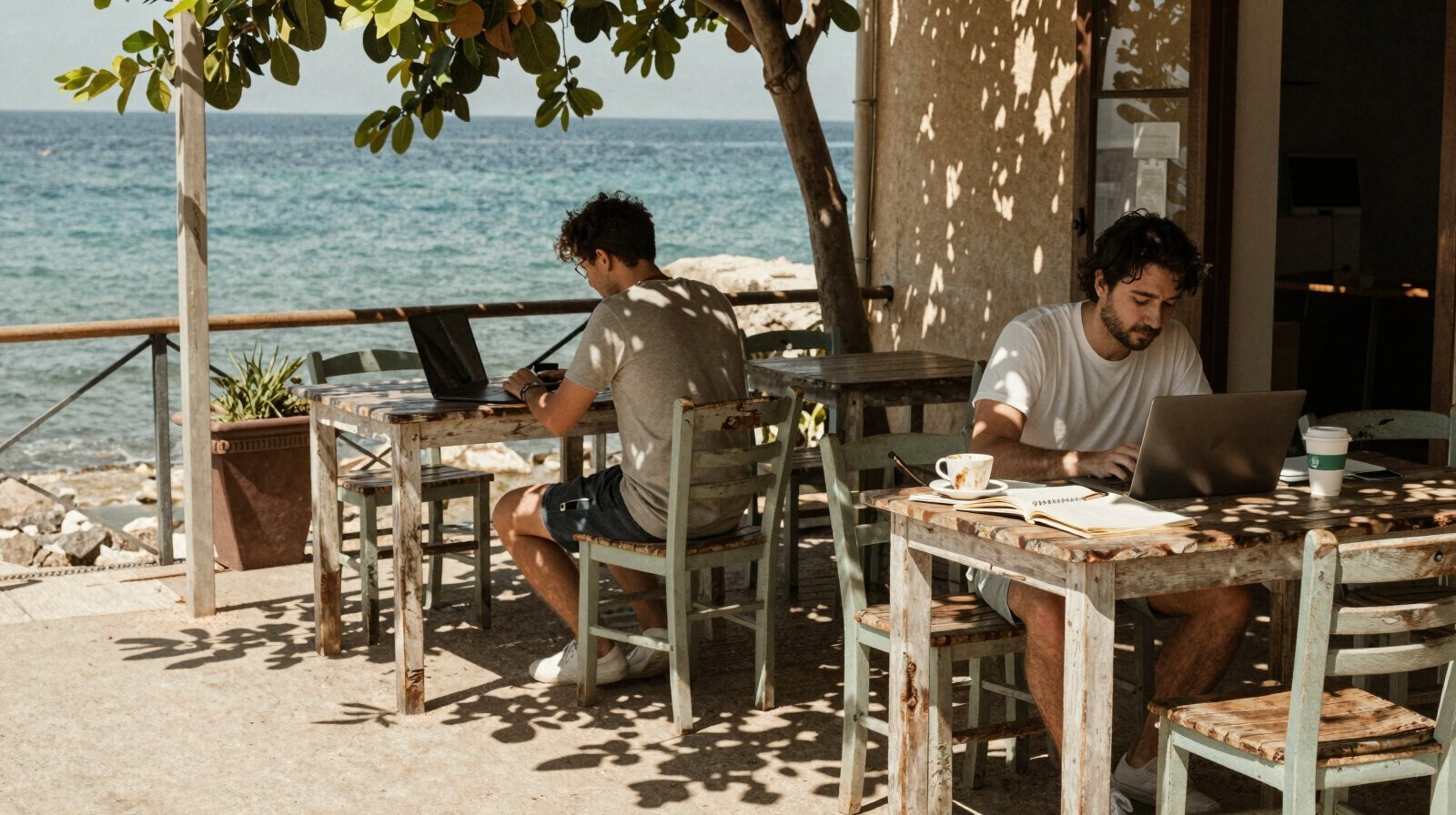
When I first ran out of cash in Chiang Mai, I turned to freelance microgigs on platforms like Fiverr and Upwork. These platforms allowed me to leverage my existing skills without spending any money.
You don’t need fancy certifications to start earning. Whether it’s proofreading documents, creating simple graphics, or managing social media accounts, the key is to identify what you can do right now with zero investment.
I’ve seen fellow nomads go from broke to booking clients within 48 hours. They achieved this using nothing but free WiFi and the skills they already possessed. Additionally, task batching helps streamline your workflow, allowing you to complete more projects efficiently in less time.
Freelance Microgigs Now
Three quick-start microgigs transformed my digital nomad journey when my bank account hit rock bottom. I discovered that freelance platforms offer immediate opportunities requiring minimal experience—perfect for quick cash while building your portfolio.
The gig economy’s entry-level tasks can fund your first month abroad. For instance, data entry is a common task where many companies need information transferred between systems. While it may be boring, it provides steady income.
Another option is content moderation, where you review social media posts for violations. This gig comes with flexible hours and consistent work, making it a great choice for digital nomads.
Transcription is also a viable microgig. You can convert audio to text, starting with general transcripts before specializing in legal or medical fields.
Don’t overlook these stepping stones. They funded my first three destinations before I landed higher-paying work.
Leverage Skills Immediately
Identifying your marketable skills is the fastest path to digital nomad income—even when starting with zero dollars.
I’ve traded website design for accommodation and bartered copywriting for coworking access countless times.
Start by listing everything you know. Then, monetize through online marketplaces like Fiverr or local networking in digital nomad hubs.
You can create simple digital products from your expertise or host skill workshops via Zoom.
Community collaborations often lead to paid opportunities. I’ve secured clients through Facebook groups and coworking events.
Freelance platforms connect you globally, while trade skills exchanges build valuable relationships.
Don’t overlook mentorship opportunities. Sometimes teaching others creates unexpected income streams.
Zero-Investment Income Options
Many aspiring nomads think they need a lot of startup capital. However, I’ve found numerous legitimate income streams that only require a laptop and an internet connection.
The beauty of digital nomad life lies in turning skills into immediate cash flow without any upfront investment.
Consider these zero-cost options:
- Use community resources like free coworking days and library WiFi to build your client base.
- Start content writing on platforms that pay weekly with minimal portfolio requirements.
- Think about bartering services with fellow travelers or local businesses—trade website help for accommodation.
When cash is tight, your creativity becomes your greatest asset.
The digital economy rewards problem-solvers, not just those with large budgets.
Radical Cost-Cutting Tactics for Long-Term Travel

When I first embarked on my nomadic journey, I quickly realized that traditional cost-cutting advice wouldn’t suffice for the long term. I needed radical tactics to stretch every dollar and make my travels sustainable.
Adopting a minimalist lifestyle became essential—not just for philosophical reasons, but for financial survival. I developed a barter system that allows me to trade skills for accommodation and other necessities.
Here are some tactics I’ve implemented:
| Tactic | Savings | Sustainability |
|---|---|---|
| House sitting | 100% housing | High commitment |
| Skill exchange | 70% food costs | Requires portfolio |
| Slow travel | 60% transport | Less burnout |
| Digital detox | 40% expenses | Boosts productivity |
These strategies are not merely temporary fixes. They represent foundational shifts that enable long-term nomadic living with minimal cash flow.
Navigating the Inevitable Financial Emergencies
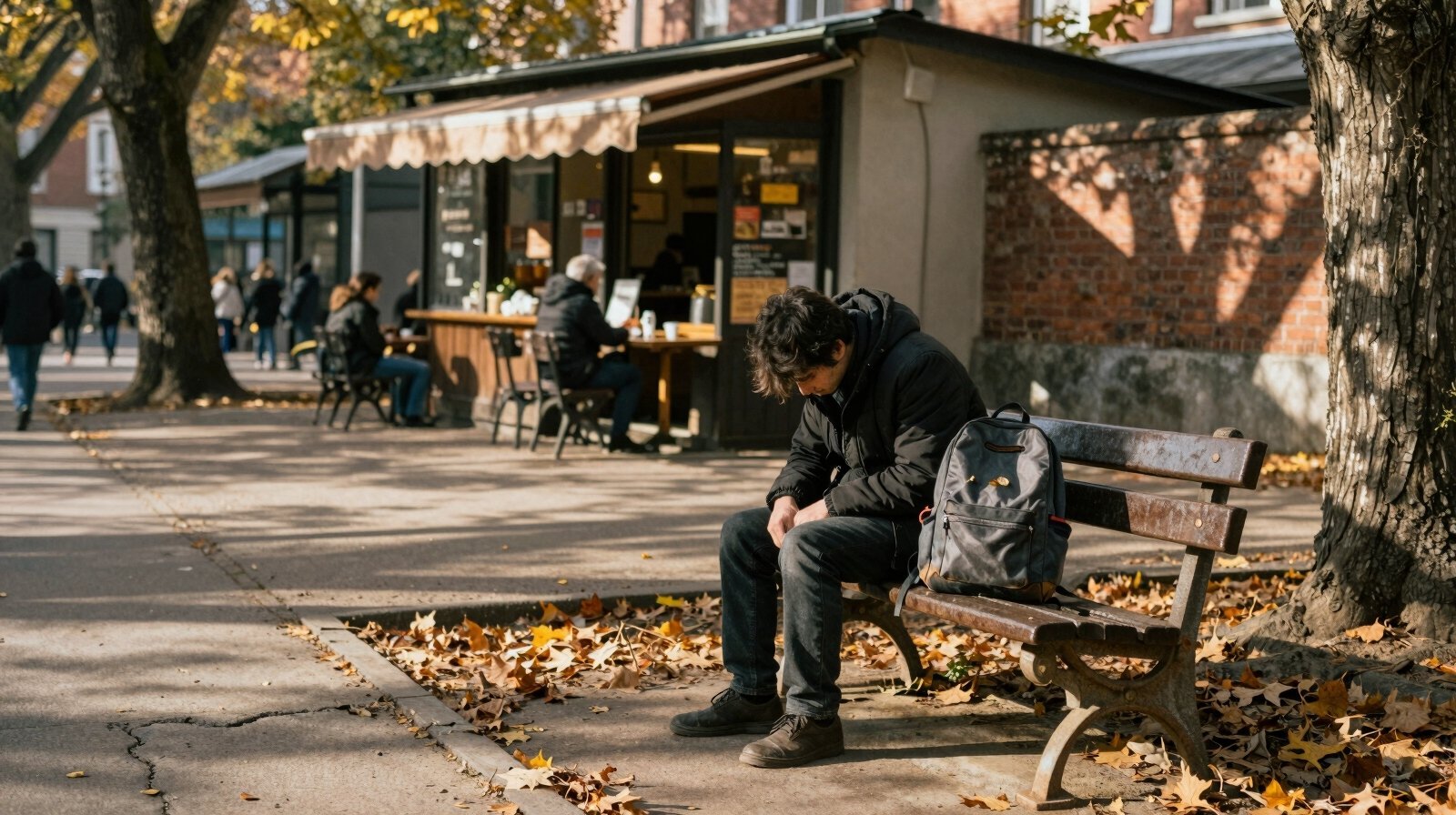
Despite my best cost-cutting efforts, financial emergencies have blindsided me multiple times during my nomadic journey.
Emergency budgeting isn’t just theory—it’s survival. I’ve learned to maintain a dedicated “panic fund” equal to at least one month’s essential expenses.
When emergencies strike, I immediately cut all non-essential spending. I also extend my stays to avoid transportation costs. This helps me save money in critical situations.
I tap into my network for last-minute gigs like content writing or website troubleshooting.
Selling unused gear or offering quick skills workshops to fellow travelers has also proven effective. These strategies help me navigate through financial challenges.
Building Sustainability Beyond the Honeymoon Phase
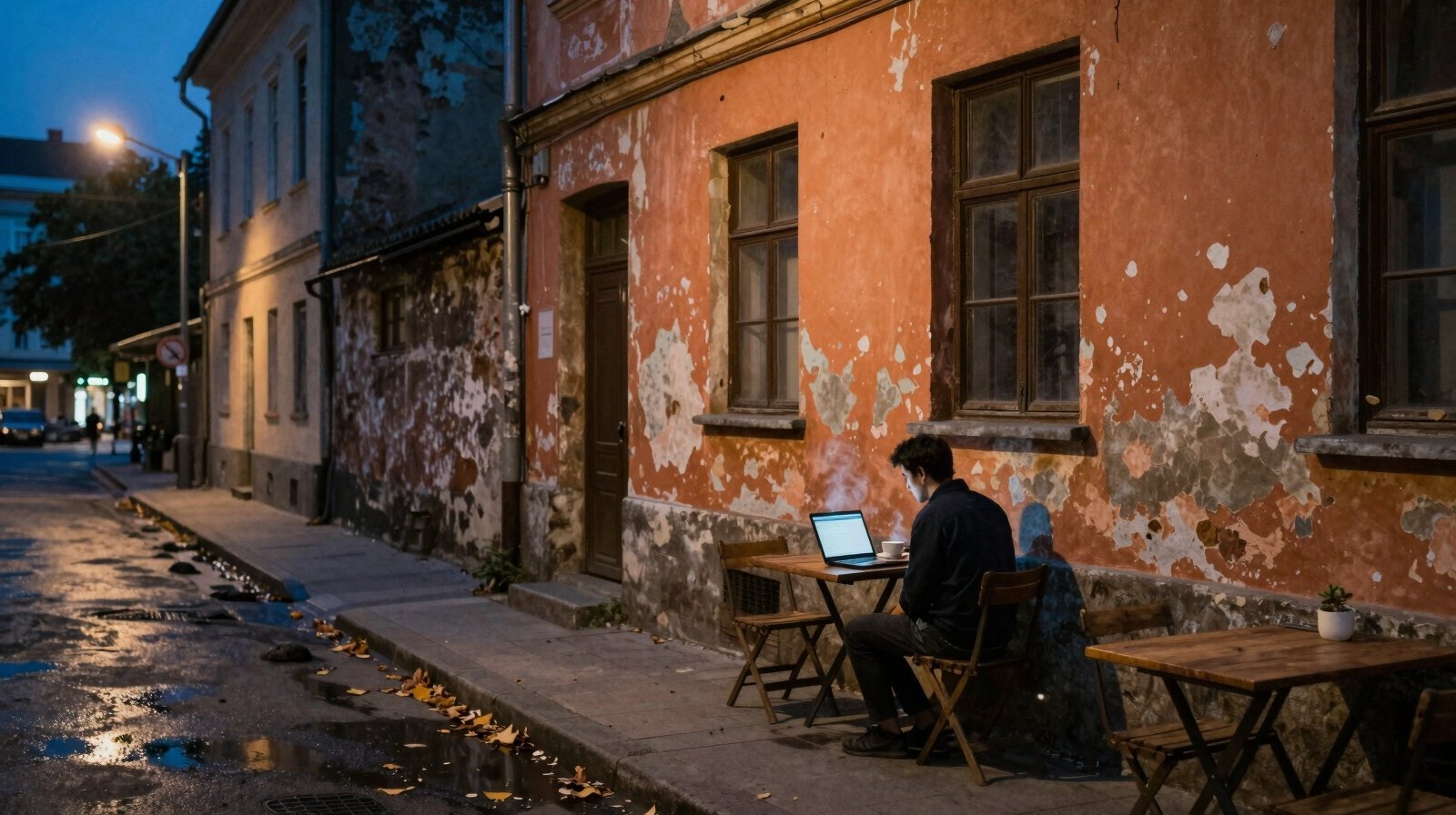
After the excitement of those first six months fades, many digital nomads face a harsh reality. Maintaining this lifestyle requires more than just surviving on ramen and free hostel Wi-Fi.
I’ve learned that sustainable living means developing multiple income streams instead of depleting savings. It’s essential to find local markets rather than tourist traps. Cooking meals at home is often a better option than eating out daily.
Community support becomes your lifeline. I’ve exchanged skills with fellow nomads—offering website help for language lessons, and trading photography tips for cooking advice.
These connections provide both emotional and practical stability. The nomad life isn’t about perpetual vacation. It’s about creating a workable, balanced existence wherever you land.
Frequently Asked Questions

Let me address some of the most common questions I receive from readers interested in a low-budget nomad lifestyle.
Many of you’re curious if it’s feasible to begin this journey with minimal savings.
Another frequent concern is how to protect yourself without overspending.
You also want to know what remote work opportunities are available, especially if you don’t have extensive experience.
Finding free places to sleep is a common query, as is figuring out how to manage those inevitable financial tight spots.
I’ll share tips and strategies that have worked for me and other nomads I’ve encountered along the way.
Starting With Nothing?
Since I receive dozens of emails weekly asking if it’s possible to become a digital nomad with zero savings, I’ve compiled the most common questions I get about starting this lifestyle from scratch.
Your mindset is crucial. You need determination and realistic expectations. Without funds, you’ll face challenges that require serious resourcefulness skills.
Can you start with $0? Technically yes, but it’s extremely difficult without some safety net.
What skills do you absolutely need? Problem-solving and adaptability are essential.
Is it better to save first? Always—even $1,000 provides vital breathing room.
Cost-Efficient Travel Insurance
When traveling on a tight budget, travel insurance can feel like an unnecessary expense—until you find yourself in need. I prioritize affordable plans that cover essential needs while cutting out any unnecessary extras.
Here’s a quick comparison of some options:
| Provider | Monthly Cost | Coverage Essentials |
|---|---|---|
| SafetyWing | $42 | Medical, emergencies, theft |
| WorldNomads | $70 | Adventure activities, electronics |
| Insure My Trip | $40 | Age-specific options, pre-existing conditions |
| Heymondo | $60 | 24/7 doctor access, app claims |
| GeoBlue | $50 | US citizens, international network |
Always compare deductibles and coverage limits before making a choice. Your peace of mind is worth the effort put into research.
Remote Income Options
The most common question I receive from aspiring digital nomads is how to generate income while traveling.
After three years on the road, I’ve discovered several reliable remote work strategies that don’t require massive startup capital.
Consider these proven options: freelancing on platforms like Upwork or Fiverr in writing, design, or programming.
You can also create passive income through affiliate marketing on a travel blog.
Teaching English online or offering specialized skills via virtual classes is another great avenue.
Each approach requires different skills, but all can be started with minimal investment.
The key is to begin small and consistently build your remote work portfolio.
Free Accommodation Strategies
Once you’ve secured your remote income, housing becomes your next biggest expense. Over the past five years of nomading, I’ve tested countless free accommodation strategies. Here are my top approaches for staying anywhere without spending a dime.
| Strategy | Time Commitment | Best For |
|---|---|---|
| House sitting | Medium | Long stays |
| Couch surfing | Low | Short visits |
| Work exchanges | High | Skill building |
Leverage hospitality exchanges through nomadic networks and travel communities. Platforms like Trusted Housesitters or Workaway connect you to opportunities worldwide. By building local connections, you can create barter systems where you exchange skills for shelter.
Handling Financial Emergencies
Despite careful planning, financial emergencies can blindside even the most prepared digital nomad. I’ve faced unexpected expenses abroad, from laptop repairs to medical bills. Proper risk management involves creating multiple safety nets.
First, maintain an emergency fund that covers at least three months of essential expenses. This isn’t optional in nomad life.
Next, implement strict budgeting strategies and track daily expenses. This helps identify potential resource allocation issues before they escalate into emergencies.
Finally, establish crisis communication protocols with family or trusted friends. They can quickly transfer funds if your financial planning fails.
Quick fixes aren’t sustainable long-term, but they can keep you afloat while you rebuild.
Summary
Starting with nothing doesn’t mean you can’t live everywhere. I’ve walked this path and stumbled plenty along the way. The freedom this lifestyle offers is worth every uncomfortable moment.
Remember, this journey isn’t about remaining broke forever. It’s about beginning your adventure without waiting for financial perfection. Take that leap and embrace your resourcefulness.
Focus on building toward sustainability. The world won’t pause for your bank account to catch up. In 2026, take the first step and discover what’s possible!