
Switzerland is often regarded as a dream destination, known for its stunning Alpine views and efficient infrastructure. However, securing a visa as a digital nomad can be quite challenging. Unlike many neighboring European countries, Switzerland lacks a specific visa category tailored for remote workers.
Despite this, there are several viable options available depending on your circumstances and how long you plan to stay. In this article, we’ll explore the realistic pathways for digital nomads who wish to make Switzerland their home in 2026.
Key Takeaways
Switzerland does not have a specific digital nomad visa. However, it does offer tourist visas that allow for stays of up to 90 days within a 180-day period for most nationalities.
For those looking to stay longer, the Self-Employment Residence Permit is an option. This permit requires a viable business plan and proof that the business will provide economic benefits to Switzerland.
Digital nomads should be cautious about their duration of stay. Engaging in gainful work for more than 90 days may trigger tax residency obligations.
Additionally, neighboring countries like Germany offer a freelance visa, while Italy has a digital nomad visa. These options may provide better opportunities for remote workers, along with the possibility of visiting Switzerland.
It’s important to note that remote work for foreign employers while on a tourist visa exists in a legal gray area that can vary by canton.
Current Visa Landscape for Remote Workers in Switzerland
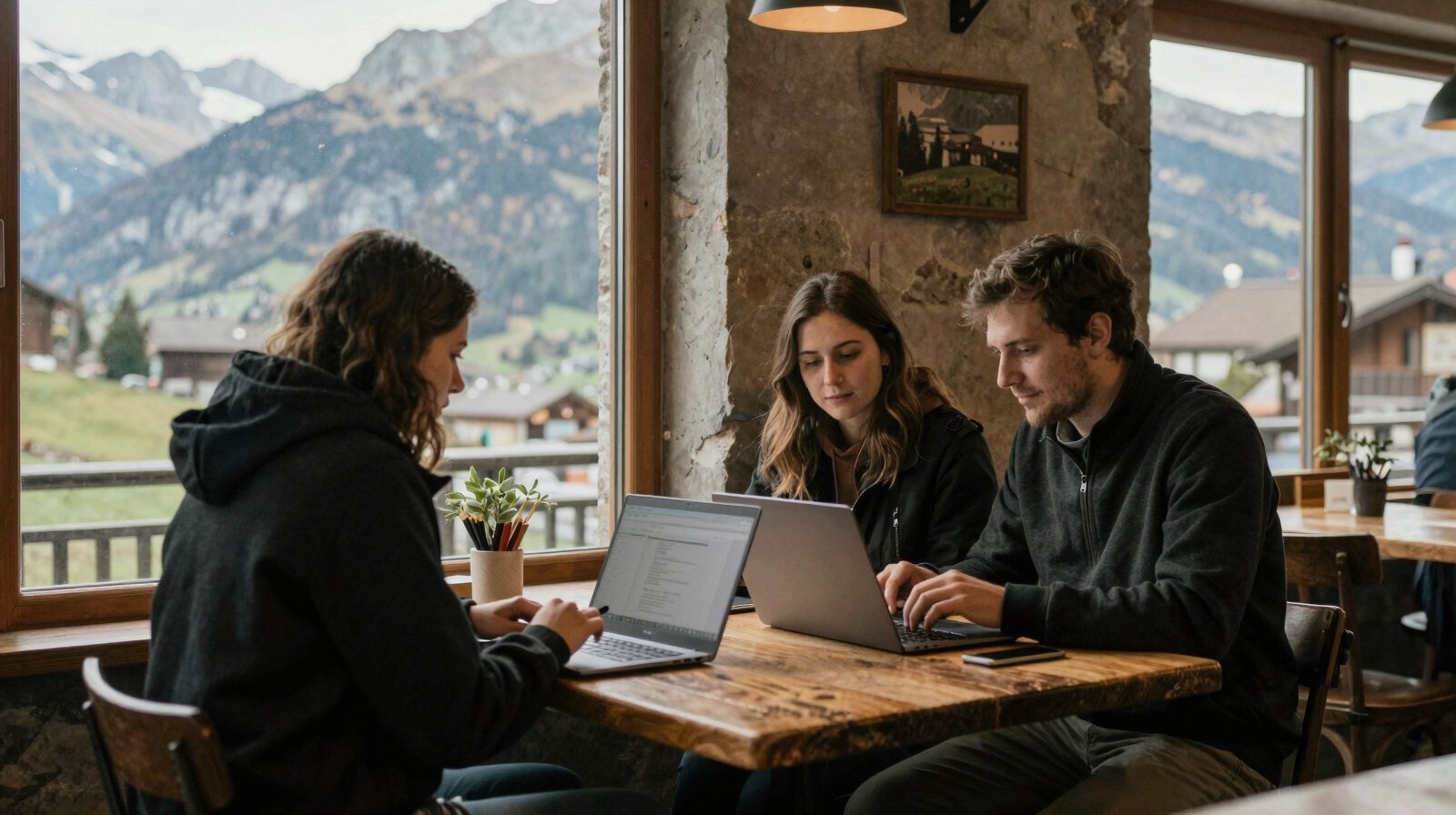
Switzerland has established itself as a global hub for finance, innovation, and quality of life.
However, it hasn’t yet created a specific visa category for digital nomads.
As a result, remote workers must navigate the existing visa framework. This can pose challenges for those wanting to experience Swiss precision and stunning Alpine scenery while working remotely.
Currently, most remote workers rely on tourist visas, which allow for 90 days within any 180-day period for many nationalities.
Others may pursue more permanent options like work permits tied to local employment.
Switzerland’s cautious approach to remote work culture necessitates creative planning for any extended stay.
Understanding the Schengen Short-Stay Options
Since Switzerland is part of the Schengen Area, digital nomads can take advantage of the Schengen short-stay visa for temporary remote work.
This visa allows you to stay for up to 90 days within any 180-day period without needing additional permits.
The Schengen visa provides excellent travel flexibility. You can move freely between all 27 Schengen countries during your stay.
To obtain this visa, you’ll need to provide proof of accommodation, health insurance, and evidence of sufficient funds.
Self-Employment Residence Permit: Requirements and Process
Although temporary stays work well for many digital nomads, those seeking a longer-term base in Switzerland should consider the Self-Employment Residence Permit.
To qualify, you’ll need to meet strict self-employment eligibility criteria. This includes proof of sufficient financial resources and a viable business plan that demonstrates an economic benefit to Switzerland. The cantonal authorities prioritize applicants with unique skills or innovative ventures.
Your application documentation checklist must include several key items. These include a business plan, financial projections, proof of qualifications, extensive health insurance, housing arrangements, and a clean criminal record.
Applications are processed through your canton’s migration office. Typically, the review process takes 2-3 months.
Tax Implications for Digital Nomads in Switzerland
Understanding Switzerland’s tax residency rules is crucial for digital nomads. Typically, residency kicks in after 90 days in the country or when you establish your center of economic interests there.
Switzerland’s taxation system operates at both federal and cantonal levels. Tax rates can vary significantly between regions, such as Geneva and Zug, so it’s important to know where you plan to reside.
If you’re earning income from multiple countries, Switzerland’s extensive network of double taxation agreements is beneficial. These agreements help prevent you from paying taxes twice on the same earnings, making it easier to manage your finances while living abroad.
Tax Residency Triggers
Switzerland boasts breathtaking landscapes and a robust infrastructure. However, digital nomads need to be aware of the tax residency triggers that come into play.
You’ll qualify as a tax resident if you stay in Switzerland for more than 90 days while engaged in gainful activity or for over 183 days without such activity.
Additionally, various factors may contribute to establishing tax residency. For instance, if you set up your primary residence, register a business, or maintain significant economic ties to Switzerland, you may be classified as a resident.
Even if you split your time between countries, Switzerland could be considered your “center of crucial interests,” leading to residency status.
It’s essential to monitor your stay duration closely. Swiss authorities meticulously track entries and exits. Achieving residency status means that your worldwide income becomes taxable in Switzerland.
Federal vs. Cantonal Taxation
Once you establish tax residency in Switzerland, you’ll need to navigate its unique two-tier tax system, which includes both federal and cantonal taxes.
The federal tax rate is uniform across Switzerland, providing consistent federal benefits regardless of your location.
Cantonal tax rates, however, vary considerably. This variation creates opportunities to optimize your tax situation. Some cantons offer special incentives to attract foreign professionals, including reduced rates for the first few years of residence.
When choosing where to settle, consider both your lifestyle preferences and the tax implications. Lower-tax cantons like Zug and Schwyz might save you thousands compared to higher-tax regions like Geneva.
Double Taxation Agreements
As a digital nomad considering Switzerland, understanding the country’s extensive network of double taxation agreements (DTAs) should be high on your priority list.
These international agreements prevent you from paying taxes twice on the same income in different countries.
Switzerland has DTAs with over 100 countries, offering substantial double taxation relief.
If you’re earning income from clients abroad while residing in Switzerland, these agreements determine where and how much tax you’ll pay.
Before settling in, check if your home country has a DTA with Switzerland and understand its specific provisions.
This research can potentially save you thousands in unnecessary tax payments.
Cantonal Differences in Remote Work Regulations
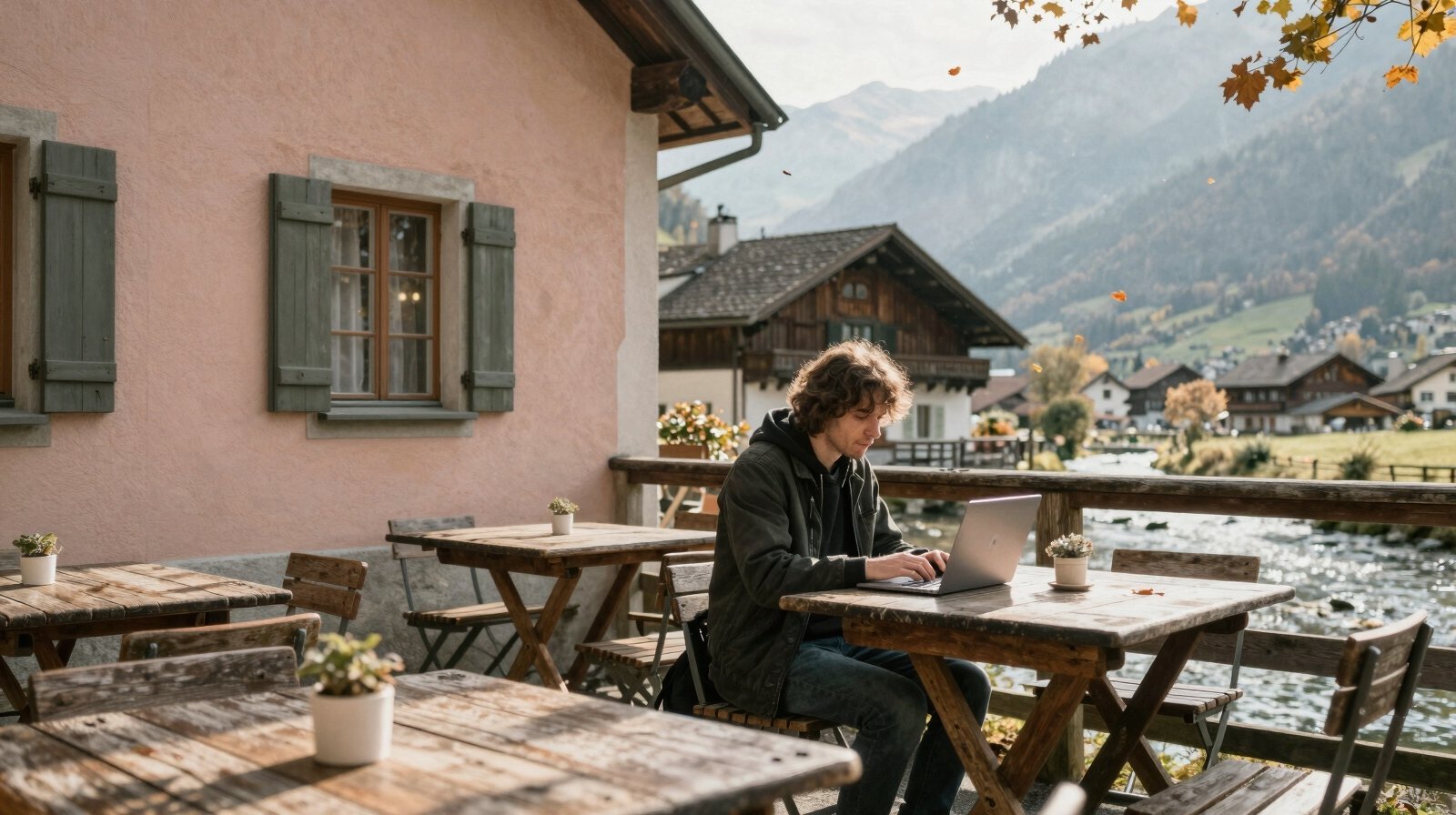
Since Switzerland operates as a federation of 26 cantons, each with significant autonomy, regulations for remote workers can vary widely across regions.
Urban cantons like Zurich and Geneva typically have more developed frameworks for digital professionals. In contrast, rural areas may be less accommodating to remote work.
Some cantons offer tax incentives specifically designed to attract remote workers. However, others maintain stricter requirements that must be considered.
Before settling anywhere, it’s crucial to research the specific cantonal regulations regarding remote work permits, tax obligations, and residency requirements.
Consulting with local experts can also provide valuable insights into the nuances of your preferred canton’s policies.
Alternative European Digital Nomad Visas Near Switzerland
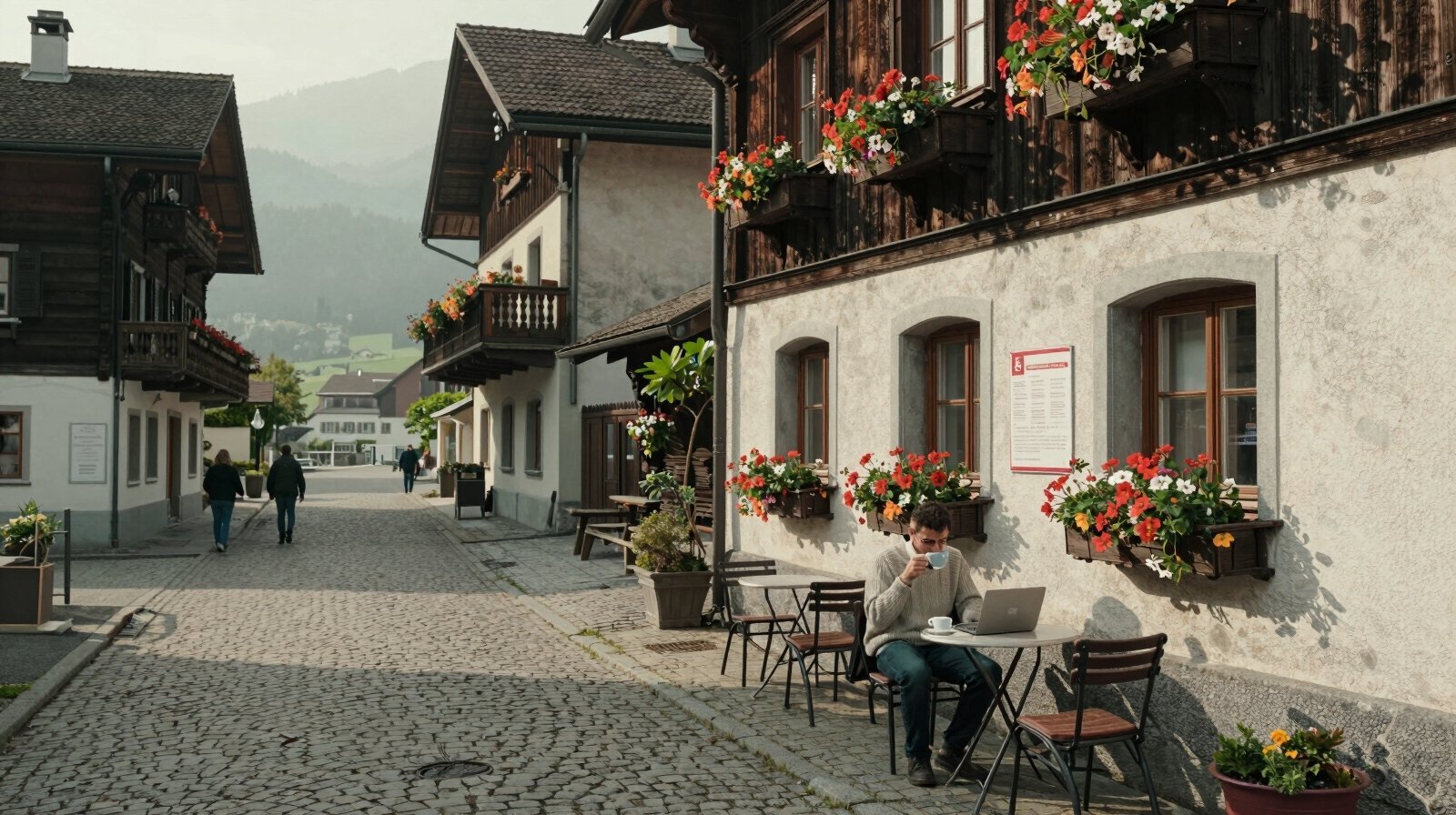
If you’re struggling with Swiss visa requirements, consider a border-hopping strategy.
Base yourself in neighboring countries that have friendlier digital nomad policies.
Italy’s new digital nomad visa and Germany’s freelancer visa offer viable alternatives.
Both options are just a short train ride from Swiss cities.
You’ll enjoy similar Alpine scenery and access to Switzerland for short visits.
This way, you can maintain legal remote work status through a more accommodating European country.
Border-Hopping Strategies
Three neighboring countries offer viable alternatives if Switzerland’s visa options don’t align with your needs.
Consider Italy’s digital nomad visa, France’s passport talent, or Germany’s freelance visa—all accessible within a short train ride from Swiss borders.
For maximum travel efficiency, base yourself in border towns like Annemasse (French side) or Como (Italian side).
These locations provide lower living costs while maintaining easy access to Switzerland.
My top border hopping tip: always carry proper documentation showing your legal status in your host country.
Random checks are common on regional trains crossing these borders, so being prepared is essential.
Neighboring Country Advantages
Flexibility is your greatest asset when exploring digital nomad visas near Switzerland. France, Germany, and Italy present attractive alternatives with less stringent financial requirements and longer stays.
Germany’s freelance visa specifically caters to self-employed professionals, while Italy’s new digital nomad visa offers a full year of residency.
The advantages of neighboring countries extend beyond easier visa application processes. You’ll enjoy similar Alpine landscapes and cultures while having the ability to access Switzerland for client meetings through short trips.
This strategy allows you to stay close to Swiss business opportunities without the financial burden of living there full-time.
Practical Challenges of Working Remotely in Switzerland
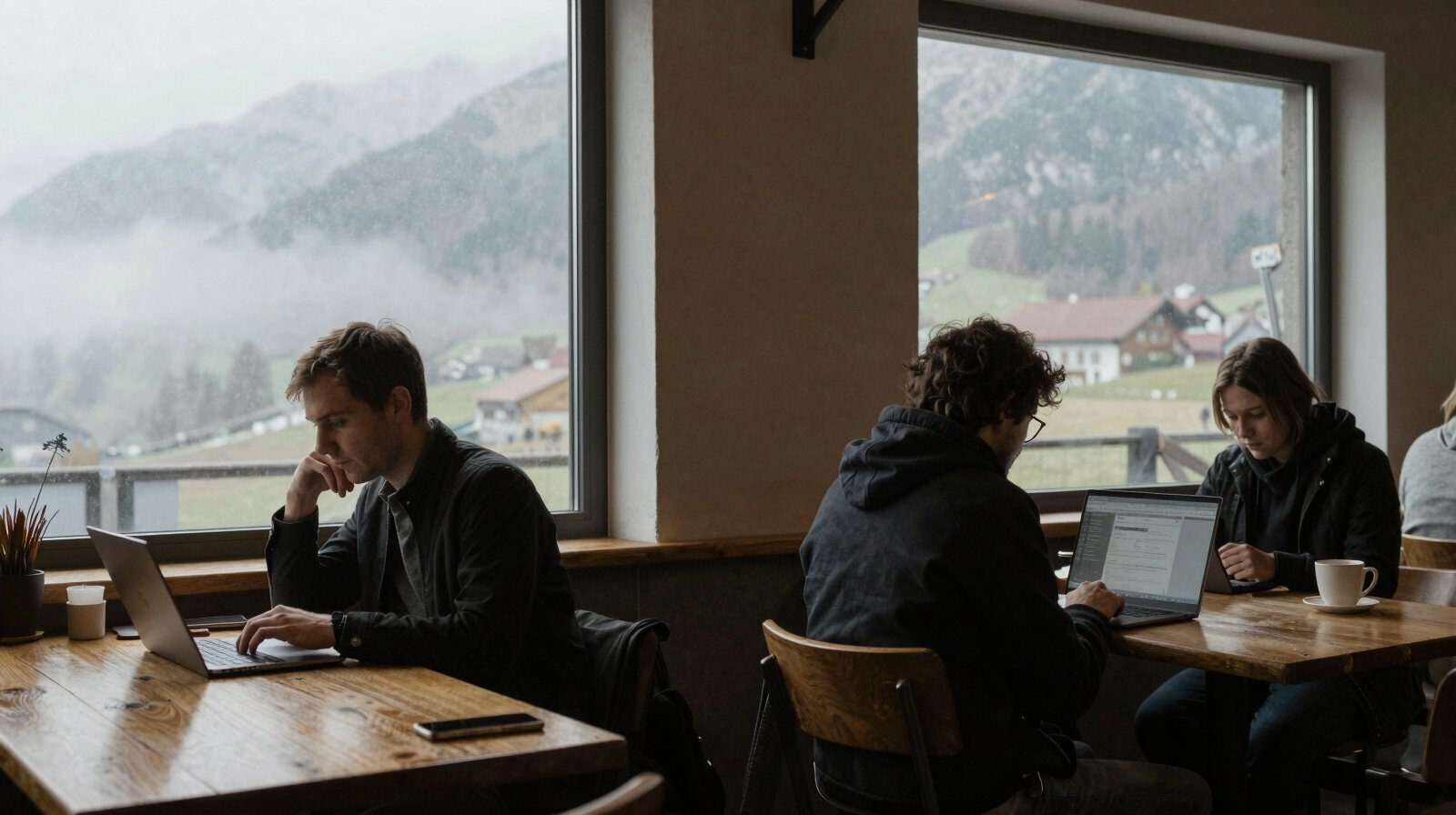
While Switzerland boasts stunning landscapes and top-notch infrastructure, working remotely here presents unique challenges. For instance, maintaining a healthy work-life balance can be tough when the majestic mountains call out for exploration.
The high cost of living significantly affects your budget, with monthly expenses often exceeding $3,500. Additionally, time zone differences may force you into early mornings or late nights to accommodate clients or colleagues in other regions.
Local networking opportunities are available, but many require proficiency in German, French, or Italian, which can pose a barrier for some remote workers.
Furthermore, securing consistent, high-speed internet can be a daunting task in the more remote alpine areas.
Health Insurance Requirements for Long-Term Stays
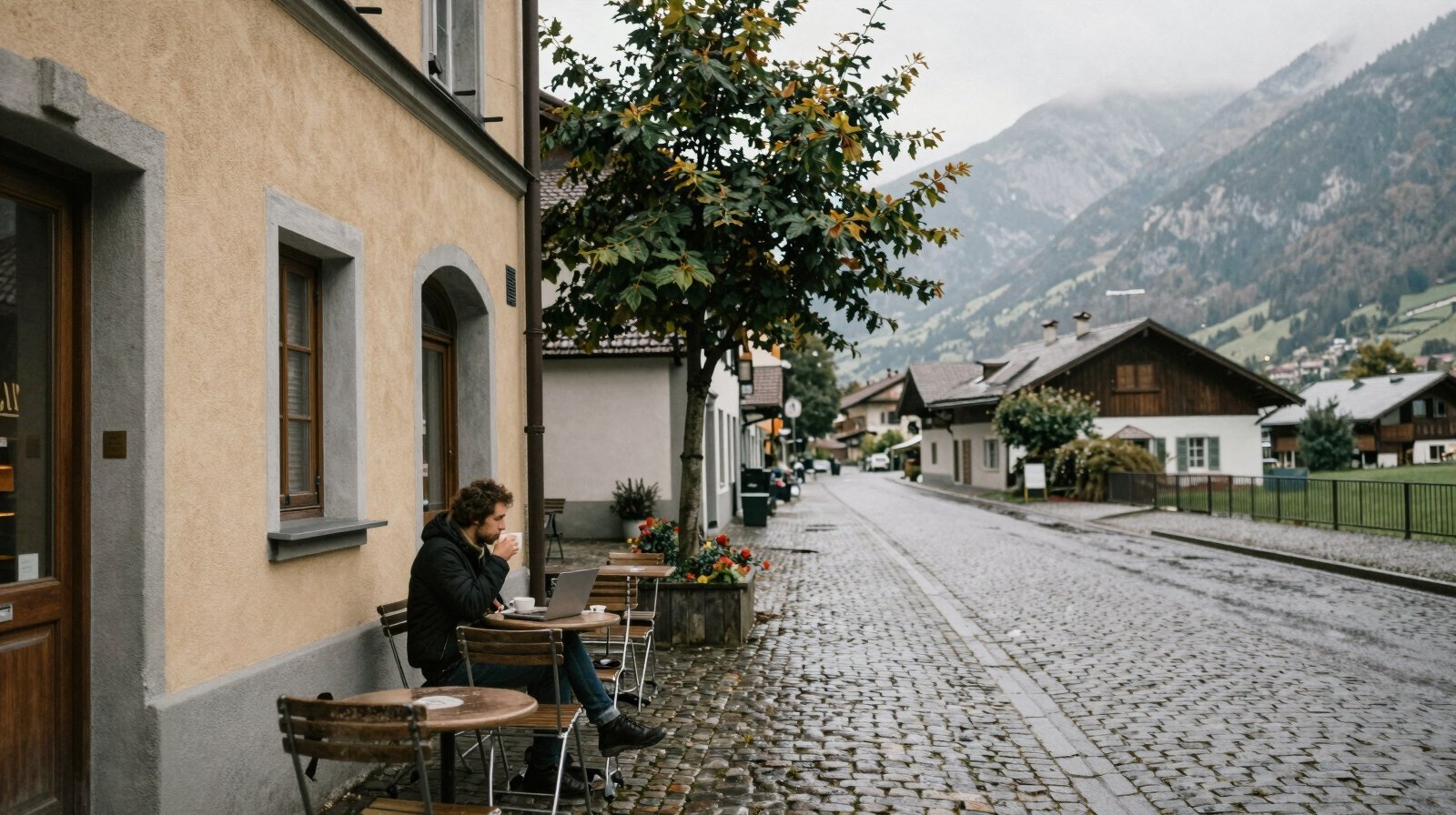
When planning your extended stay in Switzerland, securing thorough health insurance isn’t just recommended—it’s mandatory.
Swiss authorities require proof of adequate health coverage before approving any long-term visa or permit.
Your insurance options include either purchasing a Swiss health policy or providing documentation that your international plan meets Switzerland’s strict requirements.
Basic coverage must include accidents, illness, and hospitalization with minimal deductibles.
Don’t underestimate this requirement. Immigration officials carefully verify insurance documentation.
I’ve seen fellow nomads face visa delays because their coverage didn’t meet the standards.
Arrange proper health coverage early to avoid complications with your Swiss digital nomad journey.
ETIAS and Upcoming Entry Changes for Digital Nomads
Beginning in 2026, digital nomads planning to visit Switzerland will need to navigate the new European Travel Information and Authorization System (ETIAS).
This pre-travel authorization is part of updated entry requirements affecting short-term stays.
ETIAS applications will cost €7 and remain valid for three years.
You’ll need to apply online at least 72 hours before your travel, providing your passport details.
The authorization allows for stays of up to 90 days within any 180-day period.
However, it’s important to note that ETIAS updates won’t replace visa requirements for long-term digital nomad stays.
As 2026 approaches, make sure to check the official ETIAS portal regularly to stay informed about the current entry requirements.
Strategic Approaches to Establishing a Swiss Base Legally
If you’re hoping to make Switzerland your digital nomad base, you’ll need to navigate the complex legal constraints on remote work.
These constraints vary greatly between cantons, so it’s important to do your research.
Geneva and Zürich offer more flexible authorization options for knowledge workers.
This can make it easier for remote professionals to establish themselves in these cities.
Basel presents an interesting cross-border strategy due to its proximity to France and Germany.
You might consider establishing residency in a neighboring country while accessing Switzerland’s amenities.
This common approach can satisfy visa requirements while allowing you to maintain your desired lifestyle in Switzerland.
Remote Work Legal Constraints
Despite Switzerland’s appeal as a digital nomad destination, navigating the legal constraints around remote work requires careful planning.
Understanding employment regulations that affect your status as a remote worker is essential, regardless of your visa type.
Remote work compliance varies based on your client location and employment structure. Swiss authorities make a clear distinction between employed remote workers and self-employed freelancers.
Tax obligations apply even during short stays if you’re economically active.
Additionally, banking and insurance requirements remain mandatory, regardless of your temporary status.
Cantonal Authorization Differences
While Switzerland may seem like a cohesive nation to outsiders, its 26 cantons operate with considerable autonomy regarding work permits. This results in a complex array of regulations that require careful navigation.
Each canton has its own stance on digital nomadism. For instance, Zug is highly friendly towards tech-oriented workers, requiring proof of income and health insurance.
In contrast, Geneva, an international hub, imposes higher financial thresholds and demands a rental contract.
Valais, with its traditional focus, has much stricter requirements, including strong local ties and extended stay plans.
Ultimately, your success in securing a work permit often hinges on selecting the right canton. Some cantons embrace innovation and attract remote workers, while others uphold stringent regulations that favor traditional employment relationships.
Cross-Border Residence Strategy
For many digital nomads who can’t secure long-term Swiss residency directly, a cross-border strategy can provide a practical solution.
By establishing a home base in neighboring countries, you can access Switzerland regularly while enjoying its benefits.
Consider living in France, Germany, or Italy, allowing you to commute to Swiss coworking spaces.
If you work with Swiss clients, applying for a G-permit (cross-border commuter permit) is essential for your legal status.
It’s crucial to understand cross-border taxation agreements to avoid double taxation.
Additionally, maintaining proper documentation of your movements will help satisfy residency permit requirements.
This approach enables you to benefit from Switzerland’s advantages without facing strict residency requirements.
However, it requires careful planning regarding your tax obligations.
Frequently Asked Questions
Navigating Switzerland’s remote work landscape raises essential questions you’ll need to address before planning your stay.
It’s crucial to understand visa duration limits, document requirements, legal work parameters, and tax obligations.
Additionally, knowing how long applications typically take to process will help you create a realistic timeline.
With the right information, you can prepare effectively for your Swiss digital nomad experience.
Visa Length Limits
As I’ve traveled through Switzerland multiple times, the number one question I get from fellow digital nomads concerns visa duration.
Understanding Switzerland’s visa length limits is essential before planning your remote work stay.
The standard Schengen visa allows you to stay for 90 days within any 180-day period.
However, non-EU/EFTA nationals can’t easily extend beyond this timeframe.
Some cantons may offer remote work extensions under specific professional circumstances.
It’s important to note that working without proper authorization can result in fines and future entry bans.
Visa duration limits are strictly enforced in Switzerland, unlike some digital nomad hotspots that are more flexible.
Required Documents
Documentation represents the biggest hurdle for digital nomads hoping to spend time in Switzerland. When applying, you’ll need a thorough document checklist that proves your financial stability and purpose of stay.
Your application requirements typically include a valid passport with at least 6 months of validity. Additionally, you’ll need to provide proof of income or sufficient funds, as well as health insurance coverage.
Accommodation details and a return ticket or travel itinerary are also essential. Don’t forget to include bank statements from the last 3-6 months along with employment verification or client contracts.
Remember that Swiss authorities are particularly thorough when reviewing applications. Ensure every document is current and properly translated if necessary.
Working While Visiting
With your documents in order, it’s essential to understand the specific rules for working remotely while in Switzerland.
Despite its growing remote work culture, the country makes a clear distinction between physical presence and work authorization.
Legally, you can’t work for Swiss companies if you’re on a tourist visa. Additionally, remote work for foreign employers exists in a legal gray area that may complicate your situation.
In cities like Zurich and Geneva, digital nomad communities provide coworking spaces and networking opportunities, helping you connect with others in similar situations.
However, be aware that banking regulations might restrict your ability to receive payments while you’re in the country.
Always consult official sources for the latest regulations, as immigration policies can change frequently.
Tax Implications
While Switzerland’s reputation as a tax haven appeals to many digital nomads, understanding your tax obligations remains critical during your stay.
If you’re staying less than 90 days, you’ll typically pay taxes in your home country. However, once you meet residency requirements (generally 183+ days), you become liable for Swiss taxes on your worldwide income.
Switzerland operates under a federal system where tax rates vary by canton. Some cantons offer attractive packages for high-income individuals, but proper planning is essential.
Remember that double taxation agreements exist between Switzerland and many countries to prevent paying taxes twice on the same income.
Application Processing Time
As you plan your digital nomad journey to Switzerland, it’s crucial to understand the timelines for visa processing.
These timelines can vary significantly based on your nationality and the specific permit you’re applying for.
Most permit applications typically take between 4 to 12 weeks to process.
However, during high-volume periods, such as the summer months, you might experience additional delays of 2 to 3 weeks.
If your application requires canton-level approvals, this may further extend your waiting period.
It’s also important to note that applications from non-EU/EFTA countries generally take longer to process compared to those from EU/EFTA nations.
To avoid any last-minute complications, be sure to submit your application well in advance of your intended arrival date.
Summary
While Switzerland hasn’t established a dedicated digital nomad visa yet, there are still several options available for working remotely from this stunning country. For shorter stays, you can utilize the 90-day tourist visa, which allows for a quick getaway to enjoy the Swiss landscape and culture.
If you plan to stay longer, you might consider pursuing the more complex Self-Employment Permit. This option requires careful planning and an understanding of your tax obligations as a remote worker.
As regulations evolve, it’s important to stay informed about the implementation of ETIAS and its potential impact on your travel plans. Additionally, examining digital nomad programs in neighboring countries may provide alternative entry points for your remote working adventures in Europe.