
You’re considering Australia as your next digital nomad destination, but navigating visa options can be challenging. While Australia hasn’t introduced a dedicated digital nomad visa yet, there are several alternative pathways available for remote workers.
The best choice for you will depend on your age, income level, and intended duration of stay. Understanding these options now can help you avoid headaches at the border—and save you thousands in potential travel costs.
Key Takeaways
Australia does not currently offer a dedicated digital nomad visa. However, there are alternatives available, such as the Working Holiday visa, which costs $495 and is available for individuals aged 18-30 or 35.
For entrepreneurs, the Business Innovation visa may be a suitable option at a cost of $4,240. Additionally, employer-sponsored visas require applicants to hold positions on Australia’s skilled occupation list.
Remote workers have the opportunity to work in picturesque coastal towns like Gold Coast and Byron Bay, where they can find reliable Wi-Fi and a productive beachside environment.
Co-working spaces, including Hub Australia, Fishburners, and WeWork, provide flexible membership options starting at $30 per day, making it easier for digital nomads to stay connected and collaborate.
It’s important to be aware of tax implications, as these can vary based on your residency status. Generally, if you stay in Australia for more than 183 days, you may be classified as an Australian tax resident.
No Official Nomad Scheme
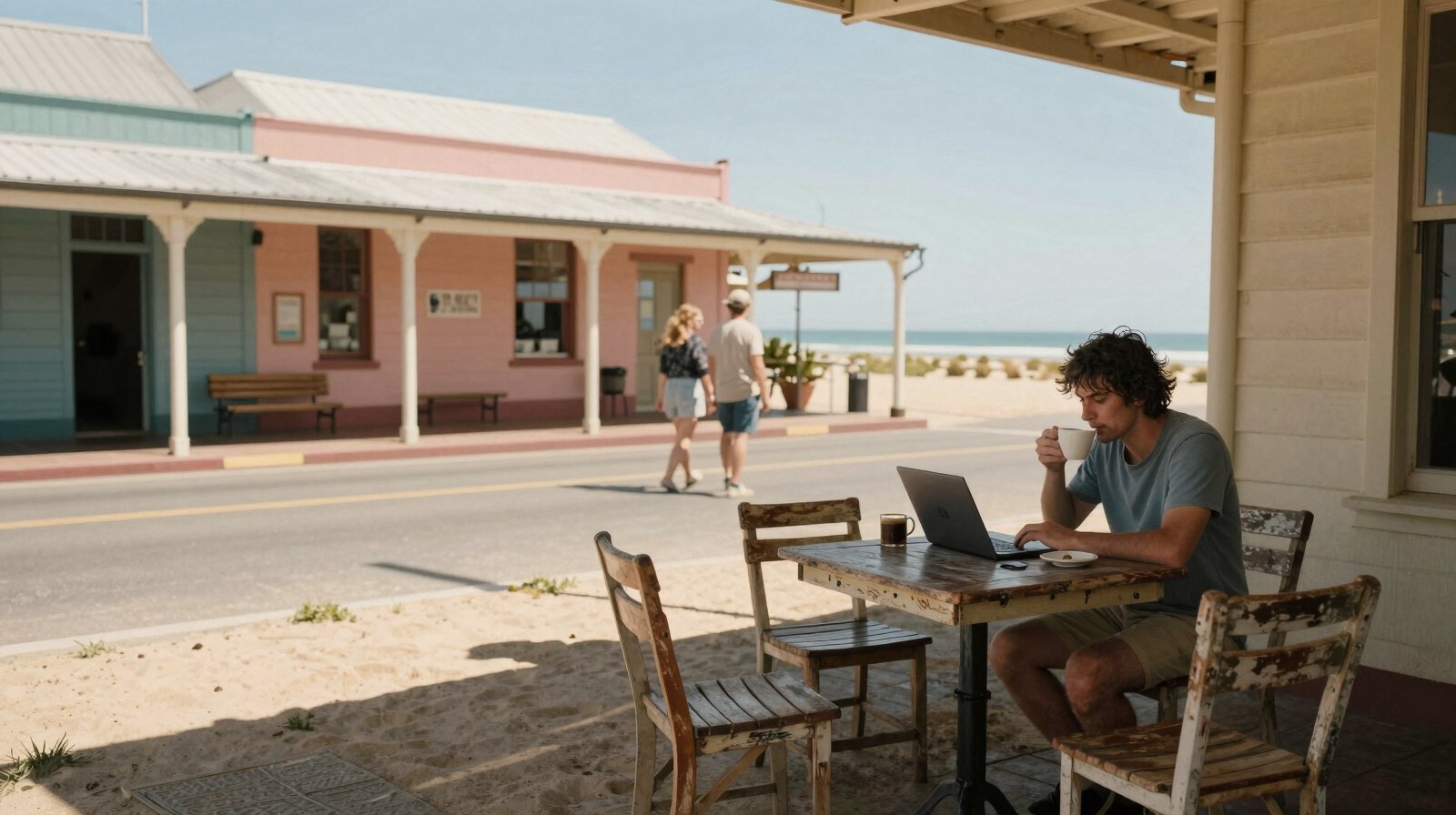
While many countries are rolling out specialized digital nomad visas, Australia hasn’t yet joined this trend.
Despite being a dream destination for remote workers with its stunning landscapes and vibrant cities, the country lacks a dedicated pathway for digital nomads.
However, this doesn’t mean you’re out of options. Australia offers several visa alternatives that can provide similar benefits without the official label.
You’ll need to get creative with existing immigration pathways to make your Australian remote work dreams possible.
Understanding these alternatives is essential before planning your move to the land down under.
Remote Work Beach Access
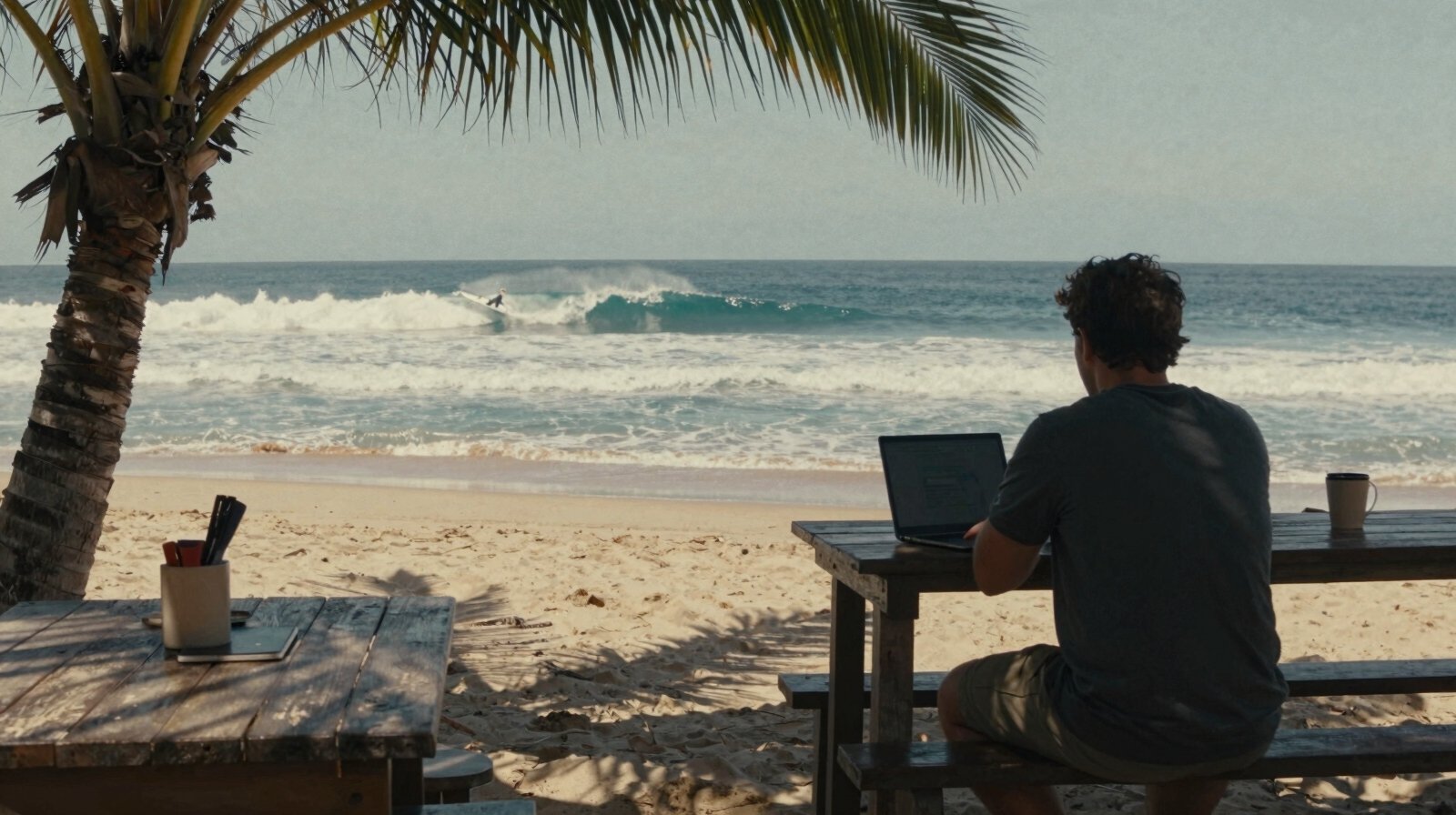
One of the biggest draws for digital nomads considering Australia is the unparalleled beach access. Countless coastal towns offer “offices” just steps from the shoreline.
Cities like Gold Coast, Byron Bay, and Bondi provide reliable Wi-Fi at beachfront cafés, allowing you to balance work with refreshing ocean dips.
This beachside productivity isn’t solely about the view. Australia’s clean beaches and excellent facilities create practical oceanfront workspace options.
Many coastal areas come equipped with free public Wi-Fi, covered picnic areas, and libraries boasting ocean views.
For maximum efficiency, think about accommodations within walking distance of these natural productivity boosters.
Affordable Co-Working Spaces

While Australia’s beachfront workspaces are alluring, there are many affordable co-working spaces across the country that offer structured environments for digital nomads.
These hubs provide excellent value and opportunities for professional connections.
Hub Australia offers flexible memberships starting at just $30/day in major cities. This makes it a great choice for those looking to balance work and travel.
Fishburners is another excellent option, hosting weekly community events that facilitate networking with local entrepreneurs.
It’s a vibrant space that fosters collaboration.
WeWork locations provide affordable memberships, complete with 24/7 access and global connectivity. This ensures you can work anytime, anywhere.
Lastly, CreativeCubes features budget-friendly hot desk options and includes complimentary coffee and meeting rooms.
This combination helps boost productivity while keeping costs low.
Don’t underestimate the impact these spaces can have on your productivity and business opportunities while in Australia.
Income Verification Rules

When applying for any Australian visa that permits remote work, you must meet strict income verification requirements. Australia seeks proof of your financial stability before granting entry.
Here’s what you’ll typically need to provide:
First, submit bank statements showing consistent income for the past 3-6 months. Additionally, you should include tax returns or official income documentation from your home country.
If you’re a freelancer, contracts with clients or employer confirmation letters are necessary. For those who are self-employed, proof of multiple income sources is required.
Documentation requirements can vary by visa type, so always prepare more evidence than you think is necessary. This approach can help you avoid potential rejection.
Tech Setup Verification Needed
Beyond income verification, Australia also requires proof of your remote work technology setup. Immigration officers want assurance that you have the essential tech to maintain stable employment while in the country.
Your documentation should include a reliable laptop with appropriate processing power for your work. Additionally, include backup solutions for critical files and projects.
Make sure to document your subscriptions to remote tools like Zoom, Slack, and project management software. It’s also essential to have a mobile hotspot or connectivity plan for backup internet access.
I recommend taking screenshots of your setup. Prepare a brief explanation of how these technologies support your specific work requirements. Having this documentation ready will streamline your application process.
650 Application Fee

The application fee for Australia’s digital nomad visa options varies depending on the specific visa subclass you’re applying for. Current Working Holiday visa fees run around AUD $495, while the Work and Holiday visa costs approximately the same.
On the other hand, the longer-term Business Innovation visa comes with a steeper price tag of about AUD $4,240.
During the application process, you’ll need to pay these fees online through the ImmiAccount portal.
Remember to factor in potential additional costs like health examinations, police clearances, and biometrics collection when budgeting for your move.
The fee breakdown doesn’t include immigration assistance if you choose to hire help.
Byron Bay Nomad Hub
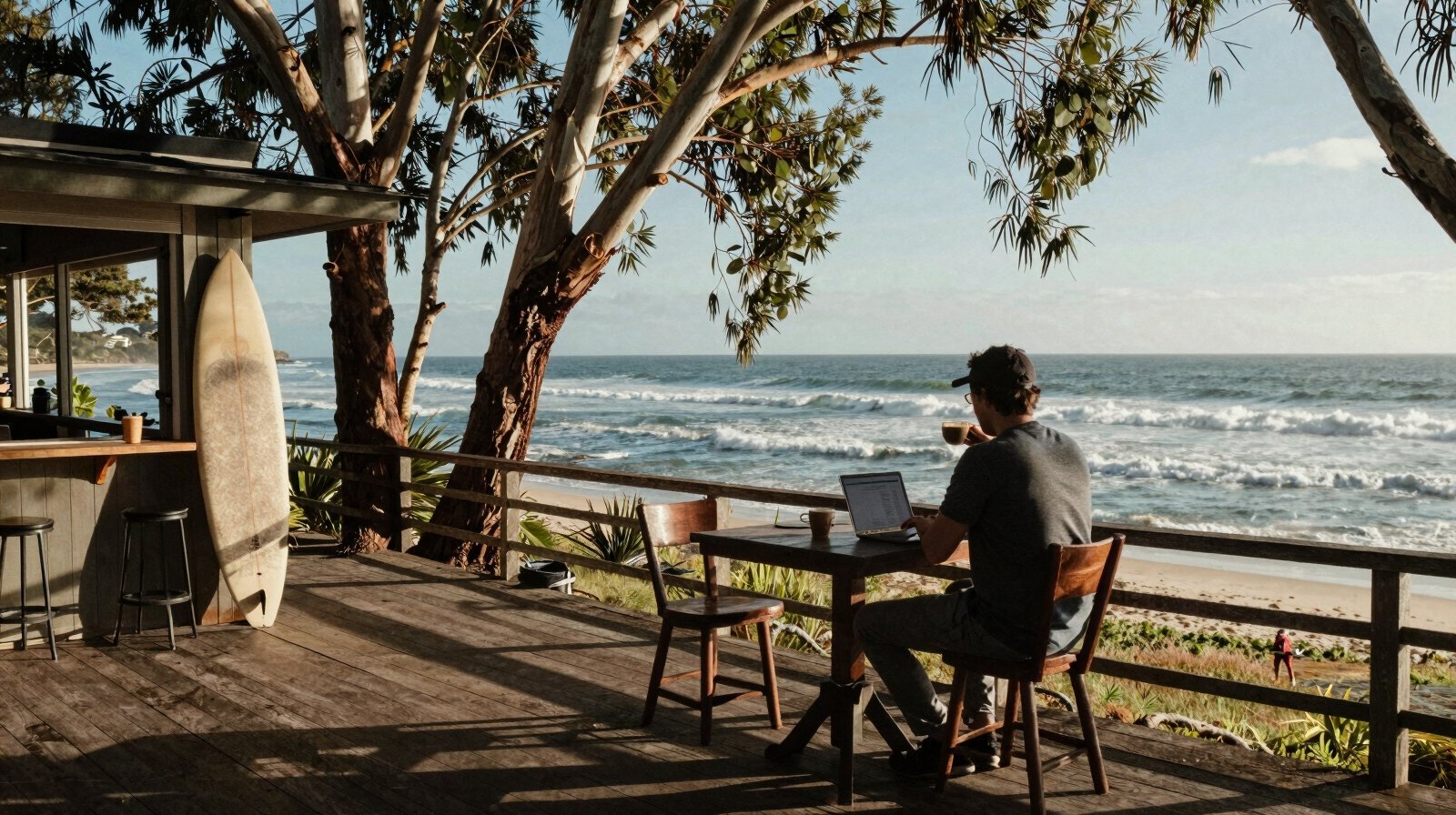
Byron Bay has emerged as Australia’s premier digital nomad destination. It attracts remote workers from around the globe with its stunning beaches and relaxed lifestyle.
When you base yourself here, you’ll notice the perfect blend of professional infrastructure and the laid-back Byron Bay way of life. The town features several established coworking spaces where you can connect with like-minded professionals.
The coworking community is tight-knit yet welcoming to newcomers. Regular networking events, skill-sharing workshops, and beach meetups combine work and leisure—making the digital nomad experience in Australia truly special.
Online Portal Submission

Applying for your Australian digital nomad visa starts with navigating the official immigration website’s portal system.
First, you’ll need to create an ImmiAccount, which acts as your gateway to all visa applications.
Before you begin, gather all required documents in digital format, preferably as PDFs. For document preparation, scan originals at high resolution, ensure file sizes meet portal requirements (typically under 5MB per file), and use descriptive filenames.
The portal guides you through each section step by step. Remember to save your progress frequently, as the system will time out after 30 minutes of inactivity.
Double-check all information before final submission, as making corrections afterward can be complicated.
No Extended Stays Permitted

Unlike many digital nomad visas around the world, Australia’s temporary work options don’t permit extended stays beyond the designated visa duration.
You’ll need to adhere strictly to your visa’s timeframe, whether it’s 3, 6, or 12 months.
These visa duration limits create travel flexibility constraints you must plan around. Unlike some countries that offer easy extensions, Australia requires you to leave once your visa expires.
There’s no “visa run” option to reset your time.
The government meticulously tracks exits and entries. Overstaying can result in future visa rejections and potential bans.
Longer Stays Require Sponsorship

If you’re dreaming of staying in Australia long-term as a digital nomad, you’ll need to secure employer sponsorship through pathways like the Temporary Skill Shortage visa (subclass 482).
This option requires finding an Australian company willing to sponsor you. Sponsorship requirements include proving your position can’t be filled locally and that your skills match eligible occupations on Australia’s skilled occupation list.
The process isn’t simple. Employers must become approved sponsors and demonstrate genuine business needs.
Additionally, your occupation must be on the Medium and Long-term Strategic Skills List, and you’ll need relevant qualifications and work experience.
While challenging, this pathway offers the stability many digital nomads eventually seek.
Immigration Department Website
The Australian Department of Home Affairs website is your go-to source for accurate visa information. It provides comprehensive details on each visa type, application processes, and eligibility requirements all in one place.
Don’t forget to bookmark their visa finder tool. This feature helps you narrow down options based on your unique situation.
When exploring the immigration process, ensure you verify information directly through this official channel, instead of relying on outdated blog posts or forums.
Additionally, the website offers self-assessment tools to check your visa eligibility. This can save you time and money before applying.
You can also set up account alerts to stay updated on policy changes that may impact digital nomads.
Frequently Asked Questions
You’ll likely have practical questions about Australia’s visa options for remote workers. This includes everything from Working Holiday eligibility to insurance requirements.
Common concerns involve how to extend your stay and what tax obligations you’ll face while working remotely.
Additionally, understanding the essential banking setup procedures can help you manage your finances smoothly.
Working Holiday Requirements
Many aspiring digital nomads wonder about the specific requirements for Australia’s Working Holiday visa.
I’ve personally navigated this process during my early nomad days.
To qualify, you’ll need to be between 18 and 30 years old (35 for some countries).
You must hold an eligible passport, have sufficient funds (AUD$5,000), and meet health and character requirements.
The visa allows you to stay for 12 months, with potential extensions available.
Beyond temporary work rights, the working holiday benefits include cultural exchange opportunities that you won’t find with other visas.
You’ll immerse yourself in authentic Aussie life while maintaining your digital career—making it a perfect stepping stone into nomad life.
Remote Work Insurance
While setting up your visa is a primary concern, insurance considerations follow closely behind on any digital nomad’s checklist.
Australia’s healthcare system won’t fully cover you as a temporary resident, making extensive travel health coverage essential.
Look for remote work insurance options that include emergency medical evacuation, coverage for your tech equipment, liability protection, and mental health services.
Many insurers now offer specialized digital nomad policies lasting from 3 to 12 months.
World Nomads and SafetyWing are popular choices, but be sure to compare coverage limits and exclusions carefully before making a decision.
Don’t skimp on insurance—quality coverage provides peace of mind while you’re focusing on work.
Visa Extension Options
As your initial Australian visa approaches its expiration date, it’s essential to explore your extension options to maintain your digital nomad lifestyle legally.
Most visa types offer the possibility of extensions, but the eligibility criteria can vary significantly. For instance, Work Holiday visa holders may qualify for a second or third year if they’ve completed the required regional work.
Renewals for skilled visas depend on continued sponsorship or meeting specific point requirements. If you’re on a student visa, you can extend it by enrolling in additional courses.
Tourist visas usually provide only short extensions, which require proper justification.
Make sure to apply for your extension at least 14 days before your current visa expires to ensure you maintain lawful status.
Keep in mind that extensions often necessitate proof of financial stability and compliance with the original visa conditions.
Tax Implications
Understanding your tax obligations is crucial when working remotely in Australia. As a digital nomad, your tax residency status plays a significant role in how your income is taxed.
If you stay in Australia for more than 183 days, you’ll likely be classified as an Australian tax resident. This means your worldwide income will be taxed at Australian rates. Conversely, non-residents are only taxed on income sourced from Australia.
It’s important to note that most visas require you to maintain tax compliance.
Australia has double taxation agreements with many countries to help prevent you from paying taxes twice on the same income. To navigate these complexities, it’s advisable to consult with a tax professional who understands digital nomad arrangements.
Banking Setup Necessities
As you prepare for your digital nomad journey in Australia, setting up proper banking arrangements should be a top priority.
Opening a local Australian account can help you avoid excessive currency exchange rates and international fees.
Consider banks like Commonwealth or ANZ, which cater to temporary residents. To get started, you’ll typically need your passport and visa documentation.
Don’t forget to notify your home bank about your travel plans to prevent card freezes.
Many digital nomads also use services like Wise or Revolut for better exchange rates when transferring funds between accounts.
Summary
While Australia doesn’t offer a dedicated digital nomad visa yet, there are several workable alternatives available. If you’re under 30, consider the Working Holiday visa, which allows you to work and travel. Entrepreneurs might find the Business Innovation option more suitable.
Keep in mind that longer stays require sponsorship. It’s important to check Australia’s immigration website regularly for updates, as visa regulations change frequently. Plan ahead to fully enjoy the beautiful beaches and affordable co-working spaces Australia has to offer in 2026.