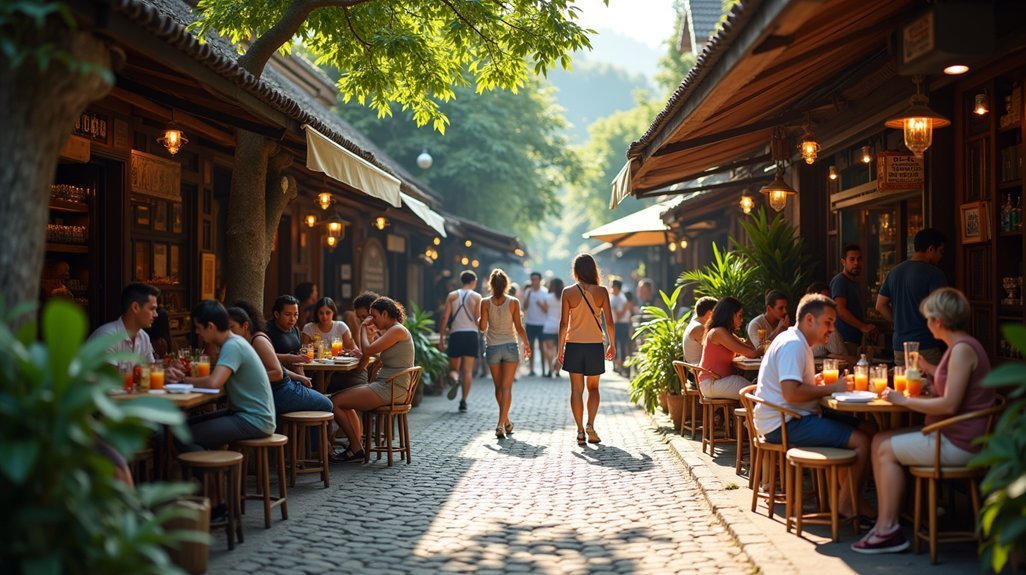
On and off for years, I’ve called Hawaii home, and in that time, I’ve watched countless nomads pour their hard-earned money into what many consider paradise. But let me tell you, you don’t need deep pockets to enjoy the magic of these islands—just a few savvy choices.
When I first arrived, I learned the hard way how quickly expenses can add up. But through trial and error, I discovered simple tweaks to how I eat, travel, and find accommodation that can stretch your budget further than you might imagine.
Picture yourself savoring a plate of fresh poke while listening to the gentle crash of waves against the shore, all without breaking the bank. It’s all about making informed decisions that allow you to soak up the vibrant local culture and breathtaking landscapes without financial worry.
So, let me share the exact steps that helped me thrive in Hawaii long after my savings began to dwindle. Grab a cup of locally brewed coffee, and let’s dive into these money-saving strategies that can help you experience the best of every sun-soaked moment.
My Seven KEY Strategies To Save Money While Living In Hawaii
- Opt for long-term rentals or house-sitting
Secure accommodations like extended stays or free house-sitting gigs to slash costs and immerse in local life, often under $800 monthly. - Cook with local market produce
Shop farmers markets for affordable fresh ingredients like mangoes and taro, then prepare home-cooked meals to enjoy culture without restaurant prices. - Use public transit, bikes, or walking
Rely on TheBus ($2.75/ride), bikes, or feet instead of rental cars to explore cheaply, avoid parking hassles, and connect with locals. - Travel in shoulder seasons
Visit April-early June or September-November for lower prices, fewer crowds, and great weather, avoiding 30-50% peak surcharges. - Prioritize free natural activities
Hike trails to waterfalls, snorkel beaches, or beachcomb for memorable, no-cost adventures like Kalalau or Makapu’u Tide Pools. - Get low-cost SIMs and free Wi-Fi
Use budget SIM cards or public spots for connectivity, saving on data while staying linked for remote work planning. - Join nomad groups and shop locally
Tap expat communities for deals, tips, and hidden gems; buy from neighborhood stores to avoid tourist traps and cut everyday expenses.
Biggest Takeaways For Budget Conscious Hawaiian Slow Travel
When it comes to exploring new destinations without breaking the bank, I’ve found some tried-and-true strategies that work wonders. For starters, consider renting long-term or diving into house-sitting gigs. This not only slashes accommodation costs but also allows you to immerse yourself in local life.
Imagine waking up to the sounds of the neighborhood and sipping your coffee on a sun-drenched balcony, all while saving money!
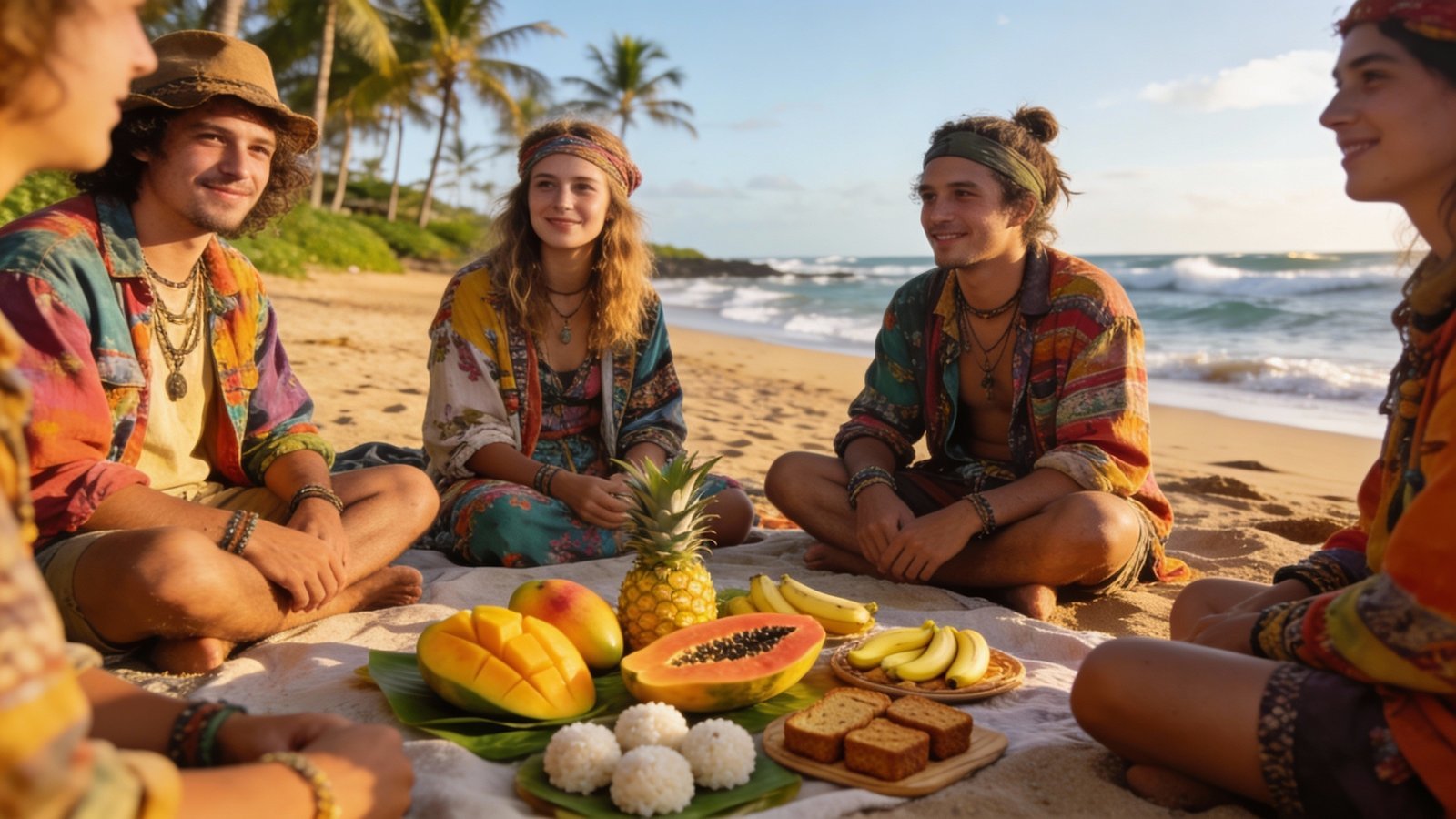
Cooking your meals is another game-changer. I love wandering through local markets, where the vibrant colors of fresh produce beckon. The sights and smells are an adventure in themselves! Plus, whipping up a meal with local ingredients is a delightful way to connect with the culture.
Dining out can be tempting, but nothing beats the joy of crafting your own culinary masterpiece.
When it comes to getting around, ditching the rental car is a smart move. Embrace public transit, hop on a bike, or simply walk to soak in the local atmosphere. Each mode of transport offers a unique perspective on the place you’re exploring.
Plus, you’ll save money and avoid the hassle of parking!
Timing your travels during shoulder seasons is another savvy tip. You’ll find not only lower prices but also the bliss of fewer crowds.
Picture yourself wandering through a serene beach, the sound of waves crashing softly in the background, without the bustling throngs of tourists.
Don’t overlook the treasure trove of free activities that islands have to offer. Hiking along scenic trails, beachcombing for seashells, or swimming in crystal-clear waters can fill your days with joy without costing a dime.
These experiences often become the most memorable parts of my trips.
Staying connected is crucial, but it doesn’t have to be costly. I’ve discovered that picking up low-cost SIM cards or seeking out free Wi-Fi spots can keep me connected without the heavy price tag.
It’s a little thing that makes a big difference, especially when planning your next adventure.
Joining local expat and nomad groups opens doors to fantastic money-saving tips and deals. It’s like having a built-in community of friends who share the same passion for travel.
Plus, you might just discover hidden gems that aren’t in the guidebooks.
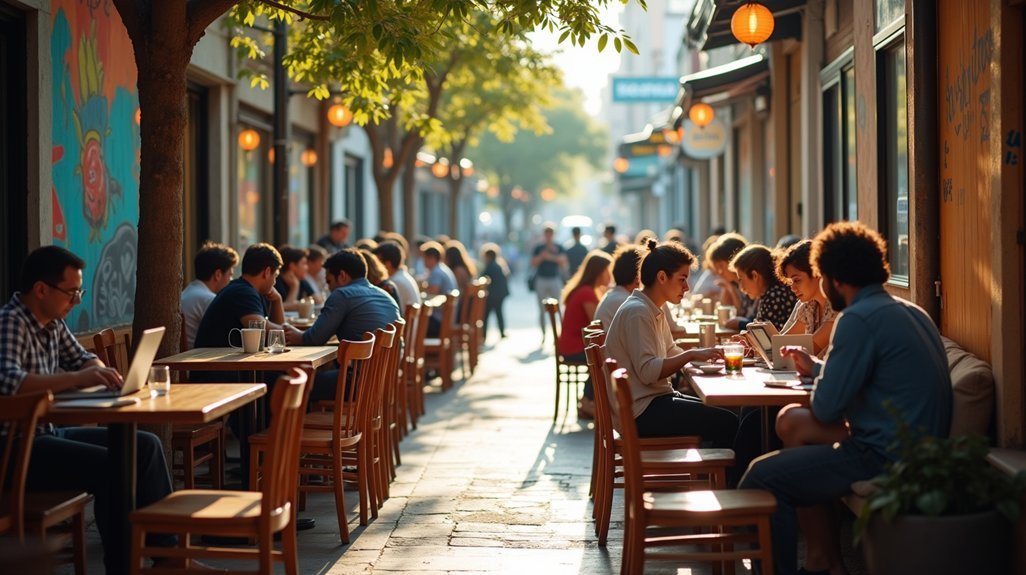
If you’re working remotely, find cozy co-working spaces or charming cafes with reliable internet. I often find myself nestled in a quaint café, the aroma of freshly brewed coffee surrounding me, as I tap away at my laptop.
It’s a perfect blend of productivity and exploration. In fact, Oʻahu’s coworking spaces offer the strongest infrastructure for digital nomads, making it an ideal spot for remote work.
To really live like a local, steer clear of tourist traps. Instead, shop at neighborhood stores for your everyday needs.
You’ll not only save money but also discover authentic products that reflect the local culture. It’s all part of the adventure!
Lastly, don’t forget about energy and water conservation. Being mindful of your usage in rentals can significantly reduce utility fees, leaving more money for exploring.
Little acts of mindfulness can make a big impact on your travel budget.
How I Keep Costs Low As A Digital Nomad
I keep my costs down by embracing a simple, low-key lifestyle that harmonizes with the local rhythm. It’s not the glitzy life some might imagine, but there’s an undeniable joy in simplicity. Budget planning? Sure, it might not be glamorous, but it brings me peace of mind and the freedom to roam.
When I cook with local produce, the vibrant colors and fresh scents bring a slice of the region straight to my plate. I love zipping around town on my bike or hopping on a bus, feeling the pulse of the community around me. Instead of pricey cafes, I find my workspace in cozy community hubs, where the buzz of conversation blends with the aroma of freshly brewed coffee.
And let’s talk about travel insurance—it’s like a warm blanket of security. I’d rather invest a little now than deal with a crisis later. Living like a local isn’t about giving up comforts; it’s about forging connections and showing respect for the culture around me.
| Feeling | Reality |
|---|---|
| Fear of missing out | Joy in simplicity |
| Worry about costs | Confidence from planning |
| Anxiety abroad | Security with solid travel insurance |
In this journey, I’ve learned that the beauty lies not in extravagant experiences but in the richness of the everyday. Each moment spent here, whether it’s savoring a home-cooked meal or sharing a laugh with locals, deepens my appreciation for the places I visit. So, pack those bags and step into the local life—what you find might just surprise you!
Questions I Get All The Time From New Nomads in Hawaii
If you’ve ever wondered how to stretch your budget in beautiful Hawaii without sacrificing the magic of the islands, you’re in the right place! I’m often asked about the best time to visit, how to discover free activities, and where to save money on food, transport, and accommodations.
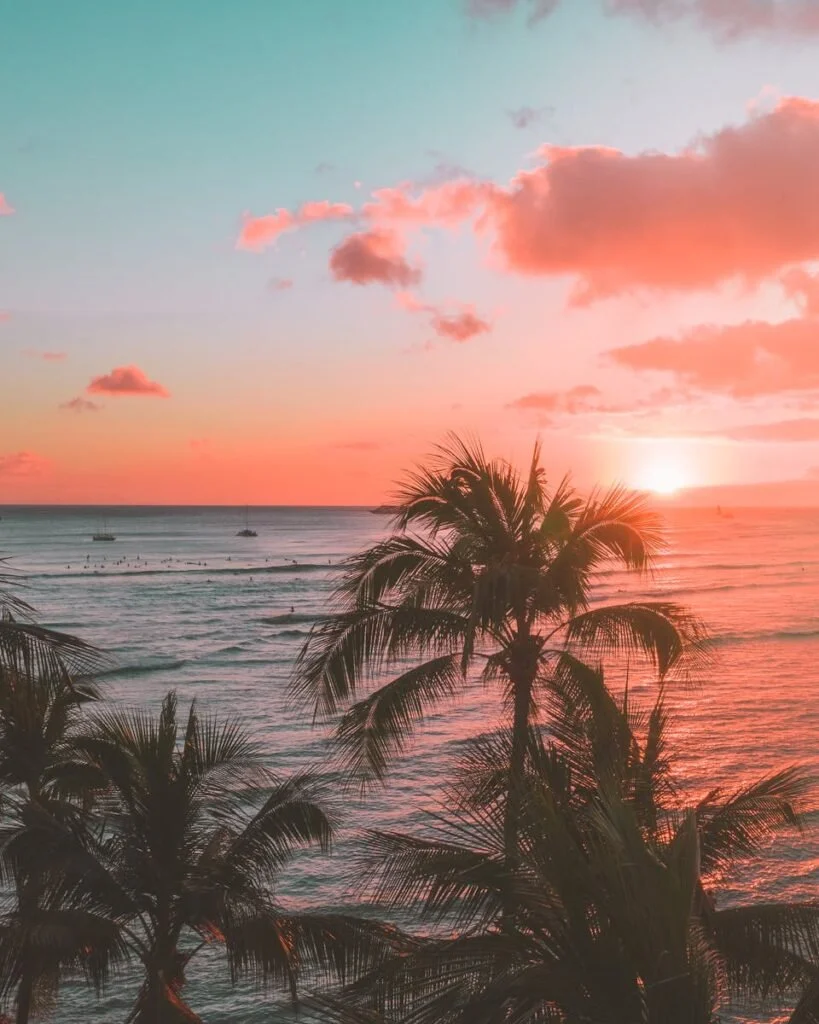
Let’s dive into my favorite tips! First off, timing is everything. Visiting during shoulder seasons can offer not only lower prices but also fewer crowds. Imagine walking along a serene beach, the golden sun setting in a splash of pinks and oranges, with just a handful of other beachgoers to share the moment with.
When it comes to activities, keep your eyes peeled for free local events and natural wonders. Hiking trails often lead to stunning waterfalls or breathtaking viewpoints that don’t cost a dime. Picture yourself standing atop a lush ridge, the ocean sprawling endlessly below—a sight that’s priceless.
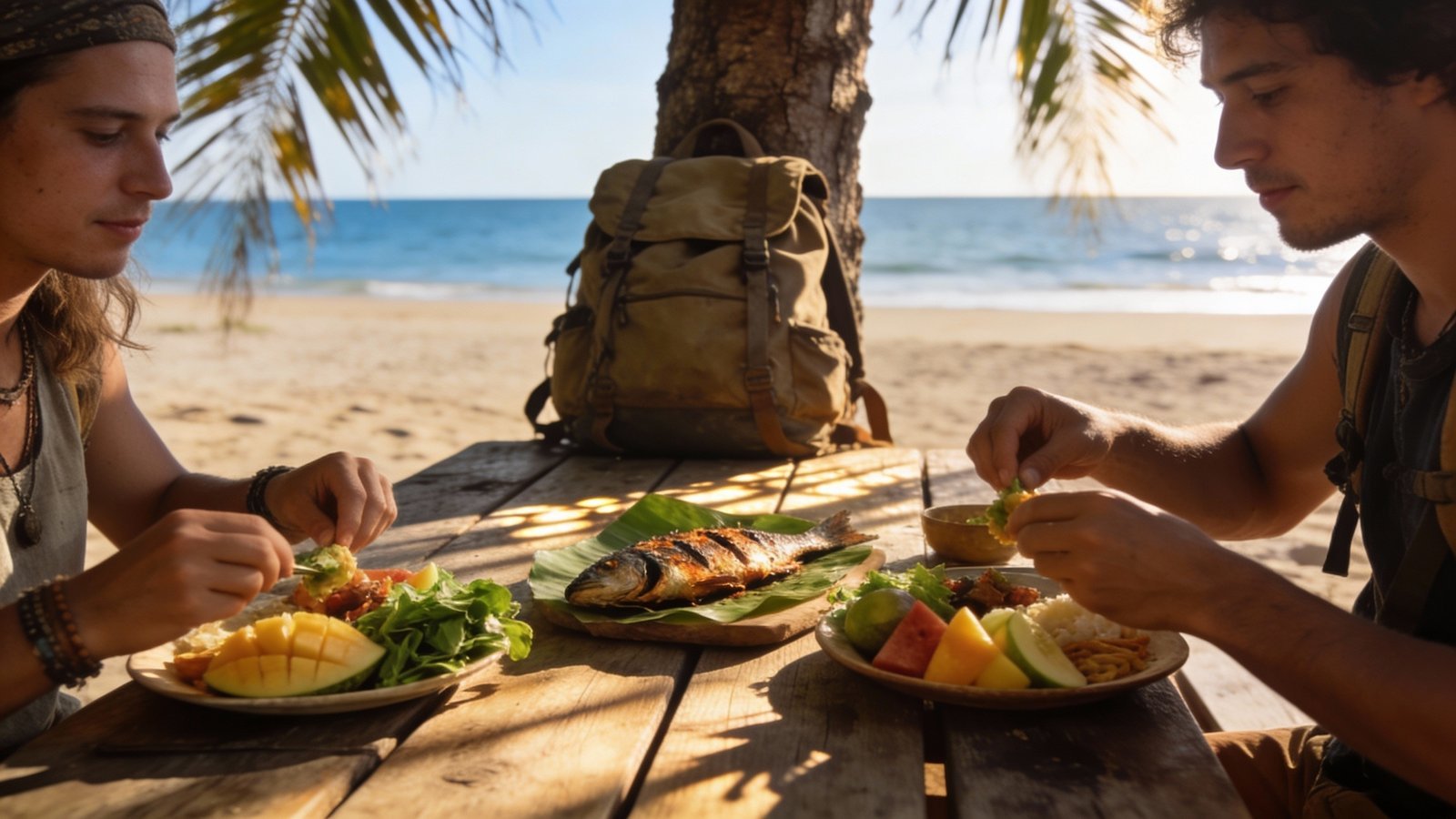
Food is one of the best ways to soak up local culture. Seek out food trucks and local markets for delicious meals that won’t break the bank. Trust me, nothing beats the taste of a fresh poke bowl enjoyed under a palm tree, the sound of waves rolling in nearby.
And for accommodations, consider staying in hostels, guesthouses, or even camping if you’re feeling adventurous. Each option not only saves you money but often introduces you to fellow travelers who can share their own tips and stories.
What’s The Best Time to Visit?
If you’re a nomad with Hawaii on your radar, I’ve got the inside scoop on when to visit. The sweet spot? The shoulder seasons—April to early June and September to November. During these months, you’ll be greeted by fewer crowds, wallet-friendly prices, and still-stunning weather. Trust me, having traveled to these islands year-round, I can assure you that these times offer the perfect blend of sunshine without the surge in costs that peak seasons bring.
Imagine strolling along the beach, the warm sun kissing your skin, and the sound of gentle waves lapping at the shore—all while enjoying an easy-going vibe that doesn’t feel rushed or packed. Summer and winter holidays are a whole different story, though. Those months draw in the masses, driving up Airbnb and flight costs by 30-50%. If you’re working remotely, why not take advantage of the balance that the shoulder seasons offer? You’ll relish the sunshine, savor the space, and enjoy significant savings.
| Time Period | Why It’s Great |
|---|---|
| Apr–Early Jun | Ideal weather, lower rates |
| Sep–Nov | Fewer tourists, good surf |
| Dec–Mar / Jul–Aug | Avoid—peak season pricing |
Skipping the peak season makes stretching your budget a breeze, and it opens up a world of serene exploration. So, pack your bags and get ready for an unforgettable Hawaiian adventure!
What Are Your Favorite Activities To Do There?
You’ve cracked the code on the perfect time to visit—now let’s dive into the treasure trove of free activities that Hawaii has to offer. After spending months here as a digital nomad, I’ve uncovered a world of adventure without having to empty my wallet.
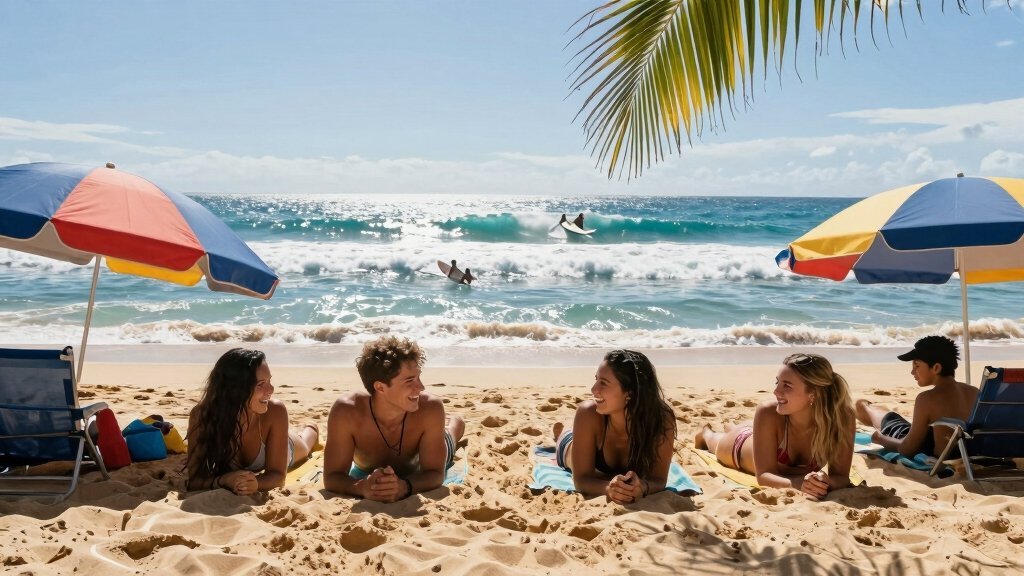
Mornings are my sacred time. Picture this: the sun rising over the horizon, waves gently lapping at the shore, and I’m either swimming, snorkeling, or lost in a good book under the shade of a coconut tree—no tour guide needed. It’s pure bliss.
As the day unfolds, I usually find myself on one of the island’s myriad hiking trails, each more breathtaking than the last. From rugged coastal cliffs to verdant rainforest paths, these trails are gateways to hidden waterfalls and stunning ocean vistas—all waiting to be explored at no cost.
I can’t recommend the Kalalau Trail on Kauai enough; the views are jaw-dropping! And if you’re on Oahu, don’t miss the Makapu’u Tide Pools hike. Just remember to bring plenty of water, wear sturdy shoes, and keep your camera handy.
These experiences are priceless, offering a depth of connection to Hawaii that expensive tours just can’t replicate. Trust me, when it comes to falling in love with this paradise, the best things in life really are free.
How Can I Save On Food In Hawaii, Isn’t It Expensive?
When it comes to saving on food in Hawaii, I’ve discovered three golden nuggets that keep my wallet happy without sacrificing flavor or experience.
First up, farmers markets are my secret weapon. I love waking up early to the vibrant sights and sounds of local vendors setting up their stalls. The fresh produce isn’t only stunning but often half the price of grocery stores! I scoop up juicy mangoes, earthy taro, and creamy breadfruit to whip up simple yet delicious meals that are a feast for the senses.
Next, let’s talk about local cuisine. There’s nothing quite like diving into a plate lunch, a hearty loco moco, or a savory spam musubi. These dishes aren’t just affordable; they’re a celebration of Hawaii’s culinary spirit. I prefer grabbing these delights from local diners or food trucks, where the energy is infectious and the flavors truly shine. It’s an experience that’s as much about the food as it’s about connecting with the local vibe.
Finally, cooking in is a game changer. Most short-term rentals come equipped with a kitchen, which is perfect for a home-cooked meal. I shop like a local, not a tourist, and it’s amazing how much further my food budget stretches when I’m the chef! Plus, it gives me the chance to experiment with those fresh ingredients I picked up at the market.
By embracing farmers markets and local dishes, I’m not just saving money; I’m also immersing myself in the rich culture of Hawaii. Each meal becomes a story, a connection to the land and its people, making my culinary journey all the more enriching.
Is Cheap Transportation Available?
Exploring Hawaii on a budget can be an adventure in itself, and it all starts with the right questions. Should I rent a car, or is public transport enough? Is ride sharing the more economical choice? After months soaking up the sun and culture here, I’ve found a sweet spot that balances convenience and cost.
On Oahu, I’ve become a fan of TheBus—reliable, efficient, and at just $2.75 a ride, it’s a steal! It’s a great way to immerse yourself in the local vibe, surrounded by the chatter of fellow travelers and the gentle hum of the island. However, if you’re venturing beyond the main hubs, public transport can be a bit sparse. In those cases, I love using ride sharing apps like UberPOOL or Lyft Shared. Splitting the fare with others makes it significantly cheaper than going solo, and you might even make a new friend along the way!
Here’s a quick breakdown of my go-to transport methods:
| Method | Avg. Cost | Best For |
|---|---|---|
| Public Transport | $2–$5 | Daily commutes |
| Ride Sharing | $10–$25 | Short, flexible trips |
| Rental Car | $50+/day | Island exploration |
| Bike Rental | $15–$20 | Local sightseeing |
| Walking | Free | Beach towns, cities |
Accommodation Hacks
Now that we’ve navigated the ins and outs of budget-friendly travel, let’s dive into where you’ll lay your head at night. I’ve explored countless options, and trust me—alternatives to traditional hostels, like co-living spaces or homestays, can be a game changer.
Picture this: cozy shared houses on Oahu, complete with high-speed Wi-Fi and fully-equipped kitchens, all for under $40 a night. It’s not just affordable; it feels like home.
If your stay is a bit longer, vacation rentals can be a fantastic choice. I always use filters to find places that cater to remote work, making those extended stays even more enjoyable.
Don’t hesitate to negotiate weekly rates! Booking early and steering clear of the resort zones can really keep those costs low, too.
I even had the incredible experience of house-sitting on the Big Island for free! Just remember to read the fine print—some “deals” come with sneaky hidden fees that can surprise you.
For the best finds, stick to local platforms or Facebook groups where the real gems are often hiding.
These hacks have consistently kept my lodging expenses under $800 a month, proving that you don’t need a resort to soak up the beauty of Hawaii.
Summary
Living as a nomad in Hawaii has been an eye-opening experience, and I’m here to tell you that saving money while soaking up the island vibes is absolutely possible. Picture this: the sun-drenched beaches, the salty breeze rustling through palm trees, and the vibrant colors of fresh local produce at the market. Instead of splurging on fancy restaurants, I whip up delicious meals using those fresh ingredients. There’s nothing quite like a homemade poke bowl enjoyed with the sound of crashing waves in the background.
I’ve also discovered that skipping the pricey rides can lead to unexpected adventures. Exploring the islands on foot or by bike allows me to connect with local culture in a way that a car never could. I’ve stumbled upon hidden gems, from charming cafes to serene viewpoints, just by wandering off the beaten path.
Traveling off-season has been a game changer for my budget. The islands are less crowded, the prices drop, and I get to experience a more authentic slice of island life. Plus, joining local groups has opened up a world of new friendships and insider tips. I’ve met fellow travelers and locals who share their favorite spots, from the best snorkeling beaches to the coziest places to watch the sunset.
Honestly, with a bit of creativity and the right mindset, I’m living my island dream without draining my wallet. It’s all about spending wisely and embracing the beauty of simplicity. So, pack your bags and get ready to dive into the enchanting world of Hawaii—your wallet will thank you!