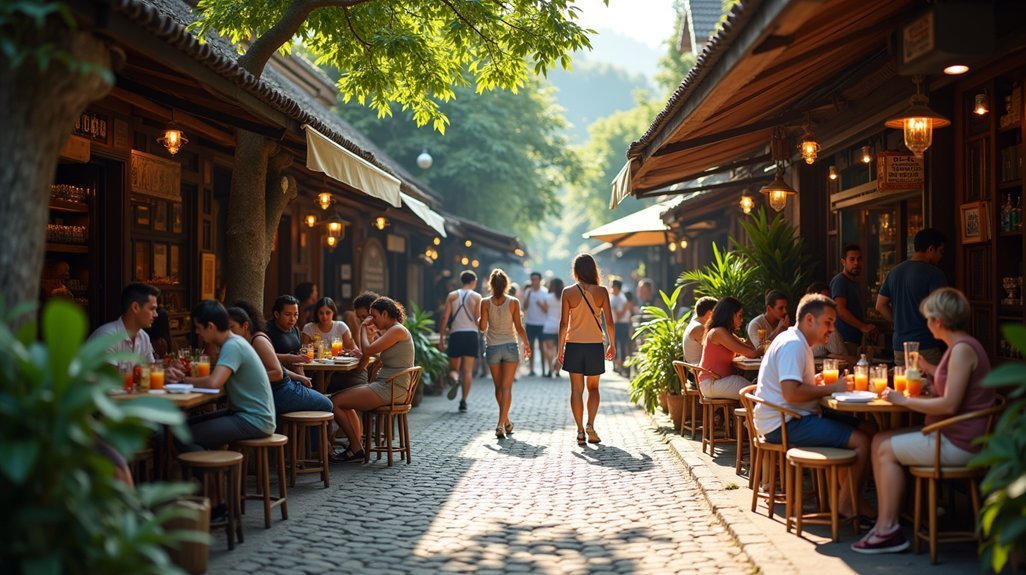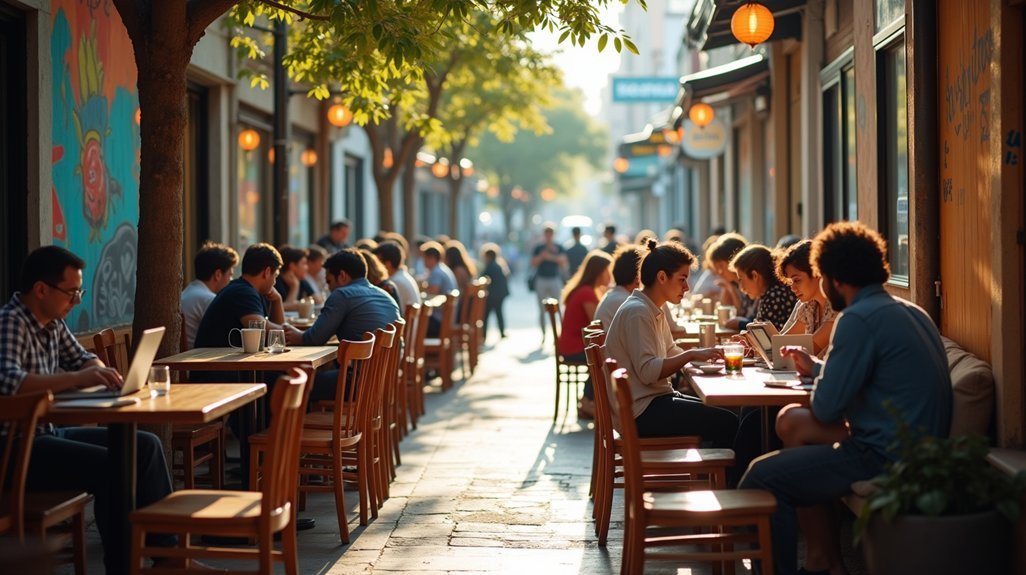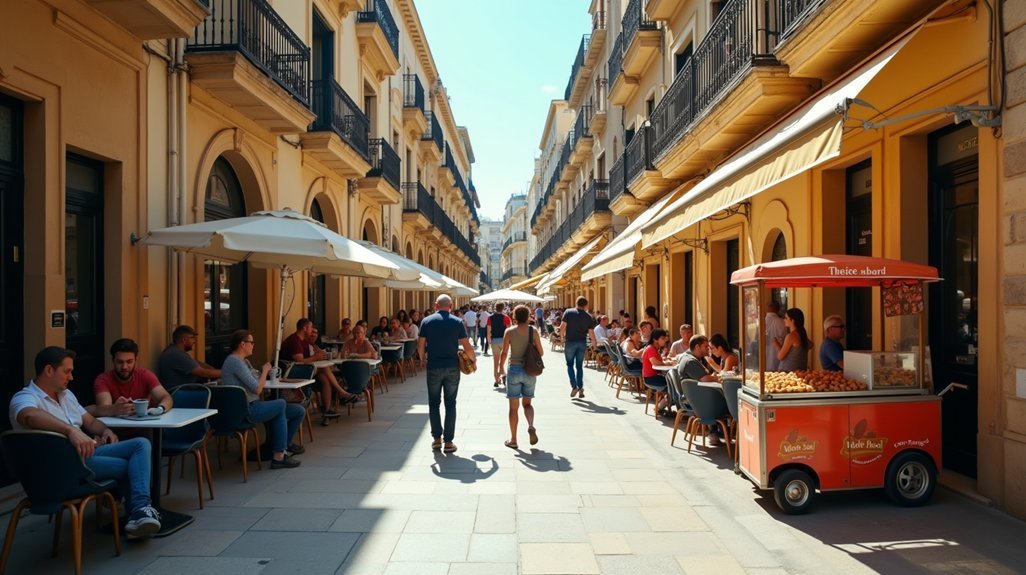
After years of exploring as a digital nomad, I’ve settled on three standout cities.
Lisbon offers European charm with affordable living and excellent coworking spaces. It’s a vibrant city that balances work and leisure seamlessly.
Chiang Mai provides unbeatable value, with monthly living costs ranging from $800 to $1000, and fast Wi-Fi available everywhere. This city is a haven for those looking to stretch their budget without sacrificing connectivity.
Medellín boasts perfect year-round weather and ultrafast internet. It’s an ideal spot for productivity while immersing yourself in a rich cultural scene.
Each of these destinations balances work productivity with unique cultural experiences. Discover why they might be your perfect next nomad base!
Key Takeaways
- Lisbon provides an affordable European lifestyle, complete with stylish coworking spaces and reliable internet. The city is home to a thriving expat community, making it easy to connect with like-minded individuals.
- Chiang Mai is known for its extremely low cost of living, typically ranging between $800 and $1000 monthly. With fast Wi-Fi and plentiful affordable housing options, it’s a favorite among digital nomads.
- Medellín boasts spring-like weather throughout the year, making it a pleasant place to live. The city features ultrafast fiber internet and an expanding network of professional coworking spaces to meet the needs of remote workers.
- When selecting your destination, keep in mind the visa restrictions. Portugal offers nomad visas that last between 1 to 2 years, while Thailand generally limits stays to 2 to 3 months.
- Internet reliability can differ by location. Both Chiang Mai and Lisbon excel in this area, while Medellín may face connectivity issues during periods of heavy rainfall.
Lisbon: Where Culture Meets Digital Nomad Community

After spending three months working from Lisbon last year, I can confidently say it’s earned its place at the top of my list.
The city strikes that perfect balance of affordability and European charm while hosting a thriving expat community.
What truly won me over was how I could hop between stylish coworking spaces in the morning and savor local cuisine by afternoon.
Don’t miss the pastéis de nata at Manteigaria before heading to work!
The reliable internet and friendly locals who speak English made settling in effortless.
Lisbon is truly a gem for digital nomads looking for an inspiring environment, especially for those who appreciate a strong digital nomad community.
Chiang Mai: Affordable Living With Yoga or Nightlife
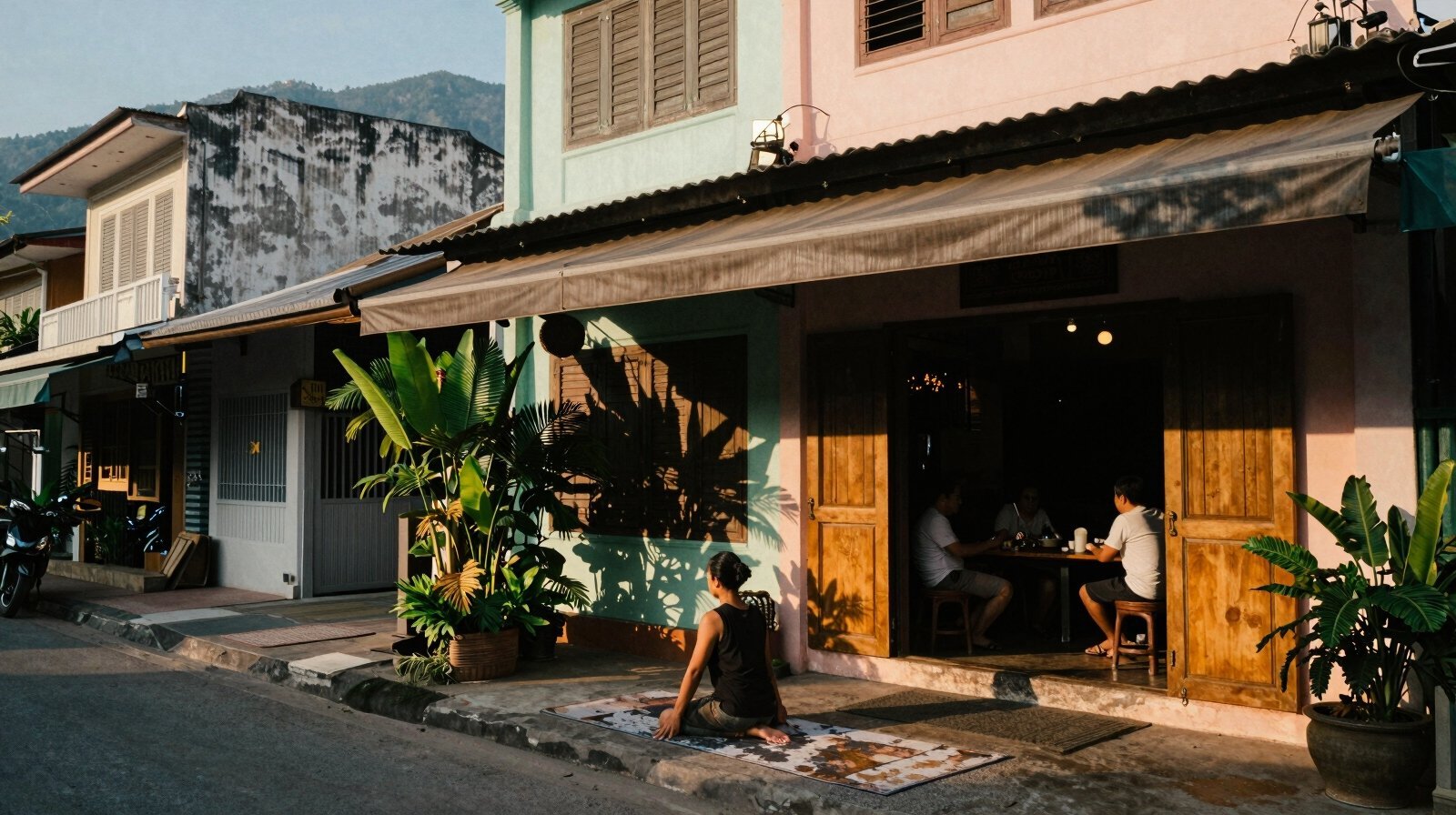
While Lisbon captivated me with European charm, Chiang Mai offers a completely different but equally compelling experience for digital nomads. The cost of living here is remarkably low, allowing you to stretch your budget further.
In Chiang Mai, you’ll find a variety of options tailored to your needs. For workspace, there are fast Wi-Fi cafés and co-working hubs that cater to remote workers.
Housing is also affordable, with apartments available for $300-500 a month.
When it comes to food, street vendors offer delicious meals for just $1-3, while restaurants provide options ranging from $5-10.
The wellness scene is thriving, with numerous yoga retreats and meditation centers available to help you unwind.
As the sun sets, Chiang Mai transforms. The nightlife is vibrant, featuring hotspots and bustling night markets that create a lively atmosphere.
I’ve found the perfect balance here—peaceful mornings at yoga retreats followed by productive afternoons and evenings filled with exploration. Affordable neighborhoods in Hawaii also provide unique opportunities for remote workers, enhancing your nomadic journey with a blend of culture and community.
Medellín: Perfect Weather, Fast Internet, and Growing Community
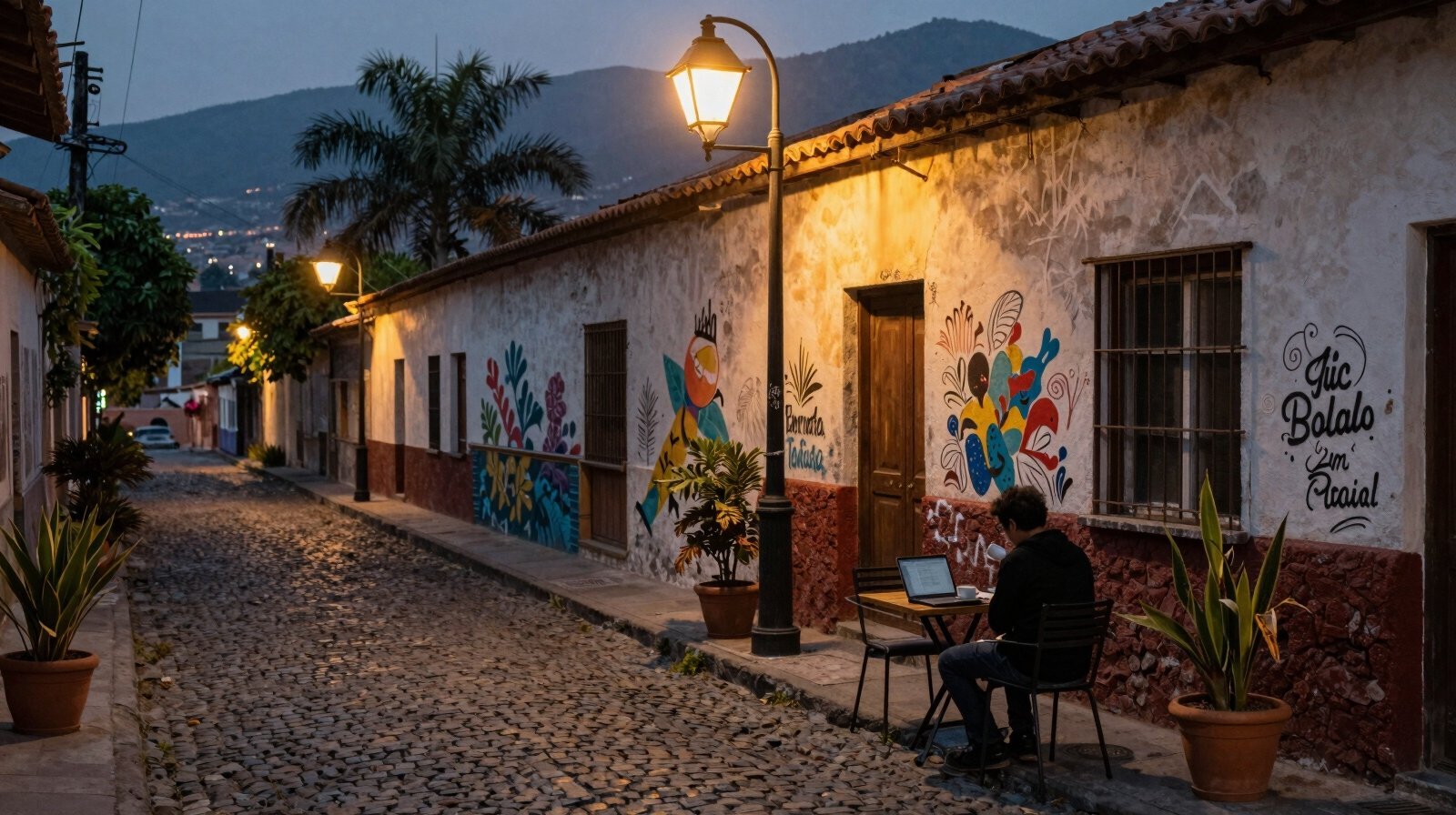
When I first arrived in Medellín three years ago, I quickly realized why Colombia’s second-largest city has become a digital nomad hotspot. The perfect year-round spring climate, paired with ultrafast fiber internet, creates an ideal environment for remote work.
What keeps me coming back? The vibrant coffee culture, where cafés serve as workspaces in every neighborhood.
Professional coworking spaces like Selina and Nómada offer affordable monthly packages that cater to various needs. Additionally, these spaces provide enhanced productivity with inspiring surroundings and ergonomic furniture, making them perfect for digital nomads.
The “eternal spring” climate means no AC is needed, making it comfortable year-round. Additionally, the growing expat community regularly organizes meetups and networking events, fostering a sense of belonging.
The city’s transformation is remarkable, evolving from a troubled past into an innovation hub that attracts talent from around the world.
Frequently Asked Questions
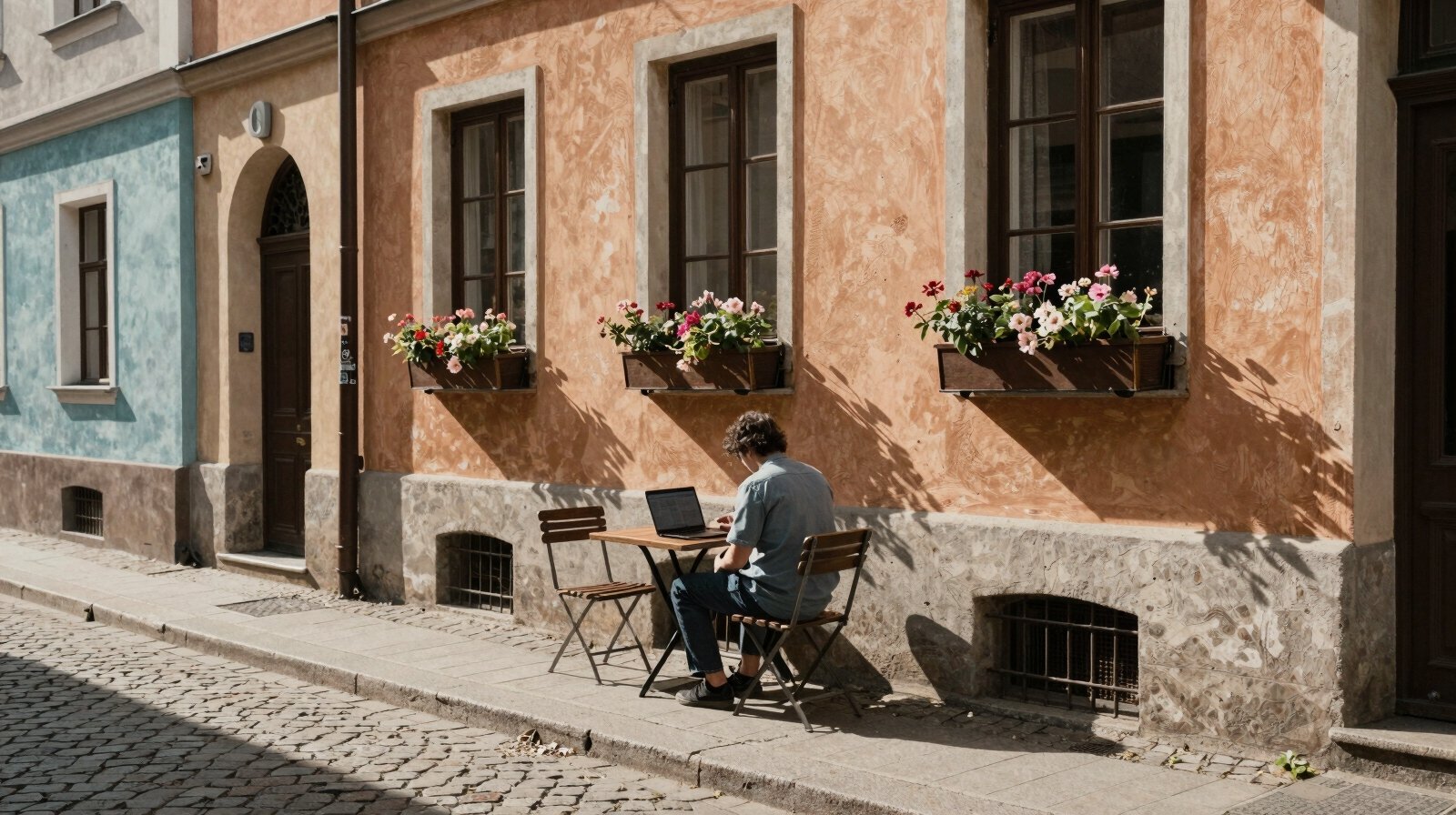
I receive a lot of questions about nomad life that go beyond just location recommendations.
Let’s explore some common concerns that many digital nomads face.
Cost of living is a major factor that can influence your experience. Understanding how much you need to budget for essentials can help you make informed decisions.
Visa requirements are also crucial. Different countries have varying regulations, and knowing these can save you from potential issues.
Internet reliability is essential for remote work. It’s important to research connectivity options in your chosen location to ensure a smooth work experience.
Building a community while on the road can be challenging, but it’s vital for support and social interaction. Engaging with local groups or fellow nomads can help foster connections.
Lastly, knowing when it’s time to move on is key. Trust your instincts and pay attention to how you’re feeling about your current location to determine the right moment to explore new horizons.
Cost of Living
Since budget considerations top the list for most digital nomads, let’s tackle the common questions about living costs in popular remote work hubs.
I’ve tracked my local expenses meticulously across multiple continents to give you realistic expectations.
Chiang Mai remains the value champion, with all-in costs ranging from $800 to $1000 monthly. This makes it a top choice for those looking to stretch their budget.
Lisbon offers Western amenities with housing options starting around €600 per month. It provides a blend of culture and comfort for remote workers.
Mexico City provides vibrant living with mid-range budgets between $1200 and $1500. The city’s lively atmosphere is appealing to many digital nomads.
Bali’s pricing varies drastically. Beachfront luxury and inland bargains can differ by as much as 300%, catering to diverse preferences.
Your income requirements depend entirely on lifestyle choices.
I’ve lived comfortably in each location while saving for future adventures.
Visa Requirements
The three most common visa questions I receive through my blog concern duration limits, work permissions, and application processes.
Each country handles digital nomads differently. Portugal and Estonia offer specific nomad visas allowing stays of 1-2 years. In contrast, Thailand’s tourist visa typically permits only 2-3 months.
Understanding visa types is essential. Tourist visas usually prohibit work, while proper digital nomad or freelancer visas legally allow remote work.
The application process can vary significantly by country. Some nations require proof of income ranging from $2,000 to $3,000 per month, along with health insurance and background checks.
Always research requirements at least three months before your planned move.
Internet Reliability
After securing your visa, reliable internet becomes your next priority as a digital nomad.
I’ve learned that connection stability can make or break your workday.
Most cities I recommend have average internet speeds above 50 Mbps. However, individual cafés and accommodations can vary greatly in quality.
Chiang Mai consistently offers excellent WiFi in most coworking spaces.
Lisbon has made massive infrastructure improvements, with fiber connections widely available.
Medellin can struggle during heavy rain, so always have a backup hotspot ready.
Canggu boasts fast speeds, but plan for occasional power outages that can affect connection stability.
Community or Isolation?
Whether you crave social connection or solitary productivity, finding the right balance is a common concern for aspiring digital nomads.
Every city offers different community engagement opportunities. For instance, Chiang Mai and Lisbon thrive with coworking spaces and meetups, while Tokyo can feel isolating, even amidst its crowds.
I’ve encountered loneliness challenges everywhere, including socially vibrant Medellín. My solution has been to schedule both intentional social time and focused work periods.
Join local Facebook groups before your arrival, attend digital nomad events, and don’t hesitate to strike up conversations with locals.
Remember: community is what you make it.
When to Move On
How long should you stay in one place?
I’ve found that 1-3 months works best, but the real answer depends on your personal rhythm.
Pay attention to these signs that it’s time to shift:
- Productivity drops, and you’re spending more time in your apartment than exploring.
- You’ve checked off your local bucket list, and excitement has waned.
- Visa limitations or seasonal changes make staying impractical.
- Your emotional readiness signals it’s time for new inspiration.
Trust your instincts.
The beauty of nomad life is flexibility—move when it feels right, not when the calendar dictates.
Summary
After three years on the road, I’ve found that Lisbon, Chiang Mai, and Medellín offer the perfect balance of connectivity, community, and culture for a sustainable digital nomad lifestyle.
While your ideal city might differ from mine, the key is to discover places that energize both your work and your spirit.
I hope my experiences inspire you to explore your own remote working havens in this wonderfully connected world.