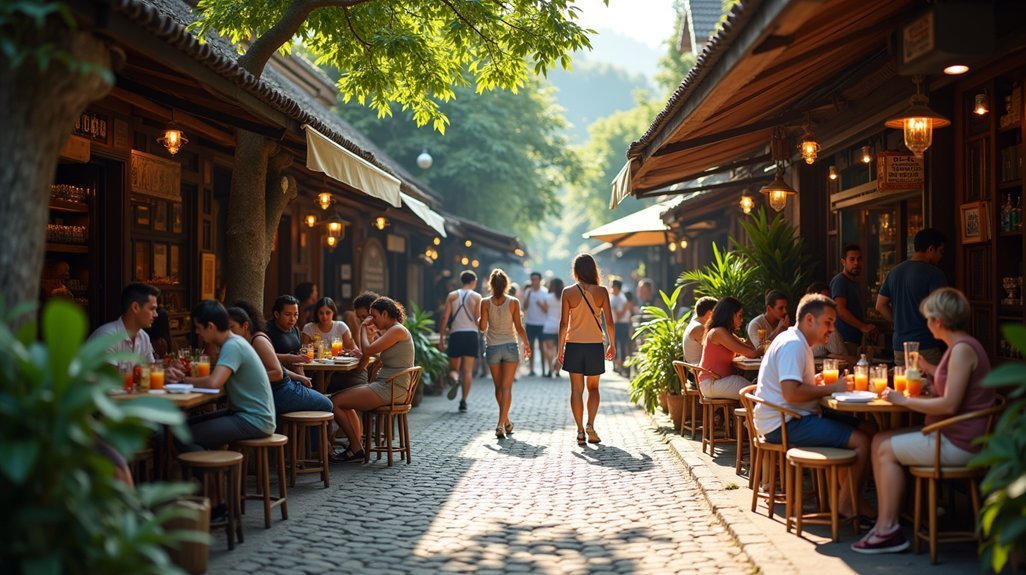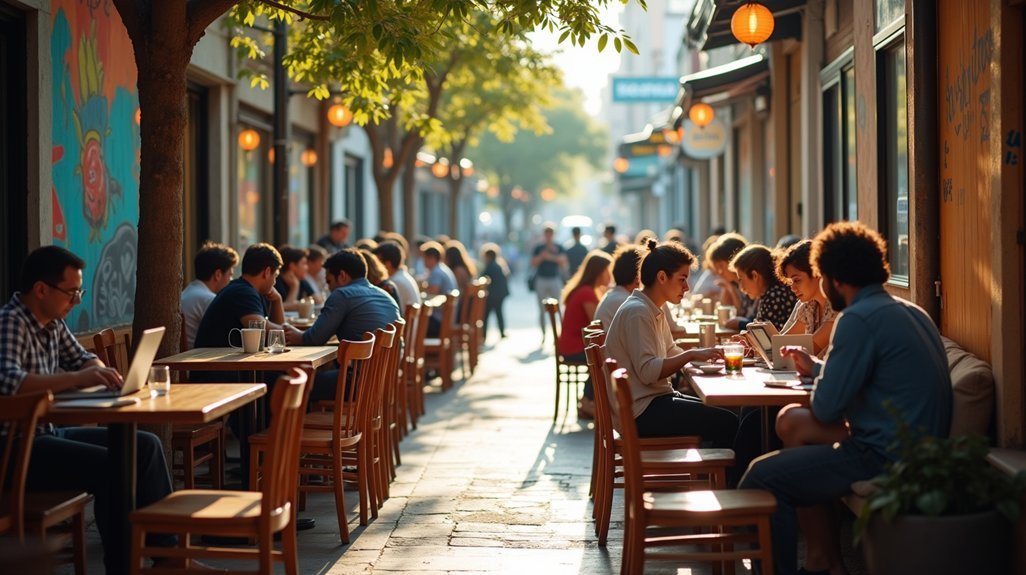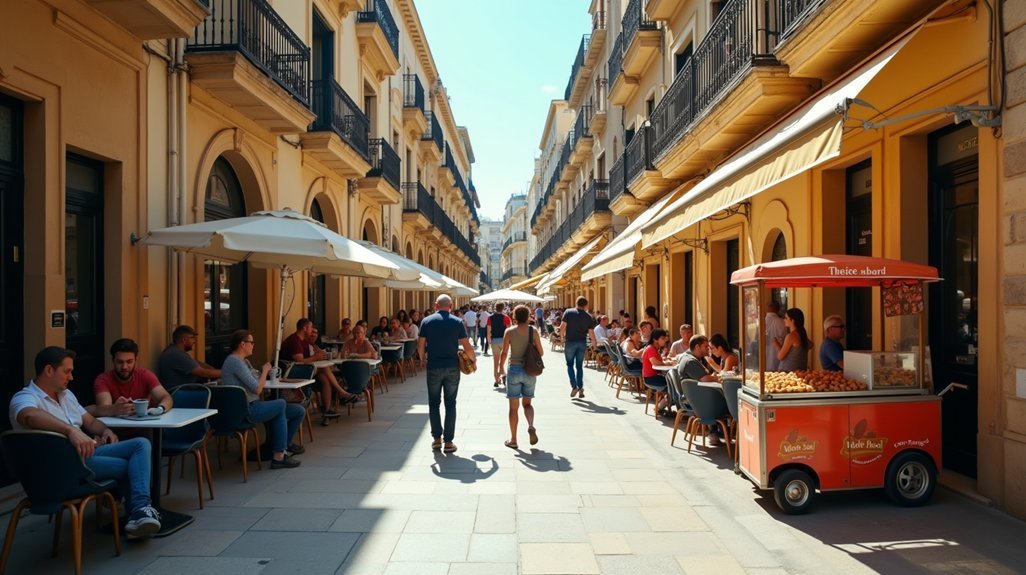
Thriving as a digital nomad requires more than just a laptop and wanderlust. Choosing secondary cities over tourist hotspots can save you money while providing authentic experiences.
It’s essential to build a six-month emergency fund. Additionally, research visa requirements and secure reliable internet backup solutions.
Joining location-based communities can offer valuable support. Embrace slow travel by staying in one place for 3+ months.
Maintaining health insurance with evacuation benefits is crucial. Lastly, developing long-term financial plans ensures you’re prepared for the journey ahead.
The adventure awaits with proper preparation and adaptability.
Key Takeaways
- Opt for secondary cities instead of popular tourist hotspots. This choice not only offers authentic experiences but also helps you save on costs while ensuring reliable infrastructure for remote work.
- Pay attention to global weather patterns. Avoid extreme conditions and plan your destinations several months ahead to ensure a comfortable living experience.
- Establish a six-month emergency fund. Automate your savings transfers and explore location-independent investment strategies to secure your financial future.
- Investigate the requirements for digital nomad visas and understand your tax obligations. Consulting with specialists is essential to maintain compliance as you move across borders.
- Obtain global health insurance that includes evacuation benefits. Additionally, create a plan for accessing medications, ensuring you have a three-month supply on hand.
Choose Secondary Cities Over Tourist Hotspots
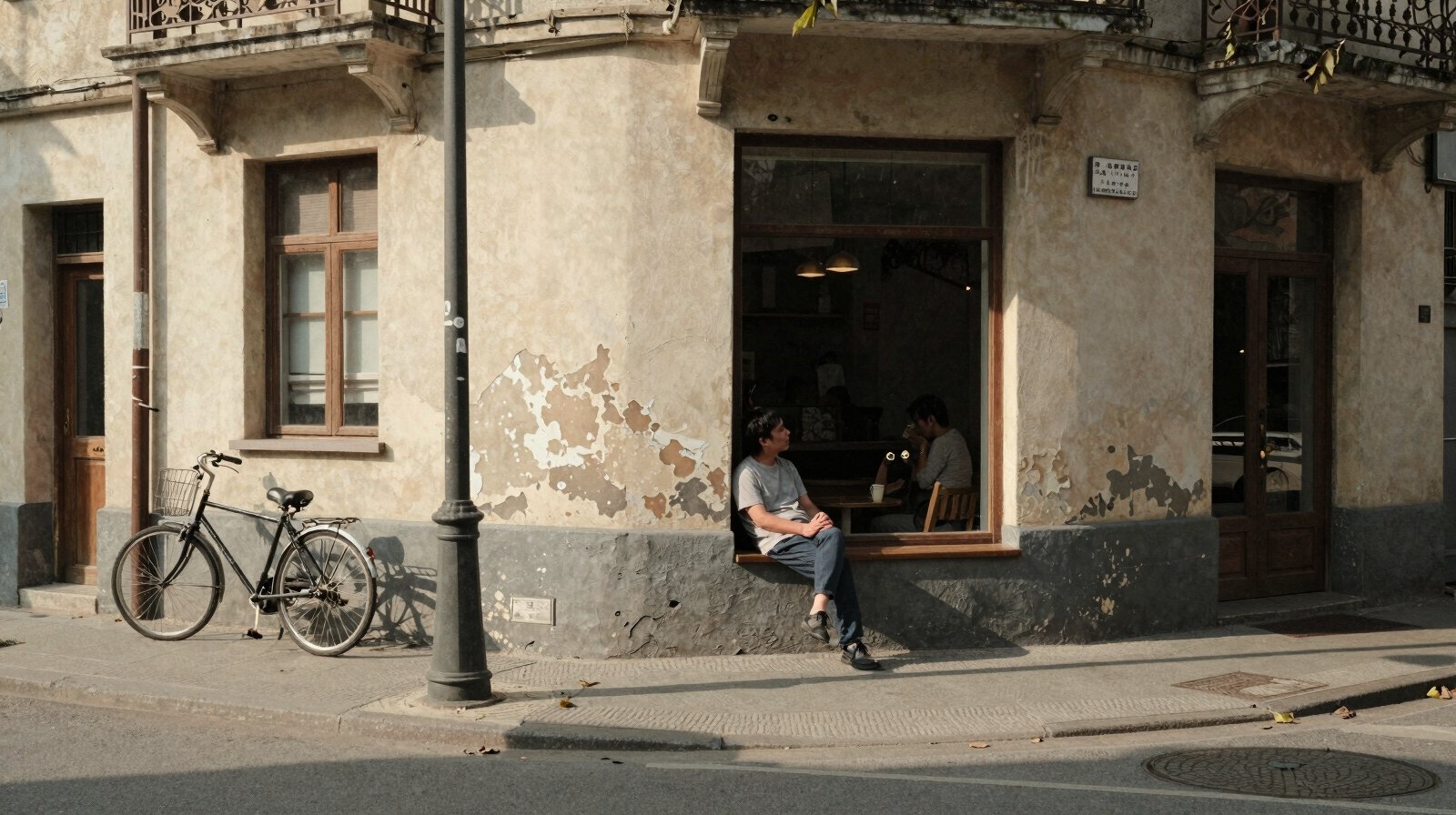
While everyone flocks to Barcelona and Paris, I’ve discovered the true magic of nomadic living in places like Valencia and Lyon.
These secondary cities offer the perfect balance—you get authentic local culture without the tourist markup.
In Valencia, I rented a spacious apartment for half what I’d pay in Madrid.
Beyond affordable living, these places provide genuine connections. Shop owners remember your name, and you’re a neighbor, not a visitor.
You’ll find reliable infrastructure for remote work with fewer crowds competing for café tables.
Plus, your budget stretches further, letting you stay longer and truly experience life like a local. For those considering a tropical escape, islands like Oʻahu provide strong connectivity and a vibrant nomad community.
Embrace the “Slowmad” Approach With 3+ Month Stays
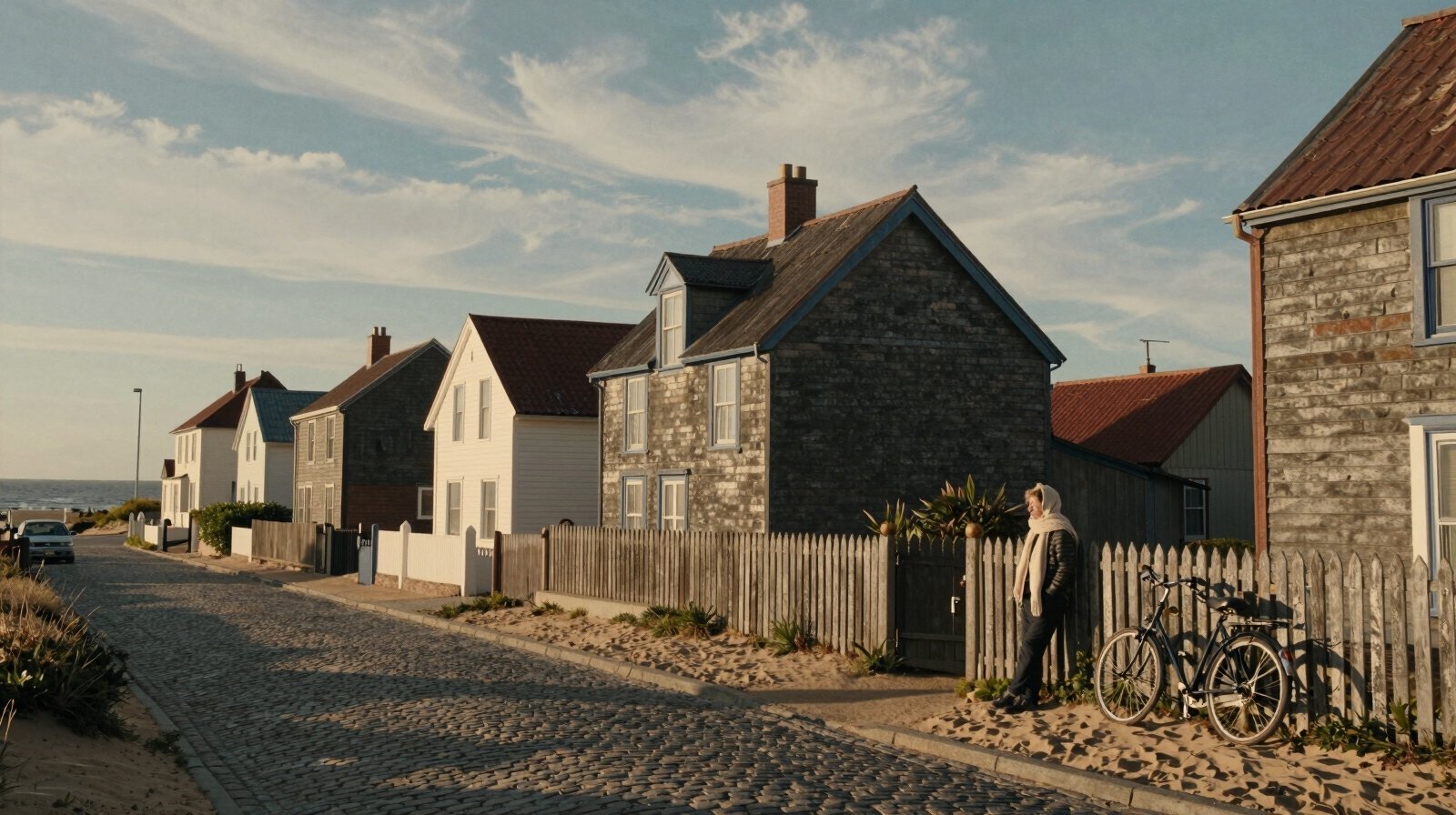
After discovering these hidden gem cities, I’ve realized that the duration of my stay is just as important as the destinations themselves.
I’ve fully embraced the “slowmad” approach, committing to at least 3 months in each location.
The benefits of slowmad living are significant. I enjoy deeper cultural immersion, lower monthly accommodation costs, and a welcome reduction in travel burnout.
Establishing routines, discovering favorite cafés, and completing projects are all possible without the constant hassle of packing and unpacking.
Building community naturally occurs when I’m not in a rush. I’ve joined local language exchanges, coworking spaces, and weekend hiking groups.
These connections would have been unattainable during brief visits.
Slow travel isn’t only more sustainable; it’s also incredibly fulfilling. In places like Oahu, the growing digital nomad community offers valuable networking opportunities that enhance the experience.
Build a Six-Month Emergency Fund Before Departing

Before embarking on my nomadic adventure, I made it a priority to build a six-month emergency fund. This choice has spared me countless sleepless nights, providing peace of mind as I travel. Effective budgeting for nomads truly begins with this crucial financial safety net.
Here’s a breakdown of my expenses:
| Expense Category | Monthly Cost | 6-Month Total |
|---|---|---|
| Housing | $800 | $4,800 |
| Food | $400 | $2,400 |
| Insurance | $150 | $900 |
| Transportation | $200 | $1,200 |
| Miscellaneous | $150 | $900 |
To grow my emergency fund, I focus on strategies like automating transfers to a high-yield savings account. Additionally, I calculate my true minimum expenses to ensure I’m financially prepared. Take your time with this step—your future self will be grateful when unexpected situations arise.
Research Digital Nomad Visa Requirements and Tax Implications

Understanding visa requirements and tax obligations has been one of the most complicated aspects of my nomadic lifestyle. Many countries now offer specific digital nomad visas, including Portugal, Croatia, and Estonia.
These visas allow longer stays than tourist visas if you can prove remote income.
Don’t overlook tax obligations. You’ll typically still owe taxes in your home country while potentially facing taxation in your host country too.
I recommend consulting an international tax specialist before departing to navigate these complexities.
To help manage my obligations, I use tools like Taxomate to track my location days and maintain proper documentation.
Trust me, staying compliant beats dealing with fines or being banned from countries you love.
Invest in Reliable Mobile Internet Backup Solutions

When internet connection fails during a client meeting or right before a deadline, your nomadic lifestyle can quickly turn from dream to nightmare.
I’ve experienced this firsthand, which is why I never travel without at least two backup internet solutions.
My essentials include a reliable mobile hotspot and local SIM cards for each country I visit.
After comparing data plans across providers in over 30 countries, I’ve learned that unlimited packages aren’t always the best value. Often, pay-as-you-go options provide better coverage in remote areas.
Don’t skimp on your connectivity solutions—consider them insurance that’s worth every penny.
When your income relies on being reliably online, having dependable backup options is crucial. Reliable internet connection is essential for remote work success, as unreliable Wi-Fi can interrupt important work moments.
Establish a Consistent Remote Work Routine Across Time Zones

Once your connection is reliable, maintaining consistent work hours becomes your next challenge. Time zones can wreak havoc on your productivity if you’re not careful. Establishing fixed work blocks—regardless of location—keeps you accountable and helps clients know when to reach you.
To manage your time effectively, consider using calendar blocking. This method allows you to allocate specific time slots for tasks. Pair that with 90-minute focus sessions, and you’ll find yourself working efficiently.
Utilize time zone converters to ensure you’re aware of the different time frames. Focus apps can also aid in minimizing distractions. Establishing a consistent wake time can set the tone for your day.
I sync my primary working hours with my most important clients or team members, then protect that time fiercely. This structure provides stability amid changing scenery and helps prevent burnout—my biggest enemy as a digital nomad.
Create a Sustainable Health Insurance and Medical Care Strategy
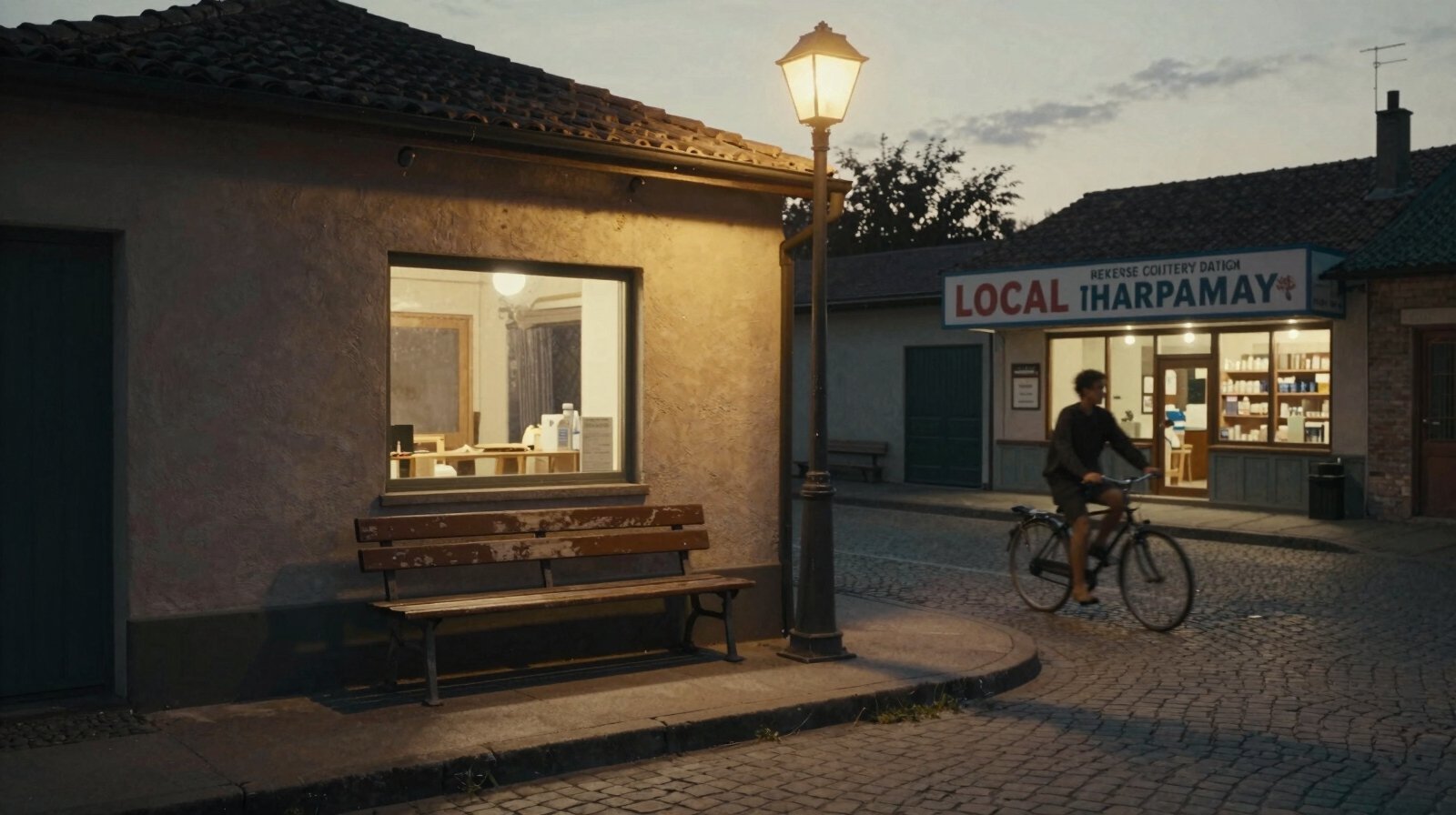
I’ve learned the hard way that nomadic health planning requires extensive global insurance coverage and a medication strategy.
When I first started traveling, I mistakenly assumed my domestic coverage would protect me abroad. This costly error left me paying out-of-pocket for an emergency in Thailand.
Now, I maintain international health insurance with evacuation benefits.
I also keep a detailed plan for accessing my regular medications in different countries. This includes knowing local pharmacy systems and carrying the proper documentation.
Establish Global Coverage
Many nomads overlook health insurance until an emergency strikes. However, securing extensive global coverage should be your top priority before embarking on a nomadic lifestyle.
I learned this lesson the hard way after a hiking accident in Thailand left me with a $4,000 bill.
I recommend looking for plans specifically designed for digital nomads. These should include evacuation services.
When researching options, be sure to check for coverage gaps in the countries you plan to visit.
Also, don’t forget about global mobile coverage and international SIM cards. They’re essential for accessing telehealth services and locating medical facilities in emergencies.
Medication Access Plan
Managing medication access while traveling can be quite challenging, especially beyond just insurance coverage. I always keep a three-month supply of essentials and ensure medications are stored properly—away from heat and humidity, in sealed containers with their original labels.
Before I travel to a new country, I research local pharmacy options and the availability of medications. Since many prescription drugs have different names abroad, I always carry the generic name and dosage information with me.
For my temperature-sensitive medications, I invested in a small travel cooler. Planning ahead has truly saved me countless headaches—both literally and figuratively—when it comes to maintaining my health routine on the road.
Join Location-Based Communities for Support and Networking
When traversing unfamiliar terrain as a digital nomad, finding your tribe is essential for both professional growth and personal sanity. Connecting with incredible people through local meetups and online forums specific to your destination cities can make a significant difference.
These communities provide everything from emergency contacts to business opportunities.
Consider utilizing Nomad List forums for city-specific advice before your arrival. Joining Facebook groups dedicated to expats in your current location can also be beneficial.
Additionally, coworking spaces often host networking events, creating further opportunities for connection.
Don’t overlook platforms like Meetup.com for interest-based gatherings, whether it’s hiking, photography, or language exchange. These connections can quickly transform an unfamiliar place into a temporary home.
Select Destinations With Year-Round Outdoor Activity Access
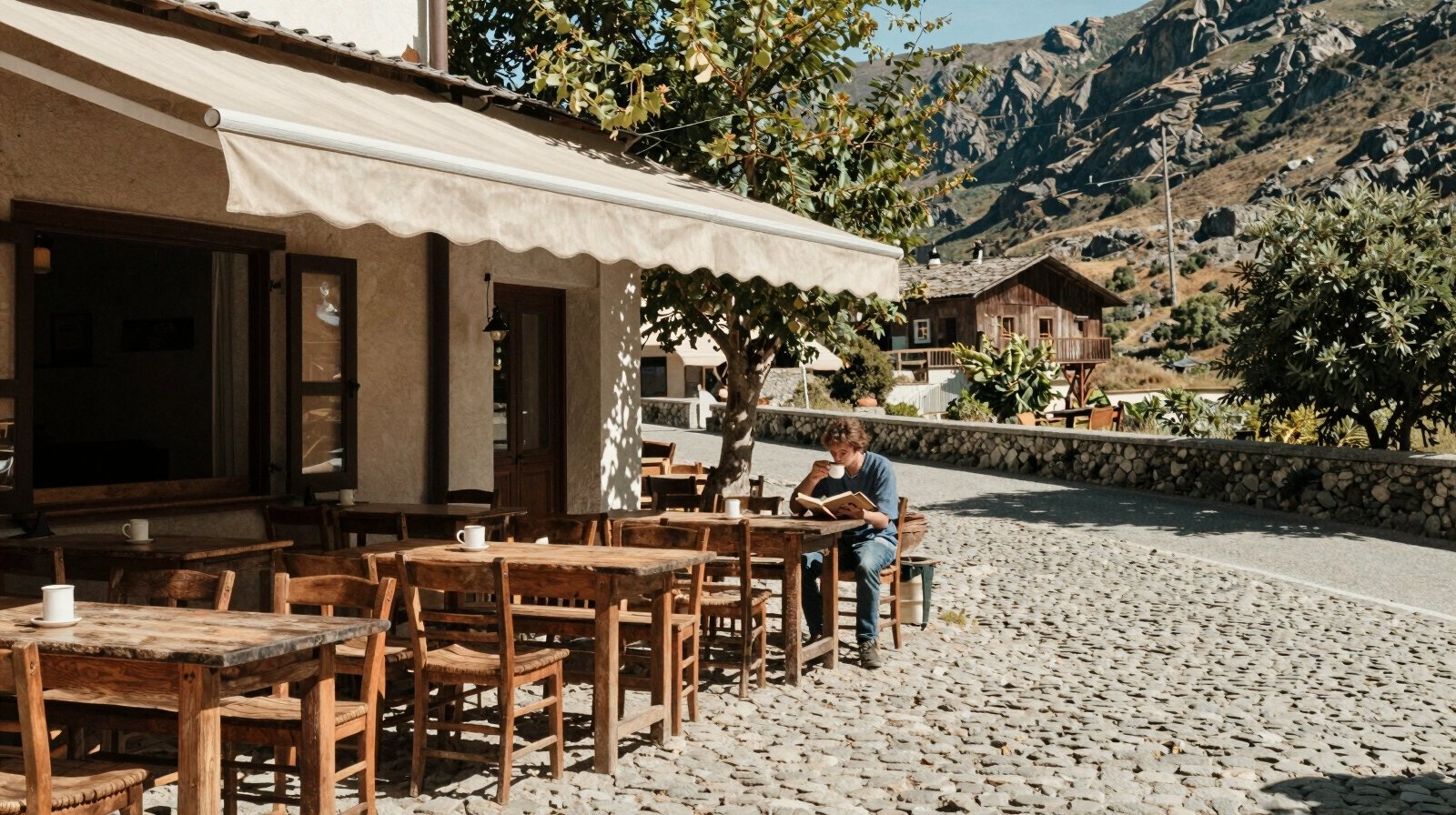
I’ve found that rotating between destinations based on weather patterns gives me year-round access to hiking trails, beaches, and outdoor adventures without enduring extreme seasons.
My productivity and wellbeing skyrocket when I prioritize accommodations within walking distance of parks, trails, or waterfront areas.
Selecting locations with a consistent climate and abundant natural spaces creates a sustainable nomadic lifestyle that balances work with outdoor activities that refresh your mind.
Weather-Driven Destination Rotation
After enduring snowstorms in Montreal and stifling humidity in Bangkok during unfortunate seasons, I’ve developed a strategic approach to nomadic movement known as “weather-driven destination rotation.”
This means I select locations based on their climate patterns, allowing me to enjoy outdoor activities year-round without interruptions from the weather.
My seasonal strategies involve careful tracking of climate conditions months in advance. I aim to follow spring and fall temperatures around the globe, a practice I call “shoulder season chasing.”
This helps me rotate between hemispheres to maintain comfortable temperatures of 65-80°F (18-27°C).
I also avoid monsoon and hurricane seasons by timing my travels strategically.
Additionally, I plan visits to high-altitude destinations during summer months when lowland areas can become excessively hot.
This approach ensures I can maximize my travel experiences throughout the year.
Nature-Accessible Accommodation Priorities
In addition to my weather-driven movement strategy, I’ve discovered that the location of accommodations is equally important to climate patterns. I focus on nature-inspired retreats that are within walking distance of outdoor spaces, which helps me maintain my sanity during busy work periods.
I categorize my preferred lodging options by region. In cities, I seek co-living spaces with gardens that are close to urban parks and waterfront trails.
In the mountains, solar-powered cabins are ideal, as they offer access to hiking trails and climbing routes.
For coastal getaways, off-grid beach houses provide proximity to beautiful beaches and tide pools.
In the countryside, farmstays that incorporate composting practices are perfect, with fields, forests, and lakes nearby.
Lastly, in tropical areas, I look for bamboo structures that are nestled in jungles and close to waterfalls.
This approach ensures that I’m never more than 10 minutes away from outdoor rejuvenation, regardless of my workload.
Develop a Long-Term Financial Plan Beyond Nomad Life

While nomad life offers incredible freedom and experiences, planning for your financial future remains essential. Balancing today’s adventures with tomorrow’s security takes discipline.
To ensure a stable financial future, set aside a percentage of each paycheck for retirement savings, even when your income fluctuates. This habit is crucial for long-term security.
Automate transfers to your investment accounts to streamline the process. This way, you won’t have to think twice about saving for the future.
Research location-independent investment strategies that work across borders. This knowledge will empower you to make informed decisions about your finances no matter where you are.
Establish an emergency fund that covers 6-12 months of expenses. This fund can provide peace of mind during unexpected situations.
Consider how your skills can generate passive income streams. This can help supplement your income while you continue to enjoy the nomadic lifestyle.
Don’t wait until you’re ready to settle down. Your future self will thank you for planning ahead, especially as you look toward 2026.
Frequently Asked Questions
I receive many questions each month about the practical aspects of nomadic life. Topics range from visa durations and remote income requirements to how to maintain reliable internet connections.
Healthcare access can vary greatly between countries. Many nomads choose international insurance plans that provide coverage for emergency treatment worldwide.
One of the most complex areas involves managing tax obligations across multiple jurisdictions.
Your tax status can depend on factors such as the time spent in each country and the source of your income.
Visa Requirements
Since commencing my nomadic journey three years ago, visa questions have consistently topped my inbox and blog comments. Most countries offer tourist visas ranging from 30 to 90 days.
However, long-term digital nomads need sustainable solutions. I’ve navigated visa application processes in over 20 countries, learning that preparation is everything.
Before arriving, it’s crucial to research visa extension options. Keeping digital copies of all visa documents in cloud storage can save you a lot of stress.
Set calendar reminders 2-3 weeks before your visa expirations to avoid any surprises. Additionally, joining online expat groups can provide you with current updates on visa requirements.
Remember: immigration rules change frequently. What worked last year mightn’t work today.
Remote Income Questions
Moving on from navigating visas, let’s tackle another common concern for aspiring nomads.
“How do I price my freelance services?” is perhaps the question I hear most frequently. Start by researching market rates.
Then, factor in your expertise and living costs. Remember, don’t undersell yourself—clients appreciate quality.
When it comes to budget negotiation, always have a clear minimum rate in mind.
I’ve found it helpful to present pricing as an investment rather than just an expense. If clients push back, consider offering tiered packages instead of simply lowering your rates.
Staying Connected Online
How can you maintain reliable internet access while constantly changing locations? After years on the road, I’ve learned that connectivity is your lifeline. Researching internet options before arriving anywhere new is crucial.
My essential connectivity options include investing in a quality mobile hotspot with local SIM cards. It’s also wise to research coworking spaces in advance for reliable backup internet.
To find dependable connections, I use online tools like Speedtest and WiFi Map.
Additionally, carrying a portable WiFi extender can help boost weak signals in hostels or cafés.
Never rely on just one internet solution. Redundancy is key to saving workdays!
Healthcare While Traveling
The biggest question I receive from aspiring nomads concerns healthcare abroad.
It’s a valid concern—you’re far from your regular doctors in unfamiliar systems.
I always recommend investing in extensive travel insurance that covers healthcare access internationally.
Research your destination’s emergency services before arriving, and save local emergency numbers in your phone.
Many countries offer quality medical care at lower costs than the US.
I keep digital copies of my medical records and prescriptions accessible offline.
For ongoing medications, I plan ahead with adequate supplies or research equivalent options at my destinations.
Don’t skimp here—healthcare planning provides peace of mind.
Taxes Across Borders
When I first embarked on my nomadic journey, navigating my tax situation felt more daunting than searching for Wi-Fi in remote villages.
However, cross-border taxation isn’t as intimidating once you grasp the fundamentals. Most digital nomads still owe taxes to their home country, but tax treaties between nations can help avoid double taxation.
To successfully navigate this complex landscape, here are some strategies that worked for me:
- Meticulously track the days spent in each country.
- Research the tax residency rules specific to your home country.
- Consult with an accountant who specializes in expat taxes.
- Maintain detailed records of all income sources and expenses.
Summary
Living as a nomad isn’t just about capturing perfect moments for Instagram. It’s about building a sustainable lifestyle that truly fits your needs. I’ve made plenty of mistakes along the way, and now you can learn from them.
With these tips, you’ll steer clear of the common pitfalls that often hinder digital nomads. Remember, this journey isn’t about escaping something; it’s about moving toward a life filled with more freedom, purpose, and genuine connections.