
You’re eyeing Singapore as your next digital nomad destination, but its visa situation isn’t straightforward. The city-state lacks a dedicated digital nomad visa, which can make things a bit tricky.
However, several alternative pathways exist to legally establish yourself in this thriving tech hub. From short-term tourist stays to entrepreneur visas, each option comes with its own advantages and limitations. These factors will shape your experience in the Lion City.
So, what’s the best approach for your specific situation? It’s important to evaluate your needs and plans for the time you’ll spend in Singapore.
Key Takeaways
Singapore does not currently offer a specific digital nomad visa. However, there are alternatives available, such as the Short-Term Visit Pass, which allows visitors to stay for up to 90 days.
For those looking to work, the Employment Pass is an option. It requires company sponsorship and has minimum salary thresholds, but it may limit mobility for digital nomads.
Entrepreneurs may find the EntrePass more suitable. This visa is designed for nomads looking to establish businesses in Singapore and can be renewed, providing more flexibility.
Additionally, Singapore operates under a territorial taxation system. This means residents are taxed based on their physical presence, specifically if they stay for 183 days or more.
For longer stays, regional alternatives exist, such as Thailand’s Smart Visa and Malaysia’s DE Rantau. These options cater specifically to digital nomads seeking extended durations in the region.
Singapore’s Digital Nomad Visa Landscape

While Singapore has been a global business hub for decades, its approach to digital nomadism is relatively new. Unlike countries with dedicated digital nomad visa types, Singapore currently offers several alternatives that remote workers can leverage.
The city-state’s digital nomad culture has flourished despite this regulatory gap. You’ll find coworking spaces throughout Singapore where international professionals connect while maintaining legal status through tourist visas, employment passes, or entrepreneurial permits.
Singapore’s government recognizes the economic value remote workers bring, but maintains strict immigration controls. Understanding your options is essential before planning your stay in this ultramodern Asian business powerhouse.
Using Short-Term Visit Pass for Remote Work
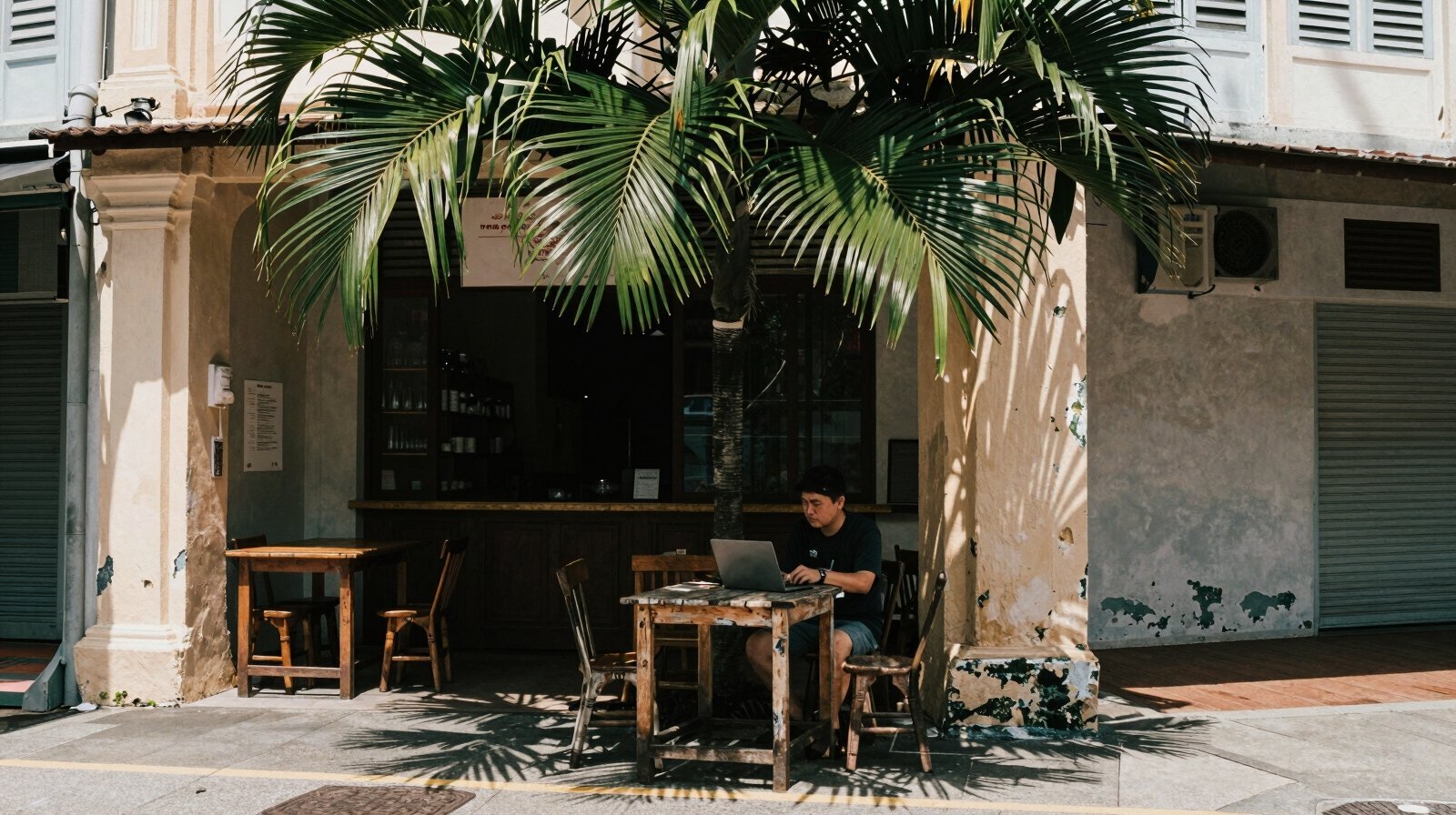
The Short-Term Visit Pass is Singapore’s most accessible option for digital nomads seeking temporary work arrangements. Upon arrival, you’ll receive up to 90 days, allowing you to experience the city while working remotely.
There are several short-term benefits, including no application process beyond standard entry requirements and immediate approval at immigration.
However, be aware of remote work challenges—technically, you’re entering as a tourist and aren’t authorized for local employment or client meetings.
For maximum flexibility, it’s best not to mention your remote work intentions to immigration officers. Instead, state that tourism is your purpose while maintaining your existing international clients and income sources.
Employment Pass vs. Digital Nomad Lifestyle

For those considering longer-term arrangements in Singapore, Employment Passes present a stark contrast to the digital nomad lifestyle.
EP holders are tied to specific local employers and positions, while nomads enjoy employment flexibility. This visa requires company sponsorship, minimum salary thresholds, and professional qualifications, making your status dependent on maintaining a particular job.
On the other hand, the digital nomad approach offers greater lifestyle adaptability. You have the freedom to change clients, projects, or even countries when opportunities arise.
While EPs provide stability and benefits, they come at the cost of the mobility and independence that define nomadic work.
Ultimately, your choice should reflect your priorities: security or freedom.
EntrePass for Entrepreneurial Nomads

Digital nomads with entrepreneurial ambitions may find Singapore’s EntrePass a compelling alternative to traditional visa options. This pass is designed specifically for innovators eager to establish business ventures in Singapore’s vibrant economy.
The EntrePass comes with several notable benefits. It has an initial validity of 2026 with renewable extensions of 2026. It also grants access to Singapore’s robust startup ecosystem and various funding opportunities.
Unlike the Employment Pass, there are no minimum salary requirements, and holders can bring immediate family members as dependents.
To apply, you’ll need to submit a comprehensive business plan and demonstrate innovative potential. Additionally, securing endorsement from a recognized organization is essential.
Before applying, ensure your company is registered with ACRA.
Alternative Visa Paths and Regional Competitors
While Singapore’s EntrePass presents an appealing option for entrepreneurial digital nomads, there are several alternative visa pathways for those desiring flexibility in their remote work arrangements.
One such option is the Long Term Visit Pass, ideal for individuals with family connections to Singaporean citizens or permanent residents.
In addition, regional competitors like Thailand’s Smart Visa, Malaysia’s DE Rantau, and Indonesia’s Digital Nomad Visa offer attractive alternatives.
These visas often provide longer stays and impose lower financial requirements compared to Singapore. Furthermore, these neighboring countries boast established digital nomad communities and a lower cost of living.
As immigration policies can change quickly across Southeast Asia, it’s essential to stay updated on the latest requirements.
Frequently Asked Questions
Before applying for your Singapore stay as a digital nomad, you must address several practical concerns.
Common questions include visa duration limits, income requirements, and processing timeframes.
Additionally, remote workers often inquire about multiple entry possibilities and potential tax obligations.
Understanding these specifics will help you prepare effectively and avoid any unwelcome surprises during your time in Singapore.
Visa Duration Limits
When exploring Singapore’s digital nomad visa options, understanding the duration limits is critical for your planning.
Most digital nomad arrangements in Singapore follow specific timeframes, with varied extension possibilities depending on your visa type.
Standard tourist visas typically allow stays of 30 to 90 days, but they’ve limited extension options. The Work Holiday Pass offers up to 6 months without the possibility for extensions.
The Employment Pass requires employer sponsorship and permits stays of up to 2 years.
For those seeking the longest duration, the Overseas Networks & Expertise Pass provides a stay of up to 5 years with straightforward application requirements.
Always check current regulations, as visa policies frequently change.
Proof Of Income
Understanding visa durations is important, but meeting Singapore’s financial requirements is a common concern for digital nomads. To ensure you can support yourself during your stay, you’ll need to provide proof of income.
The table below outlines the income requirements and accepted proof types for various visa types:
| Visa Type | Required Income | Accepted Proof Types |
|---|---|---|
| Tourist | No minimum | Bank statements |
| Work Pass | S$3,000+ | Employment contracts |
| EntrePass | S$5,000+ | Business financials |
| LTVP | S$2,500+ | Income tax returns |
Singapore authorities accept digital proof types, but remember that documents must be translated into English and notarized. Recent bank statements, covering the last 3-6 months, usually meet the income verification requirements for most visa applications.
Application Processing Time
Application processing times often cause anxiety for digital nomads planning their Singapore adventure. While the government aims for efficiency, actual timelines can vary based on several factors affecting your visa application.
Standard processing typically takes 3-4 weeks for most digital nomad visa applications. However, during peak tourist seasons, processing delays can extend up to 6 weeks.
Incomplete documentation is the #1 reason for extended application timelines. To avoid delays, ensure that all required documents are submitted correctly.
For urgent cases, expedited processing options are available but may incur additional fees.
To stay informed, check your application status online through the official immigration portal instead of making multiple inquiries.
Multiple Entry Rules
Digital nomads often inquire about Singapore’s multiple entry provisions, as these rules significantly affect travel flexibility.
The Work Holiday Pass doesn’t automatically provide multiple entry benefits. If you leave the country, you must apply for re-entry.
In contrast, the Long-Term Visit Pass offers better flexibility. However, visa application challenges may arise if your documentation isn’t perfect.
For those seeking maximum mobility, the Employment Pass offers the most robust multiple entry privileges.
Always check the latest requirements before planning regional side trips. Maintaining proper entry status can save significant headaches when establishing your Southeast Asian hub in Singapore.
Local Tax Implications
While visa entry privileges determine your physical access to Singapore, understanding the tax implications will shape your financial experience as a digital nomad.
Singapore operates on a territorial taxation system, where your tax residency status is influenced by your physical presence in the country. You are considered a tax resident if you stay 183 or more days in a calendar year. Non-residents will pay between 15% and 22% on income sourced from Singapore only.
It’s important to note that your home country’s income tax obligations may still apply, regardless of your location.
Additionally, Singapore has tax treaties with over 80 countries to prevent double taxation, which can be beneficial for managing your overall tax liability while living and working in Singapore.
Summary
You’ve now explored Singapore’s visa options for digital nomads in 2026. While there’s no dedicated digital nomad visa yet, you can navigate the existing framework through the Short-Term Visit Pass, Employment Pass, or EntrePass.
Consider your work needs, duration of stay, and entrepreneurial goals when choosing the best option for you. Singapore’s strategic location makes it worth the visa complexity for many remote workers.