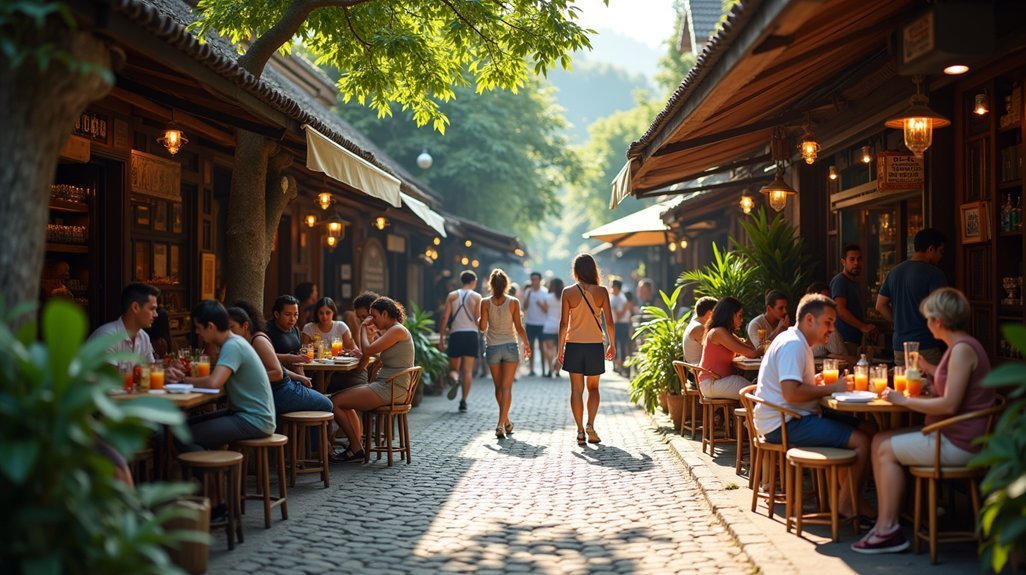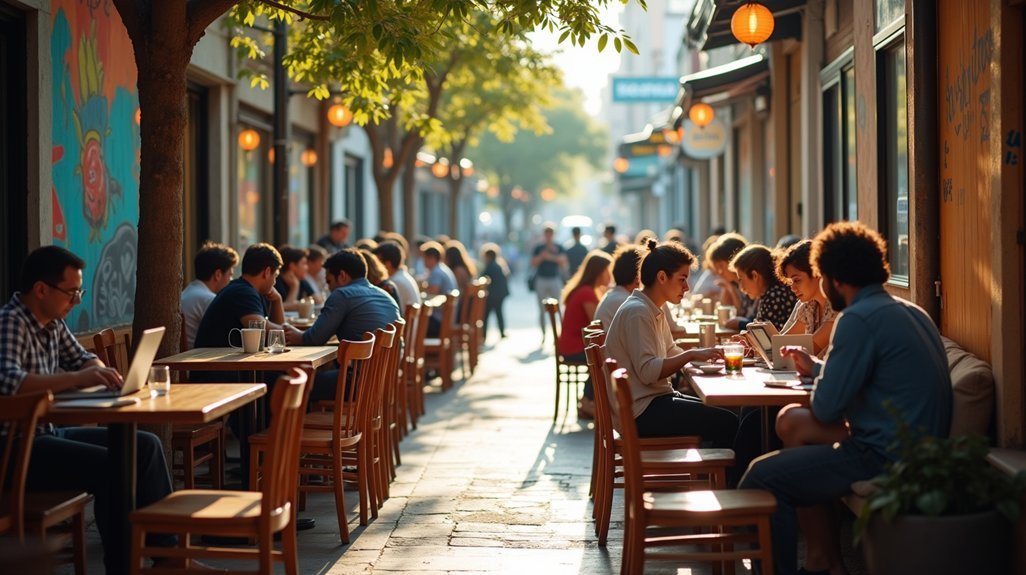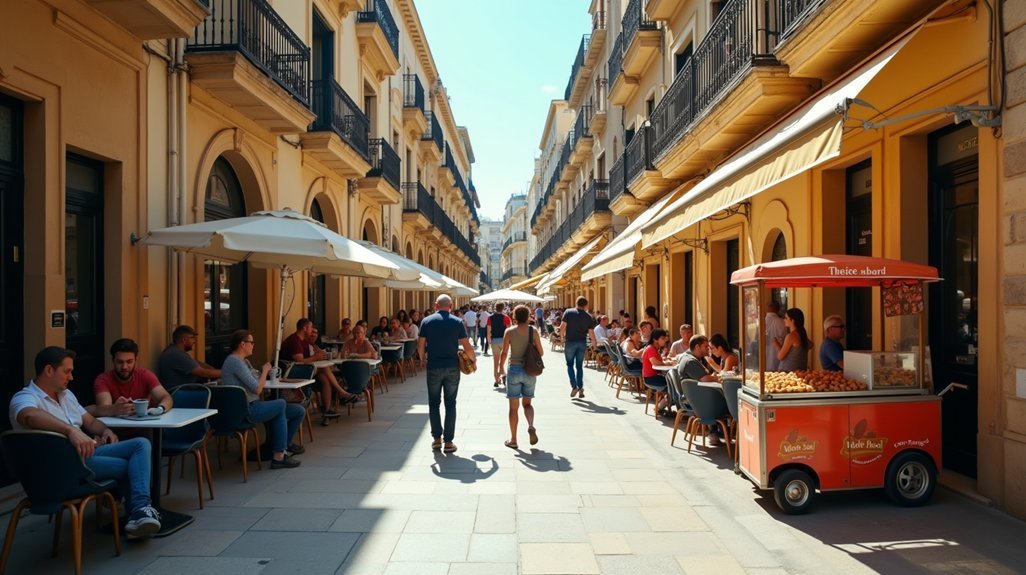
Digital nomad communities are thriving in mid-sized cities like Medellin, Chiang Mai, and Porto. These locations offer affordable living and robust infrastructure, making them ideal for remote workers.
In Thailand and Vietnam, you’ll find established hubs with coworking spaces available for just $100/month. Meanwhile, Latin American hotspots allow for cultural immersion while keeping you in North American time zones.
European communities in Portugal, Malta, and Croatia provide a Mediterranean lifestyle, complete with visa programs tailored for remote workers. The right community can transform your experience from feeling isolated to feeling inspired, connecting you with like-minded professionals from around the globe.
Key Takeaways
- Nomad List connects over 100,000 digital nomads globally through Slack channels. It offers city rankings and meetup opportunities, helping members find their ideal destinations.
- WiFi Tribe organizes destination-hopping “chapters” where 12-25 members live together in different countries for a month. This communal living experience fosters friendships and collaboration among travelers.
- NomadX provides a platform for finding verified housing with strong WiFi, specifically designed for remote workers. It ensures that digital nomads have access to the amenities they need to stay productive.
- Couchsurfing connects travelers with locals who offer free accommodation. This creates opportunities for cultural immersion and genuine connections, enriching the travel experience.
- Outsite combines coworking and coliving spaces in over 30 global destinations. With membership benefits and built-in communities, it’s an excellent choice for those looking to balance work and travel.
The Rise of Mid-Sized Cities as Digital Nomad Havens
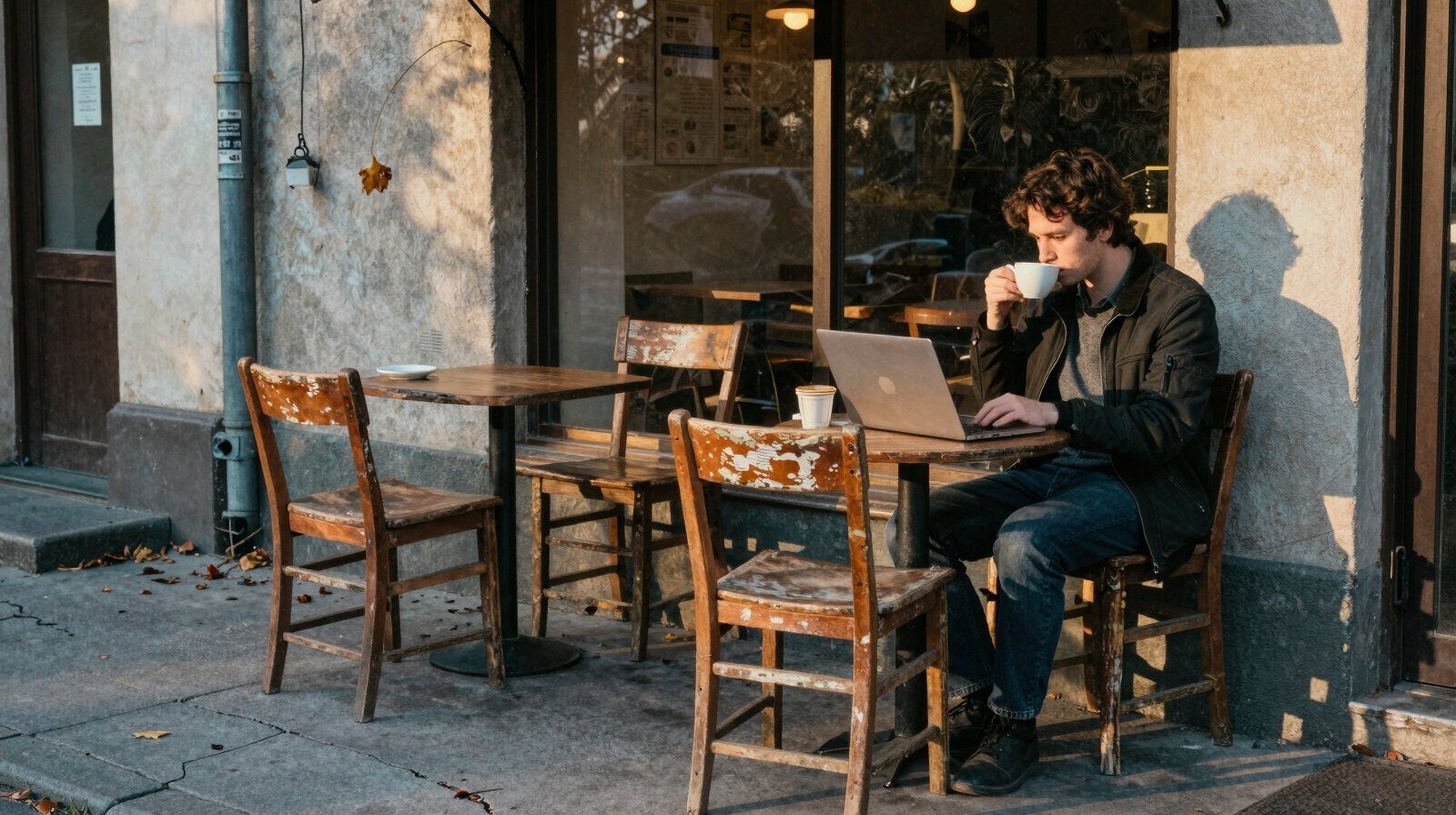
While major metropolitan hubs like London and Tokyo once dominated digital nomad wishlists, I’ve noticed a significant shift toward mid-sized cities in recent years.
Places like Medellin, Chiang Mai, and Porto offer the perfect balance – robust infrastructure without the overwhelming pace and costs of larger destinations. In fact, many digital nomads are now exploring options in Hawaii’s islands, particularly Oʻahu, which boasts a strong community presence and vibrant coworking spaces.
These mid-sized cities typically feature excellent remote workspaces with reliable internet, vibrant expat communities, and more authentic cultural experiences.
You’ll find your money stretches further while enjoying shorter commutes and less crowded cafés.
In these “Goldilocks zones,” I’ve personally found both the amenities I need and the connections I crave.
As we move through 2026, the appeal of these cities continues to grow for digital nomads.
Established Asian Hubs: Thailand and Vietnam’s Nomad Ecosystems
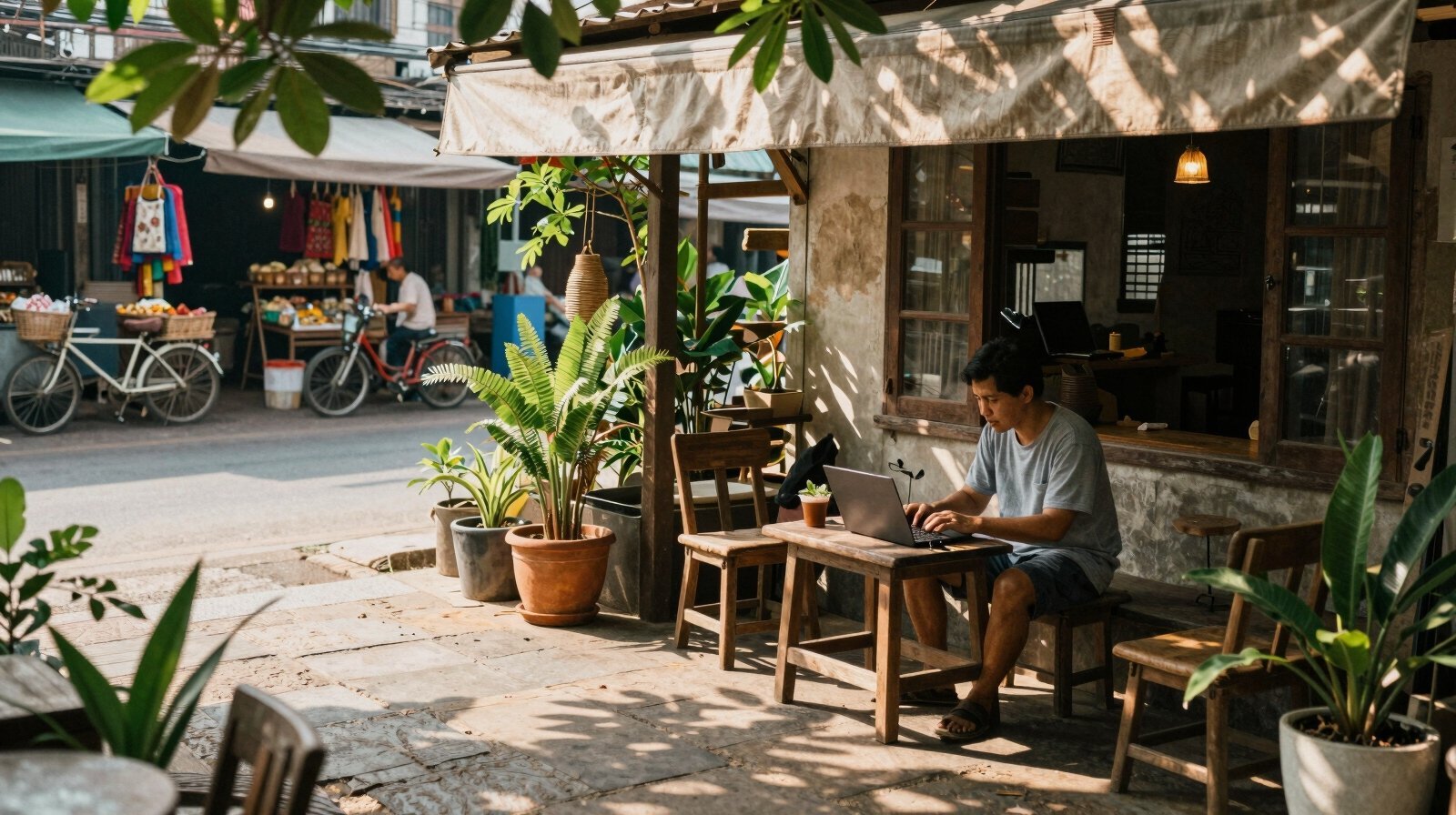
Southeast Asia has long been a magnet for backpackers, but Thailand and Vietnam have transformed into thriving ecosystems for digital nomads. These countries offer a unique blend of affordability and infrastructure that caters to remote workers.
I’ve spent months working from Chiang Mai and Ho Chi Minh City, where co-working spaces provide reliable internet and foster a sense of community. For around $100 monthly, you gain 24/7 access, networking events, and often free coffee.
What keeps me coming back is the perfect balance of productivity and pleasure. After a day’s work, I can enjoy $1 street food or treat myself to $10 restaurant meals. Coworking spaces in Southeast Asia are designed to enhance productivity with amenities like ergonomic furniture and high-speed internet, ensuring a seamless work experience.
Local cuisine seamlessly integrates into my daily routine, becoming more than just a tourist experience.
Latin American Hotspots: From Mexico City to Buenos Aires
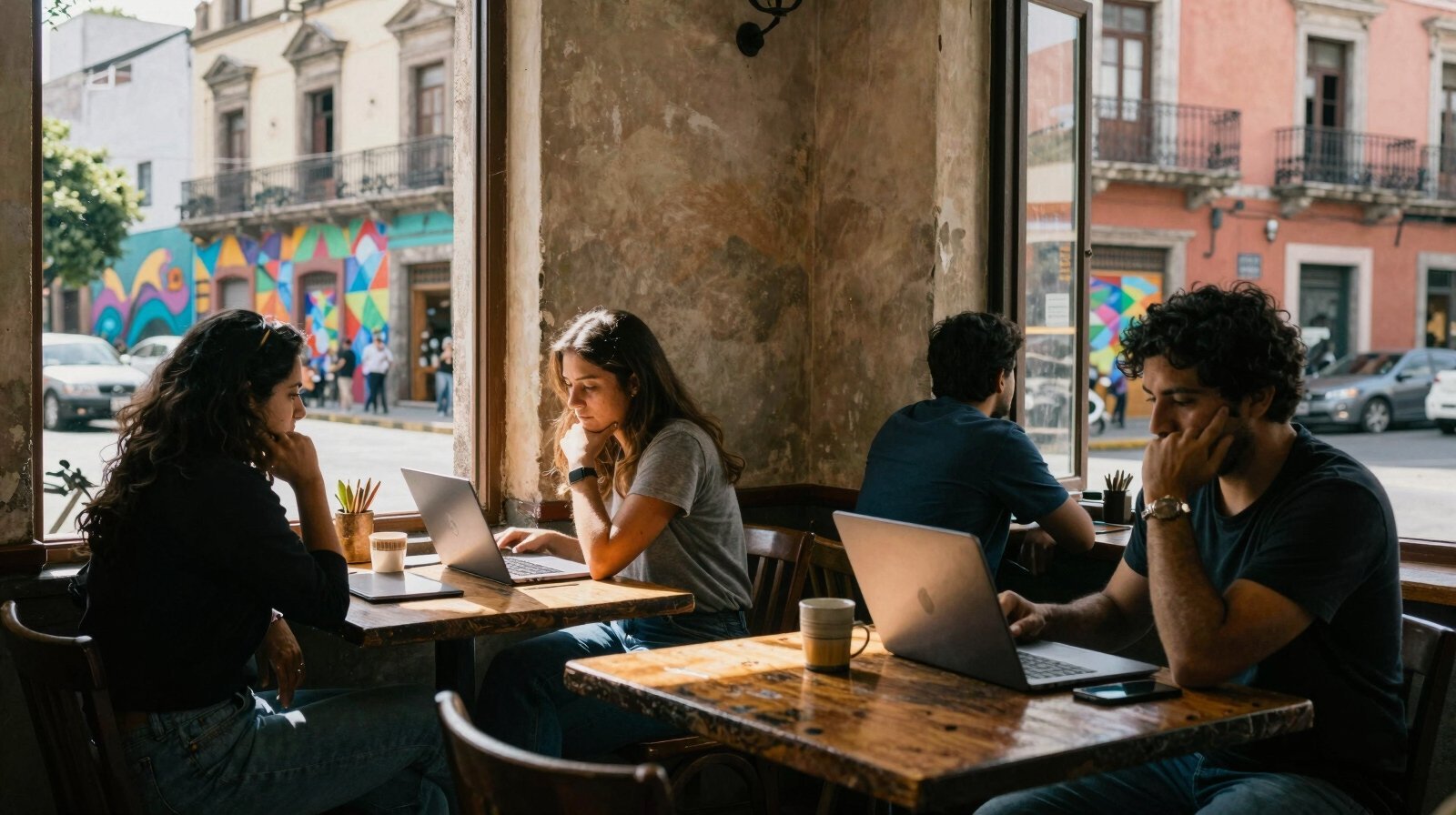
Latin America has quickly risen to rival Asia as a digital nomad destination. Over the past few months, I’ve worked across the region and discovered vibrant communities at every stop.
Mexico City offers incredible cultural immersion. Neighborhoods like Roma and Condesa are packed with coworking spaces and fellow nomads.
Medellín has transformed into Colombia’s innovation hub.
Meanwhile, Costa Rica’s Pacific coast perfectly combines work and paradise.
Further south, Buenos Aires showcases European charm at Latin American prices.
The continent’s shared time zones with North America make real-time collaboration easier than in Asia—a practical advantage I’ve come to appreciate when meeting deadlines. Additionally, many digital nomads find that reliable high-speed internet is readily available, enhancing productivity in various locations throughout the region.
European Nomad Communities: Portugal, Malta, and Beyond
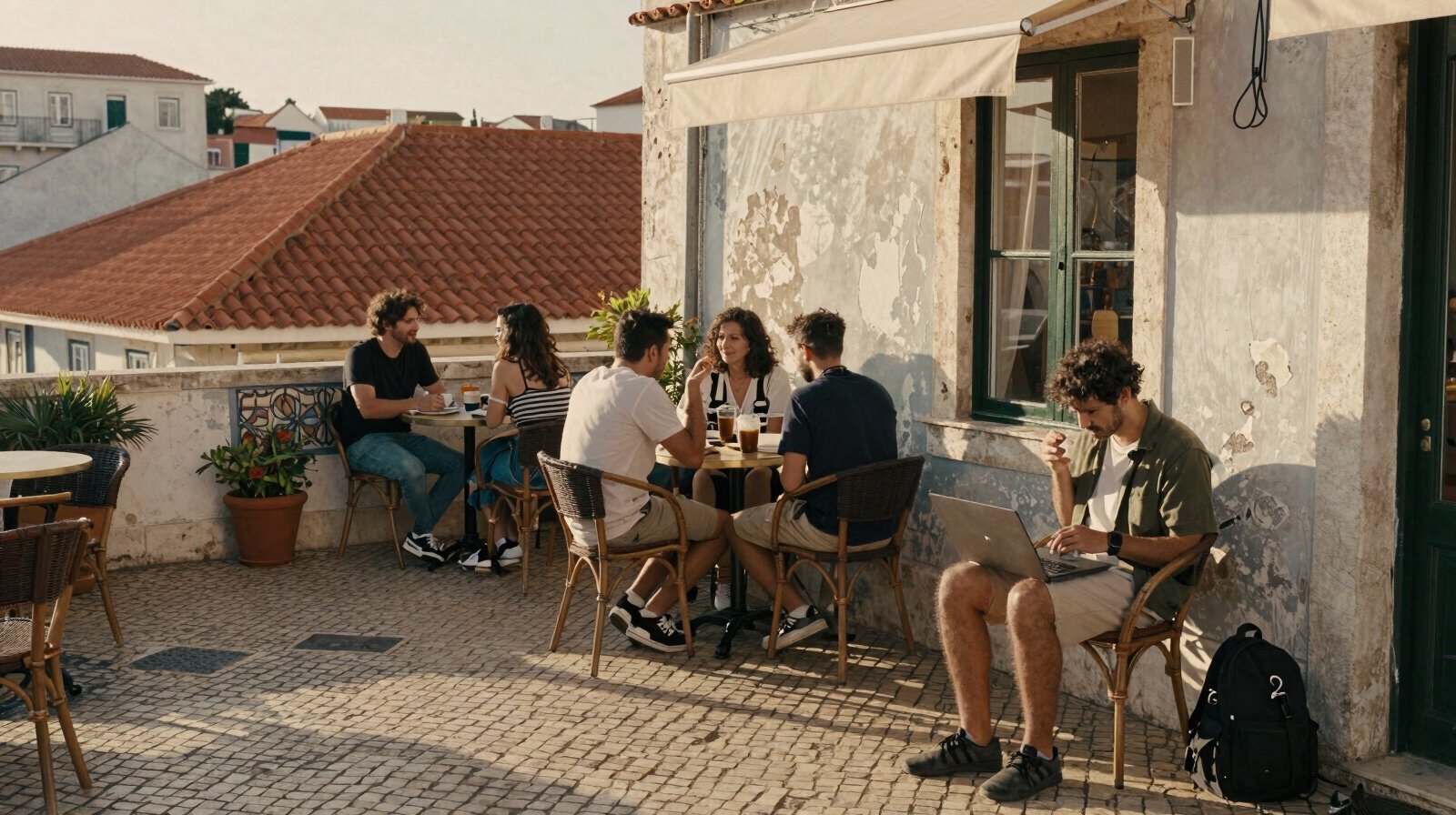
Despite Asia and Latin America dominating nomad conversations, Europe has quietly developed some of the most welcoming digital nomad ecosystems.
Portugal’s capital, Lisbon, stands out with coworking spaces like Second Home and Outsite, which offer stunning environments to connect with fellow professionals.
Malta’s blend of Mediterranean lifestyle and English proficiency makes integration seamless.
The island’s rich culture provides the perfect backdrop for focused work and exploration.
Don’t overlook Estonia’s e-Residency program, Berlin’s thriving startup scene, or Croatia’s coastal havens.
Each offers unique benefits, from tax advantages to year-round communities, that might make your European nomad experience truly transformative.
Quality-of-Life Destinations for Long-Term Remote Workers

While Europe offers fantastic short-term options for nomads, many remote workers eventually seek places where they can settle for months or even years.
After three years of constant movement, I’ve found that quality-of-life destinations like Medellín, Colombia, and Da Nang, Vietnam, provide the perfect balance for sustainable travel without breaking the bank.
What makes these spots ideal for remote work life? They boast reliable internet, affordable housing, vibrant expat communities, and a lower cost of living that stretches your savings.
Additionally, longer stays facilitate deeper cultural connections and reduce the environmental impact from frequent flights.
Navigating Digital Nomad Visas and Community Infrastructure
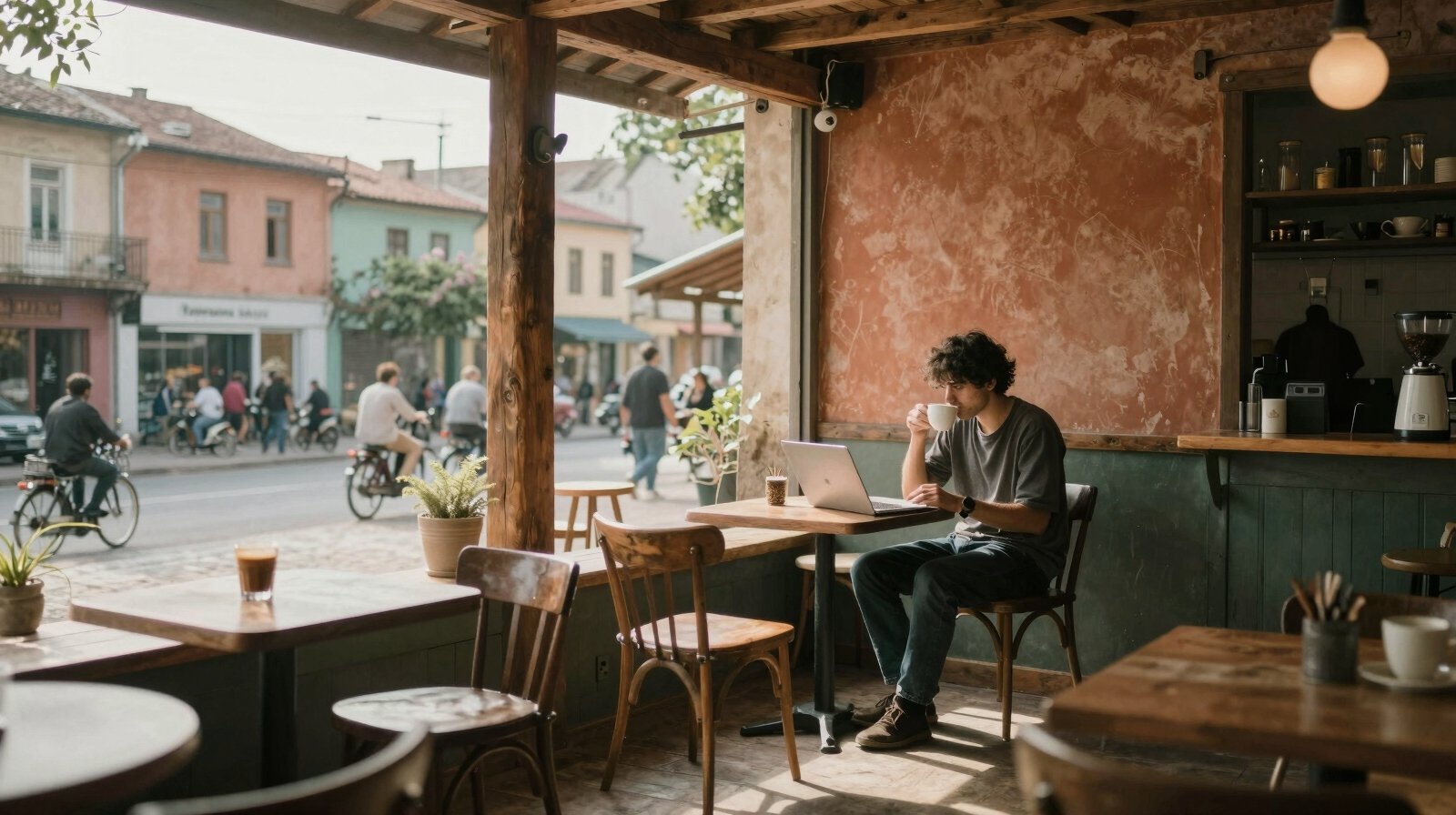
After moving between six digital nomad hotspots in the past 2026, I’ve learned that visa requirements vary dramatically.
For instance, Portugal offers a straightforward process, while Thailand presents complex documentation needs.
Countries with established nomad communities typically provide better infrastructure. This includes reliable internet and coworking spaces, which become natural networking hubs.
Building meaningful connections happens faster when you engage with the community.
Participating in events, joining nomad-specific Facebook groups before arriving, and initiating meetups yourself can significantly enhance your experience.
Visa Requirements Compared
When I first ventured into the digital nomad lifestyle, visa requirements felt like a maze with no clear exit.
After navigating various visa types and application processes across continents, I’ve put together this comparison to help you avoid some common headaches.
Portugal’s D7 Visa requires proof of income at €705 per month and has a straightforward application process.
Estonia’s Digital Nomad Visa offers an online application but requires a monthly income of €3,504.
Costa Rica’s Rentista Visa doesn’t require proof of remote work, but applicants must show a guaranteed income of $2,500 per month.
Thailand’s SMART Visa is designed for tech professionals only.
While the application process can be complex, it allows for an extended stay of up to four years.
Lastly, Mexico’s Temporary Resident Visa is both affordable at $45 and has minimal income requirements.
Building Social Connections
Despite years of traveling solo, I’ve found that building genuine connections remains the lifeblood of a sustainable digital nomad lifestyle.
When I first arrived in Chiang Mai, I felt lost until I discovered weekly community events at coworking spaces. There, I met fellow remote workers facing similar challenges.
Don’t underestimate structured networking opportunities like skill-sharing workshops or coffee meetups. They’ve transformed my experience from isolated to integrated in every new destination.
The strongest communities offer both online forums to plan your arrival and in-person gatherings that create lasting friendships.
These connections often become your professional network, emergency contacts, and travel companions.
Frequently Asked Questions
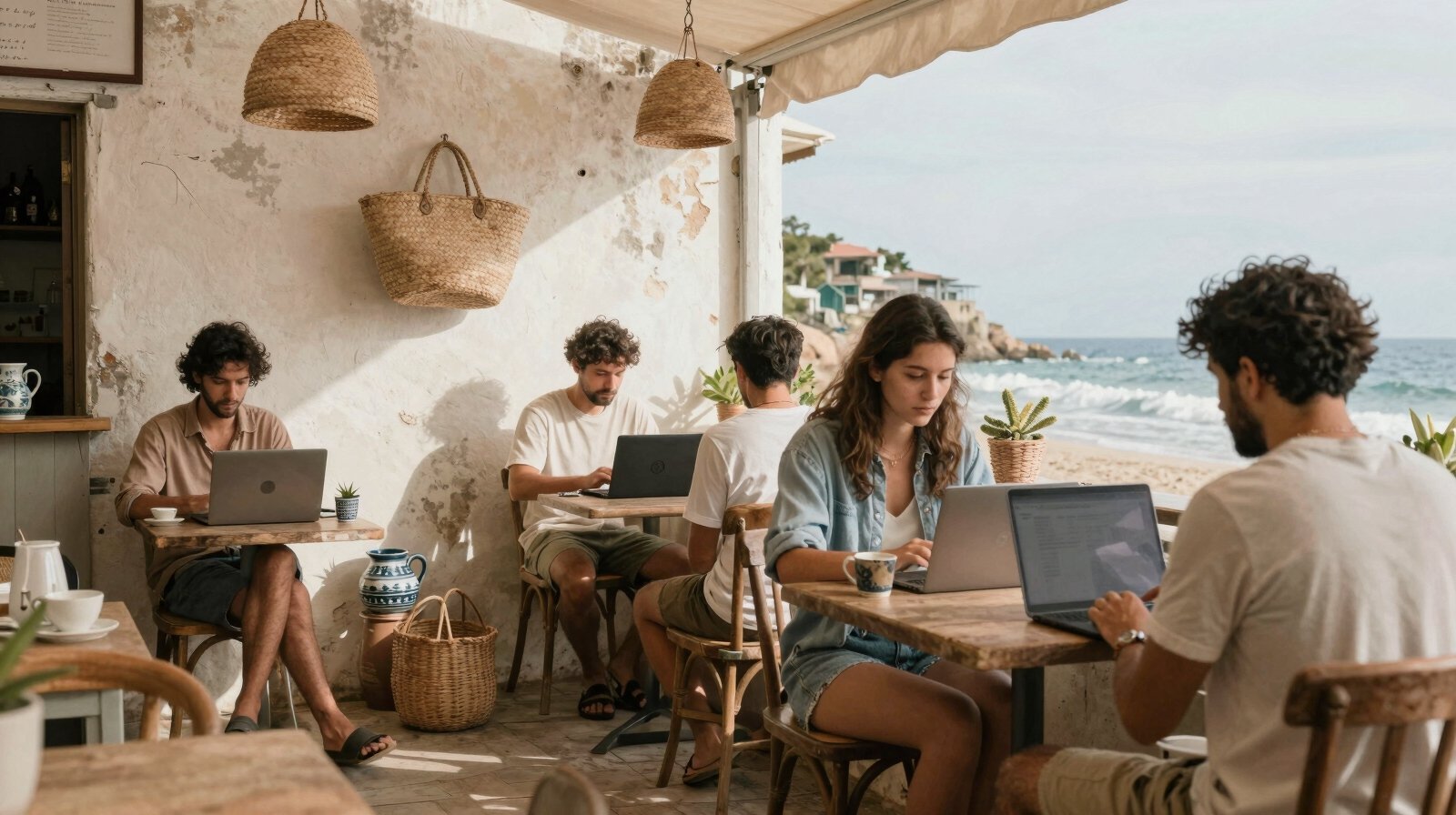
I’m often asked about the ins and outs of nomad communities, particularly how to find them online and address privacy concerns.
Let me tackle some of your most common questions regarding membership value and skill-sharing opportunities.
Additionally, I’ll explore methods for meeting fellow location-independent workers.
These FAQs reflect my own journey connecting with nomads worldwide while maintaining personal boundaries in our increasingly connected community.
Finding Communities Online
How do digital nomads find their community in the vast online landscape? After years of networking online, I’ve realized that virtual communities are essential for nomad life. They offer support, friendship, and professional connections, especially when you’re far from home.
There are numerous platforms to explore. Facebook Groups like “Digital Nomads Around the World” provide a space for sharing experiences.
Reddit’s r/digitalnomad community is great for advice and organizing meetups. In addition, Slack channels cater specifically to remote workers.
You can also join virtual meetups through platforms like Meetup.com. LinkedIn groups connect professionals who travel while working.
Most of these communities are welcoming to newcomers and offer valuable resources for every stage of your journey.
Membership Worth It?
While browsing online spaces offers great value, many nomads wonder if paid memberships for digital nomad communities are worth it.
In my experience, the benefits of membership often justify the costs, especially when they include workspace access, exclusive events, and verified connections. The most valuable memberships provide tangible resources that go beyond simple networking.
Before committing, I recommend conducting a cost analysis based on your specific needs. Consider the price in relation to how often you’ll use coworking spaces, attend events, or take advantage of member discounts.
Some communities offer trial periods—these can help you assess the culture fit before making a commitment.
The right membership can significantly enhance your nomad experience, but it’s essential that it aligns with your travel patterns.
Skill Sharing Expectations
Many nomads inquire about skill sharing expectations when they join digital communities. Most groups encourage members to contribute their expertise, but the requirements can vary significantly.
In my experience, the best communities promote organic collaboration rather than enforce mandatory exchanges.
Most platforms utilize dedicated skill sharing tools to organize workshops effectively. Members should expect to both give and receive knowledge regularly.
Collaborative projects often arise naturally among members, fostering a sense of teamwork.
Technical skills, such as coding and design, are highly valued in these communities. However, soft skills are equally important and contribute to the overall dynamic.
There’s no need to be an expert; even beginners can share their unique perspectives and insights.
Meeting Fellow Nomads
Beyond skill sharing, the most common question I hear is, “How do I meet other nomads?”
The social aspect of nomad life offers unique opportunities and challenges that differ from traditional friendships.
My go-to approach is co-working spaces. These are natural gathering points where connections happen organically over shared tables and coffee breaks. I’ve formed some of my closest nomad friendships this way.
Dedicated networking events, such as Nomad Coffee Club or city-specific meetups listed on platforms like Meetup.com, are invaluable. Many hostels now organize digital nomad nights specifically to foster connections.
Don’t overthink it—most nomads are just as eager to connect as you are.
Privacy Concerns Addressed
Since embracing the nomadic lifestyle five years ago, I’ve faced persistent inquiries regarding privacy and security.
Most digital nomad communities recognize these concerns and have established strict guidelines to safeguard their members.
Before joining any community, it’s essential to review their data security protocols.
Additionally, be sure to check the privacy settings for location-sharing features.
Look for platforms that have verification processes for new members.
It’s also crucial to understand how your personal information will be visible to others in the community.
Lastly, confirm whether the community allows you to control who can see your travel plans.
This will help you maintain a level of privacy that suits your needs.
Summary
Finding your digital nomad community isn’t just about location—it’s about discovering where you truly belong. The right community can transform feelings of isolation into inspiration.
It offers both professional growth and genuine connection. Whether you choose bustling Bangkok or laid-back Lisbon, remember that community is what turns wandering into a meaningful adventure.
Your perfect nomad tribe is out there waiting—go find them!